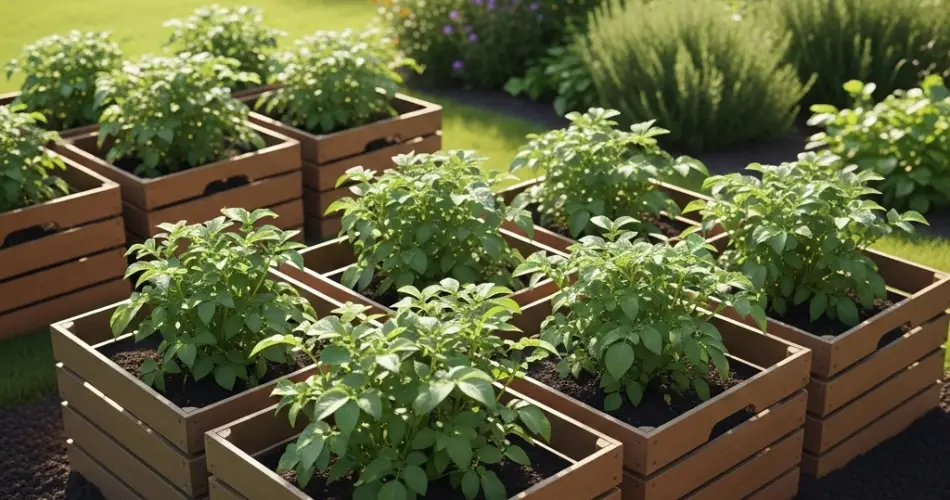
Potatoes are one of the most rewarding crops to grow at home. With just a few seed potatoes and the right setup, you can produce a generous harvest in a small space. One of the most efficient and space-saving methods is crate tower gardening—a vertical growing technique that allows you to stack crates and maximize yield in even the smallest backyard.
This method provides excellent drainage, easy access for harvesting, and full control over soil quality. Whether you’re working with a patio, deck, or narrow garden strip, a potato crate tower is a fantastic way to grow your own food.
Why Grow Potatoes in Crate Towers?
Traditional in-ground potato planting requires a lot of space and effort, particularly for hilling (adding soil as the plant grows). Crate towers eliminate the need for digging and offer multiple advantages:
-
Space-saving vertical design.
-
Improved drainage, reducing the risk of rot.
-
Easier harvesting by removing individual layers.
-
Custom soil mix ideal for tuber development.
-
Mobility, allowing repositioning for sunlight or protection from rain.
This method is ideal for backyard gardeners, beginners, and those with limited garden beds or poor-quality soil.
Building a Potato Crate Tower
You’ll need 3 to 4 stackable wooden crates. Each crate should be approximately 30–40 cm high and strong enough to hold soil and plants. Recycled fruit crates, slatted wooden boxes, or DIY wooden frames work well. Ensure each crate has good drainage through open bottoms or drilled holes.
To assemble your tower:
-
Place the first crate on a stable surface—ideally gravel, bricks, or directly on soil.
-
As the plants grow, stack additional crates on top and add more soil.
Line each crate with landscape fabric, burlap, or old sacks to hold soil while still allowing excess water to drain.
Preparing the Soil
Potatoes thrive in loose, nutrient-rich, well-draining soil. A suitable mix includes:
-
1 part garden soil
-
1 part compost or aged manure
-
1 part coco peat, rice hulls, or sand
This light, fluffy mix supports root expansion and reduces compaction, which is essential for forming large, healthy tubers. You can also add a handful of wood ash to boost potassium, which promotes tuber formation.
Avoid using heavy clay soil or fresh manure, as these can lead to disease and poor growth.
Choosing Seed Potatoes
Use certified disease-free seed potatoes, which you can find at gardening centers or online. You can plant whole small potatoes or cut larger ones into chunks with at least one or two eyes (sprouting points). Let the cut surfaces dry for a day before planting to prevent rot.
Early, mid-season, or late varieties can all be grown in towers, though early varieties give quicker harvests and are ideal for limited space.
Planting in Crates
Fill the first crate with about 15–20 cm of your soil mix. Place 3–4 seed potatoes, evenly spaced, with the eyes facing upward. Cover them with another 10 cm of soil and water gently.
As the potato plants grow 15–20 cm tall, stack the next crate and fill around the stems with more soil, leaving the top few leaves exposed. Repeat this process as the plants continue to grow, creating a tower of soil and foliage.
This mimics traditional “hilling” but in a vertical format, encouraging the plant to produce more tubers along the buried stem.
Sunlight, Watering, and Fertilizing
Potatoes need at least 6 hours of sunlight daily. Place your tower in a bright location with good airflow. Water consistently to keep the soil moist but not waterlogged. Deep watering encourages roots and tubers to grow downward.
Feed your plants every 2–3 weeks with an organic fertilizer such as compost tea, fish emulsion, or a balanced organic blend. Avoid high-nitrogen feeds, which may lead to excessive leafy growth at the expense of tubers.
Pest and Disease Control
Container-grown potatoes are less prone to pests, but still watch for:
-
Aphids on leaves: Spray with neem oil or soapy water.
-
Fungal blight: Ensure good air circulation and avoid wetting leaves when watering.
-
Potato beetles: Handpick if spotted.
Rotate crops each season and never reuse the same soil for another round of potatoes without refreshing it.
Harvesting Potatoes
Potatoes are ready for harvest once the foliage turns yellow and begins to die back, typically 10–12 weeks for early varieties and up to 16 weeks for main crops. To harvest:
-
Remove the top crate.
-
Gently sift through the soil to find mature potatoes.
-
Work your way down the stack crate by crate.
You can harvest all at once or pick a few from each layer as needed, especially for baby potatoes.
Brush off excess soil and store potatoes in a cool, dark, well-ventilated area. Avoid washing before storage, as moisture can lead to decay.
Crate tower gardening is a practical and productive way to grow potatoes at home, even with limited space. With just a few wooden boxes and a bit of care, you can enjoy a steady supply of fresh, flavorful potatoes harvested right from your backyard.


