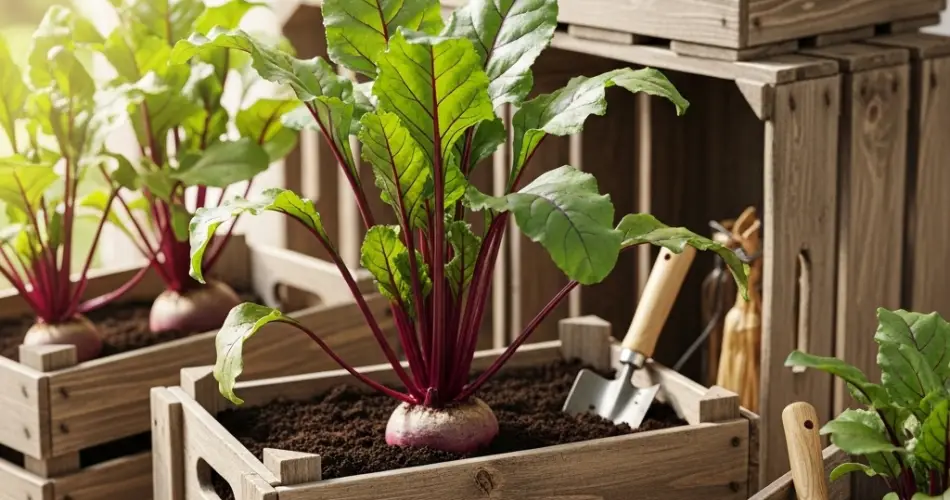
Beets are one of the most rewarding root vegetables you can grow at home, offering both delicious roots and nutrient-rich greens. Many gardeners believe you need a large raised bed or a traditional plot to produce healthy beets, but that’s not the case. Wooden crates provide an excellent alternative, giving you control over soil quality, drainage, and placement, while adding a rustic charm to your garden space.
Whether you live in an apartment with a sunny balcony or have a small backyard, crate gardening is a practical, space-saving way to cultivate beets from seed to harvest. This guide covers everything you need to know—selecting your container, preparing the soil, planting, and caring for your crop until it’s ready to pull from the soil.
Why Choose Crates for Beets?
Growing beets in crates comes with unique benefits:
-
Soil control – You can customize the soil mix for optimal beet growth.
-
Better drainage – Crates naturally prevent waterlogging.
-
Portability – Move them to follow sunlight or protect from harsh weather.
-
Space efficiency – Ideal for small gardens, patios, and balconies.
Since beets thrive in loose, well-draining soil, crates make it easier to maintain the right growing environment compared to compact ground soil.
Selecting the Right Crate
Choose a wooden crate at least 12 inches deep so beet roots have enough room to form. The crate should be sturdy enough to hold wet soil without bending or cracking.
If the slats have wide gaps, line the inside with breathable material like burlap or landscape fabric to prevent soil loss while maintaining airflow. Avoid treated wood to prevent chemical leaching into the soil.
Soil Preparation for Beets
Beets grow best in loamy, slightly acidic to neutral soil with a pH between 6.0 and 7.0. The soil must be loose enough for roots to expand without resistance. A reliable crate mix includes:
-
2 parts compost – Boosts fertility and moisture retention.
-
1 part garden soil – Adds minerals and structure.
-
1 part coarse sand or perlite – Improves drainage and prevents waterlogging.
Before planting, lightly loosen the soil with your hands or a small trowel to ensure it’s fluffy and free from large clumps or stones.
Planting Beets in Crates
Beets grow best when seeded directly into the crate rather than transplanted.
-
Sow seeds about ½ inch deep.
-
Space them 2–3 inches apart for proper root development.
-
Cover lightly with soil and water gently.
Since each beet seed is actually a cluster, you’ll likely get multiple seedlings from one spot. Thin them when they reach 2–3 inches tall, leaving only the strongest plant per cluster.
Watering and Moisture Management
Consistent moisture is key for tender, flavorful beets. Keep the soil evenly moist but never soggy.
-
Water when the top inch of soil feels dry.
-
Avoid completely drying out the soil, as it can cause woody roots.
-
Increase watering frequency in hot, dry weather.
A layer of straw, dried leaves, or grass clippings can help retain moisture and regulate soil temperature.
Sunlight Needs
Beets require at least 6 hours of direct sunlight each day. Full sun encourages sweet, well-developed roots.
If your area experiences intense summer heat, a bit of afternoon shade can help prevent heat stress. Since crates are portable, you can easily reposition them to achieve the right balance of sun and shade.
Fertilizing Crate-Grown Beets
Because crates hold a limited amount of soil, nutrients can deplete quickly. Start with compost-rich soil and supplement during the growing season.
-
Use a balanced, low-nitrogen fertilizer every 3–4 weeks to encourage root development.
-
Avoid excessive nitrogen, which promotes leafy growth at the expense of roots.
-
Organic options like compost tea or worm castings are also effective.
Managing Pests and Diseases
While crates help reduce pest pressure, some issues can still occur:
-
Leaf miners – Remove affected leaves promptly.
-
Aphids – Spray with insecticidal soap or rinse with water.
-
Fungal problems – Water at the base and ensure adequate airflow.
Rotating crops each season helps prevent recurring soil-borne issues.
Harvesting Your Beets
Most beet varieties mature in 50–70 days, depending on the variety and growing conditions. The ideal root size is 1.5–3 inches in diameter.
To harvest:
-
Loosen the soil around the base of the plant.
-
Gently pull the beet from the soil, holding it by the crown.
You can also harvest young greens for salads while leaving the root to mature.
Post-Harvest Crate Care
After harvesting, remove any remaining plant material and compost it. Replenish the crate’s soil with fresh compost before planting your next crop. Check the crate’s condition, repair any damage, and replace lining material if needed.
Final Thoughts
Crate gardening is a versatile and practical method for growing beets, especially for gardeners with limited space. It allows you to control soil quality, reduce pests, and adjust sunlight exposure—all while adding rustic charm to your outdoor space. With consistent watering, nutrient management, and proper planting techniques, you can enjoy a steady harvest of sweet, earthy beets and tender greens without ever needing a raised bed.
Whether you’re gardening on a balcony, patio, or small backyard, crates prove that great harvests can happen anywhere.


