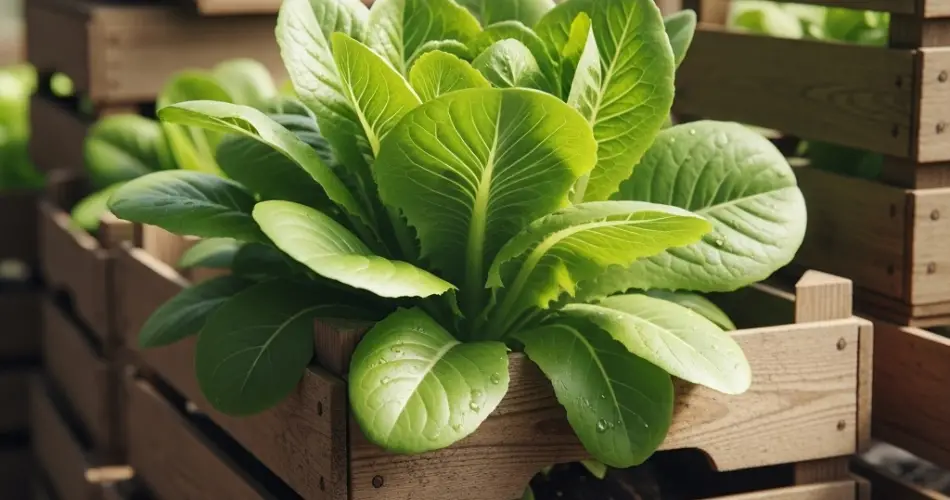
Lettuce is a cool-season crop that’s ideal for small-space gardening, and with crate gardening, you don’t need traditional garden beds to enjoy fresh, crisp leaves. Growing lettuce in crates offers flexibility, portability, and excellent drainage. It’s a perfect solution for urban dwellers or anyone wanting to maximize limited space.
Why Choose Crate Gardening?
Crates are lightweight, stackable, and easy to move. They’re also often available for free or at a low cost from local markets or grocery stores. Most importantly, they provide excellent drainage, which is essential for lettuce, a plant that dislikes soggy roots.
Using crates also allows you to control the growing medium, reducing weed problems and soil-borne diseases. You can grow lettuce on balconies, patios, rooftops, or even window sills using this method.
Choosing the Right Crate
Select a sturdy plastic or wooden crate with good depth—at least 6 to 8 inches. Lettuce has shallow roots, so a deep container isn’t necessary, but there should be enough room for root development and moisture retention.
If using a wooden crate, ensure it’s untreated or lined with landscape fabric to avoid exposure to harmful chemicals. Drill extra drainage holes in plastic crates if needed.
Lining the Crate
To prevent soil from falling through the slats or holes, line your crate with breathable materials. Landscape fabric works best, but an old burlap sack or even layers of newspaper can work in a pinch. Avoid plastic linings that may trap excess moisture.
Staple or clip the lining to the inner edges of the crate, forming a snug pouch that holds the growing medium while allowing water to drain freely.
The Ideal Growing Medium
Lettuce grows best in a lightweight, well-draining soil mix. A good formula includes:
-
1 part compost or worm castings
-
1 part peat moss or coconut coir
-
1 part perlite or coarse sand
This mix ensures good moisture retention while providing adequate drainage and nutrients.
Avoid using garden soil alone, which tends to compact in containers and lacks the necessary airflow.
Planting Lettuce in Crates
You can start lettuce from seeds or seedlings. For seeds, sow them directly into the soil, spacing them 2 inches apart for leaf varieties or 4–6 inches for head-forming types. Gently press the seeds into the surface, then cover lightly with soil.
If using seedlings, make small holes in the soil and set the plants in, firming the soil gently around each base.
Water the soil lightly after planting to help seeds or roots settle in.
Watering and Care
Lettuce needs consistent moisture, especially during warm days. The shallow soil of crates can dry out faster than ground beds, so check daily. Water when the top inch of soil feels dry.
To avoid soggy roots, ensure proper drainage by slightly elevating the crate on bricks or pot feet. This helps prevent water from pooling at the base.
Lettuce also benefits from occasional feeding. Use a diluted liquid fertilizer (like fish emulsion or compost tea) every two weeks, especially if your mix is low in nutrients.
Light and Temperature
Lettuce grows best in cool temperatures between 60–70°F (15–21°C). Too much heat can cause it to bolt (go to seed) prematurely, leading to bitter leaves.
Place your crate in a spot that gets 4 to 6 hours of sunlight daily. If you live in a hot climate, provide afternoon shade or use a shade cloth to protect the plants during the hottest part of the day.
Harvesting
One of the best parts of growing lettuce is how quickly it matures. Baby leaf lettuce can be harvested in as little as 3 weeks. Use scissors to snip the outer leaves when they reach 3–4 inches long, leaving the inner leaves to continue growing. This cut-and-come-again method allows for multiple harvests from one planting.
For head lettuce, wait until the heads feel firm and full before cutting them off at the base.
Common Problems and Solutions
-
Bolting: Happens in high temperatures. Provide shade and water consistently. Choose heat-resistant varieties if growing in warm regions.
-
Pests: Slugs, aphids, and snails can be a problem. Use neem spray, diatomaceous earth, or introduce natural predators like ladybugs.
-
Yellowing Leaves: Often due to overwatering or nutrient deficiency. Adjust watering habits and apply a balanced organic fertilizer.
Rotation and Replanting
After harvesting, refresh the crate soil by mixing in more compost and replanting. Lettuce has a short growing cycle, so you can grow successive batches throughout the season. Rotating crops within the same crate—like switching to radishes, spinach, or herbs—also helps prevent soil fatigue and pest buildup.
Crate gardening offers an efficient, space-saving way to grow fresh, healthy lettuce at home. Whether you’re on a balcony or managing a compact urban garden, these portable containers make it easy to enjoy a continuous harvest with minimal effort.
Let your crate garden thrive, and enjoy crisp, homegrown greens without needing a single patch of ground soil.


