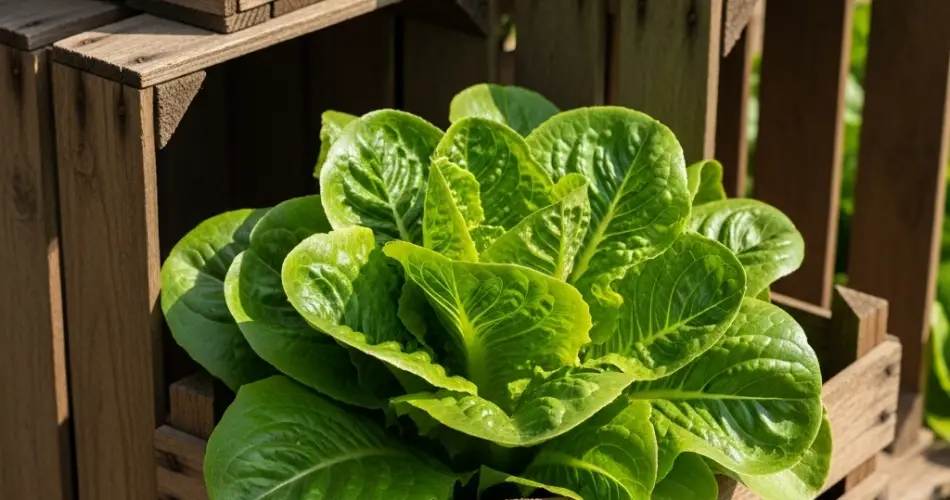
Growing your own lettuce at home doesn’t require a large garden or fancy equipment. With a simple plastic or wooden crate, a bit of soil, and a sunny corner, you can enjoy fresh, crisp lettuce leaves right from your backyard, balcony, or even a small patio. Crate cultivation is an ideal solution for urban gardeners and beginners who want to grow nutritious greens without the fuss.
Lettuce grows fast, thrives in containers, and doesn’t demand much attention. Whether you’re planting loose-leaf varieties or compact heads, this method makes lettuce cultivation easy and efficient.
Why Use a Crate?
Crates are lightweight, portable, and widely available. Unlike traditional pots, they offer a broader planting area, which allows for more plants in one container. Their slatted sides also improve airflow and drainage, reducing the risk of root rot. With a liner or newspaper layer at the bottom, crates become excellent mini-gardens.
Here’s why crates are perfect for lettuce growing:
-
Ideal for shallow-rooted crops like lettuce
-
Great for repurposing materials you may already have
-
Easy to move around to catch sunlight or avoid harsh weather
-
Suitable for both indoor and outdoor spaces
What You’ll Need
To start growing lettuce in a crate, gather the following materials:
-
A clean plastic or wooden crate (about 6–10 inches deep)
-
A breathable liner such as newspaper, landscape fabric, or old cloth
-
Potting mix or a mix of compost, garden soil, and coco peat
-
Lettuce seeds (loose-leaf, romaine, butterhead, or any preferred variety)
-
Watering can or spray bottle
-
A spot that gets at least 4 hours of sunlight daily
If your crate has wide gaps, the liner will prevent soil from spilling out while still allowing excess water to drain.
Preparing the Crate
-
Line the Crate: Place a layer of newspaper or fabric inside the crate. This lining should cover the sides and bottom, with enough holes or permeability to allow water drainage.
-
Fill with Soil: Add your potting mix until the crate is about 1–2 inches from the top. Lettuce prefers well-draining, nutrient-rich soil. A mix of equal parts compost, coco peat, and garden soil works well.
-
Moisten the Soil: Before planting, water the soil lightly to settle it and create a moist environment for germination.
Planting the Lettuce
You can either sow lettuce seeds directly into the crate or transplant young seedlings. For direct seeding:
-
Scatter seeds evenly across the soil surface for loose-leaf lettuce.
-
For head-forming varieties, space seeds 4–6 inches apart.
-
Lightly press the seeds into the soil or cover with a thin layer of soil (about 1/4 inch).
Mist the soil gently after planting to avoid dislodging the seeds. Keep the crate in a bright but shaded area until the seeds germinate, which usually takes 5–10 days depending on the variety.
If using seedlings, dig small holes in the soil and place them carefully, keeping proper spacing to allow full growth.
Daily Care Tips
Lettuce is relatively low maintenance but benefits from consistent moisture and moderate temperatures. Follow these care tips for a healthy crop:
-
Watering: Water regularly, especially in warm weather. The soil should stay moist but not soggy. Use a watering can with a fine spout or a spray bottle to avoid damaging young plants.
-
Sunlight: Lettuce prefers cool, mild temperatures. Morning sun and afternoon shade are ideal. In very hot climates, consider partial shading to prevent bolting (premature flowering).
-
Fertilizing: Feed the plants every 2–3 weeks with diluted compost tea or organic liquid fertilizer. Avoid over-fertilizing, as it can make the leaves bitter.
-
Thinning: If plants are too close together, thin them out to give each one space to grow. You can use the thinned seedlings in salads.
Harvesting
Lettuce can be harvested in two ways:
-
Cut-and-Come-Again: For loose-leaf varieties, snip the outer leaves when they’re about 4–6 inches tall, allowing the center to continue growing for future harvests.
-
Full Harvest: For head lettuces like romaine or butterhead, wait until the heads are firm and full, then cut the entire plant at the base.
Harvest early in the morning for the crispest, most flavorful leaves.
Replanting and Successive Crops
Because lettuce grows quickly—typically maturing in 30–45 days—you can reseed the crate every few weeks for a continuous supply. After each harvest, fluff the soil, add a bit of fresh compost, and sow new seeds. With successive planting, you can enjoy lettuce almost year-round, especially in cooler months.
Conclusion
Crate cultivation is a smart, sustainable way to grow lettuce in even the smallest of spaces. With just a bit of care and minimal investment, you can create a productive little garden that brings fresh, homegrown greens to your table. Whether you’re a beginner or a seasoned gardener, using crates for lettuce is a rewarding, eco-friendly gardening solution.


