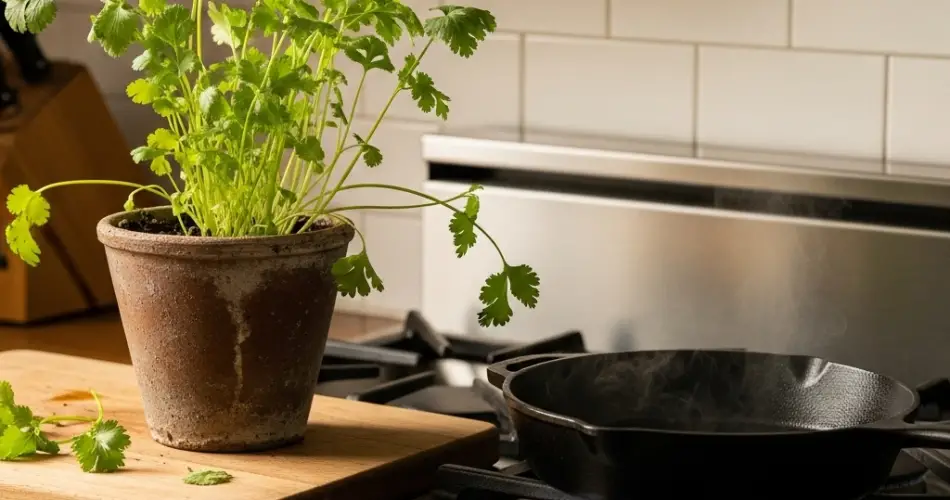
Cilantro is one of those herbs that can instantly brighten a dish with its fresh, zesty flavor. Whether sprinkled over tacos, stirred into curries, or blended into salsas, cilantro brings a lively touch that’s hard to replicate. Instead of relying on store-bought bundles that wilt quickly in the fridge, you can grow cilantro right in your kitchen. Indoor cultivation keeps this herb fresh and available year-round, ensuring your meals always carry that distinctive burst of green flavor.
Why Cilantro Belongs in the Kitchen
Unlike some herbs that can last a long time after harvest, cilantro is delicate. Its leaves lose flavor soon after being cut, which makes fresh harvesting especially valuable. Growing it indoors gives you the convenience of snipping just what you need while cooking. It also saves money over time, since you can grow continuous batches rather than buying bunches weekly. Beyond practicality, a lush pot of cilantro on your windowsill adds greenery and fragrance to your kitchen space.
Choosing Containers for Cilantro
Cilantro grows differently than herbs like basil or thyme—it develops long taproots. For that reason, it needs a deep container. Look for pots at least 8 to 12 inches deep, with drainage holes to prevent waterlogging. Terracotta pots are an excellent choice since they allow extra moisture to evaporate naturally. If you plan to grow several plants at once, a wide planter works best, as cilantro doesn’t thrive when overcrowded. Spacing ensures that each plant receives enough airflow and nutrients to flourish.
Soil That Supports Healthy Growth
Cilantro prefers soil that drains well while retaining enough moisture to stay evenly damp. A light potting mix works well, but for better results, add sand or perlite to improve aeration. Mixing in compost or organic matter provides steady nutrients, which this fast-growing herb will appreciate. Since cilantro doesn’t like being fertilized too heavily, a balanced organic fertilizer applied lightly during the growing season is sufficient.
Starting Cilantro from Seed
Cilantro is best grown from seed because its long roots make transplanting tricky. To encourage faster germination, soak the seeds in water for a few hours before planting. Scatter them evenly over the prepared soil and cover with a thin layer, about a quarter inch deep. Keep the soil consistently moist until sprouts emerge. Within a week or two, you should see seedlings pushing through. Once they reach a few inches tall, thin them out to leave about 3 to 4 inches between each plant, giving them room to grow strong.
Light Requirements Indoors
Cilantro thrives in bright light. Place your pots near a south-facing window where the plants can receive at least 6 hours of sunlight daily. If you live in an area with limited daylight or are growing during winter, consider supplementing with a grow light. Without enough light, cilantro tends to grow tall and spindly rather than producing the lush leaves you want for cooking.
Watering and Care
Cilantro enjoys evenly moist soil but is sensitive to soggy conditions. Water when the top inch of soil feels dry to the touch, allowing excess water to drain away. Consistent watering prevents stress, which can lead to early bolting—the process where cilantro shifts its energy from leaves to flower and seed production. Regular watering, along with moderate feeding, helps keep your plants green, leafy, and harvest-ready.
Harvesting Cilantro
You can begin harvesting once the plants are about 6 inches tall. Use scissors to cut the outer stems, leaving the inner ones to keep producing. Harvesting regularly encourages bushier growth and prolongs the life of the plant. Aim to snip only what you need for each meal, as freshly cut cilantro is always more flavorful than stored leaves. If you need a larger batch for a recipe, avoid cutting more than one-third of the plant at once, so it can recover quickly.
Dealing with Bolting
Cilantro has a natural tendency to bolt, especially in warm environments. When it bolts, the leaves become smaller and less flavorful. To delay bolting, keep the plants in a cooler part of your kitchen and harvest frequently. Since cilantro is relatively short-lived, you can ensure a continuous supply by planting new seeds every couple of weeks. This method provides a cycle of young, tender plants ready for cooking at all times.
Fresh Flavor at Your Fingertips
One of the best parts of growing cilantro indoors is the joy of cooking with leaves harvested moments before they touch your dish. Toss freshly cut cilantro into salsa, blend it into chutney, stir it into soups, or garnish roasted vegetables. The taste is livelier and brighter than any store-bought bunch. With a little care, your kitchen can become a steady source of this beloved herb, making every meal fresher and more flavorful.
Final Thoughts
Growing cilantro indoors may seem like a small project, but it pays off in big ways. From saving money to enjoying unbeatable freshness, it transforms everyday cooking into something special. With the right container, soil, light, and care, you can maintain a thriving indoor cilantro garden. Each harvest becomes more rewarding as you reach for your windowsill and add that final, fragrant touch to your favorite dishes.


