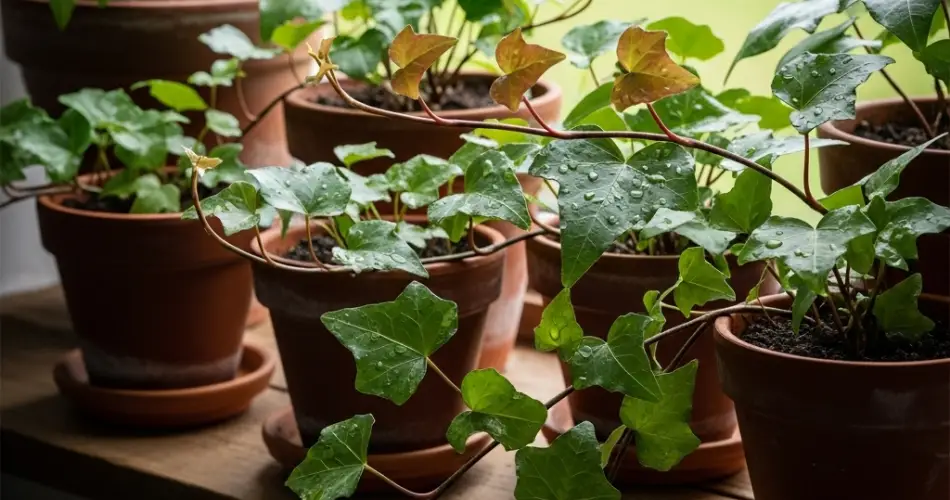
English ivy (Hedera helix) is a hardy and vigorous plant known for its glossy green leaves and ability to quickly cover walls, fences, trellises, and even indoor containers. While its fast growth can be attractive, it also means ivy can become unruly if not regularly maintained. Learning to prune and train English ivy properly is essential for keeping it healthy, attractive, and under control.
Whether you’re growing ivy indoors in pots or outdoors in the garden, the following pruning and training techniques will help you shape and manage this versatile plant with ease.
1. Why Pruning Is Essential
English ivy is a naturally aggressive climber and groundcover. Left unchecked, it can smother nearby plants, invade unwanted spaces, and even damage structures like brick walls and wooden fences. Regular pruning keeps the plant healthy and prevents overgrowth.
Benefits of pruning include:
-
Encouraging bushier, fuller growth
-
Preventing legginess or thinning stems
-
Removing dead, diseased, or damaged foliage
-
Controlling spread and invasiveness
-
Improving air circulation to reduce the risk of pests or disease
Routine trimming ensures that ivy remains attractive without overwhelming its surroundings.
2. When to Prune English Ivy
Ivy can be pruned at any time of the year, but the best times are in early spring and late summer. These seasons support vigorous regrowth, and trimming during these periods helps prepare the plant for either the active growing season or dormancy.
-
Spring pruning encourages lush growth and gives you a chance to shape the plant.
-
Summer or early fall pruning helps tidy the plant before winter and controls excessive spread.
Avoid heavy pruning during extremely hot or cold weather, as this can stress the plant.
3. How to Prune English Ivy
You don’t need any special tools to prune ivy—sharp, clean scissors or pruning shears will do the job. For larger or outdoor growth, a pair of garden pruners may be needed.
Steps:
-
Inspect the plant for dead or yellowing leaves and long, leggy vines that look bare or straggly.
-
Trim these stems back to a healthy node (where the leaves and stem meet).
-
Cut back overgrown areas to maintain the shape and size you want. Don’t be afraid to prune aggressively—ivy is resilient and will bounce back.
-
Sterilize your tools before and after trimming to prevent the spread of disease, especially if pruning multiple plants.
For indoor ivy, pruning every few months is usually sufficient to maintain shape and encourage fuller growth.
4. Training English Ivy
In addition to pruning, training your ivy helps guide its growth in the direction and pattern you prefer. Ivy can be trained to climb or trail, depending on your setup.
Training for Climbing
If you want ivy to climb a trellis, wall, or other vertical surface:
-
Provide a support structure, such as a wooden trellis, wire grid, or moss pole.
-
Gently guide the vines, using plant ties, clips, or twist ties to secure them loosely to the support.
-
As the plant grows, continue securing new vines and remove any that stray too far from the desired shape.
English ivy produces aerial rootlets that attach to rough surfaces, allowing it to climb naturally. However, these roots can damage certain surfaces, so avoid training ivy directly on wood, painted walls, or older brickwork.
Training for Trailing
If growing ivy in hanging baskets or containers:
-
Allow the stems to drape naturally.
-
Prune the ends to keep the vines balanced and prevent excessive length.
-
Turn the pot regularly so all sides receive light evenly, preventing uneven growth.
5. Managing Aggressive Growth Outdoors
In outdoor settings, especially in temperate climates, English ivy can spread aggressively and become invasive. To manage this:
-
Define boundaries using edging, raised beds, or physical barriers.
-
Cut back runners regularly to keep ivy from encroaching on lawns or neighboring plants.
-
Remove ground-level vines that try to root into the soil if they’ve spread beyond their intended space.
-
Dispose of cuttings responsibly. Do not compost them unless you’re sure your compost reaches high enough temperatures to kill off viable plant fragments.
6. Tips for Healthy Ivy Growth
-
Provide bright, indirect light for indoor ivy, and partial shade outdoors.
-
Water when the top inch of soil is dry, avoiding overwatering or letting the soil stay soggy.
-
Fertilize lightly during the growing season (spring to early fall), using a diluted balanced fertilizer once a month.
-
Monitor for pests like spider mites or aphids, especially on indoor plants, and treat promptly if found.
Conclusion
With regular pruning and thoughtful training, English ivy can be a beautiful, well-behaved addition to your home or garden. Instead of letting it sprawl unchecked, take control of its growth through trimming, shaping, and careful guidance. A little maintenance goes a long way in turning English ivy from a wild climber into a lush, manageable, and decorative plant companion.


