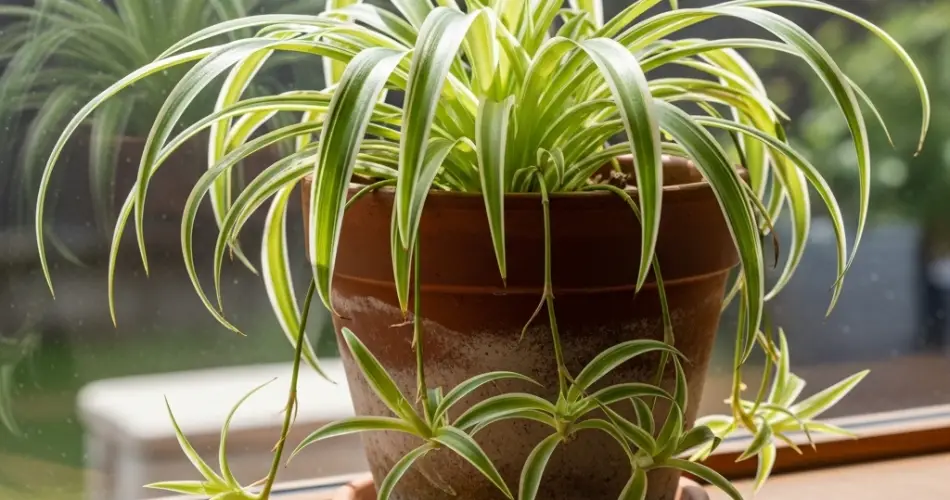
Spider plants (Chlorophytum comosum) are among the most beginner-friendly houseplants you can grow. With their graceful, arching leaves and little “pups” or plantlets that dangle from long stems, they bring a sense of liveliness and charm to indoor spaces. Best of all, they’re well-suited for container gardening, thriving in pots with minimal fuss.
If you’re new to plant care or want to start a low-maintenance indoor garden, spider plants are a fantastic choice. This guide covers everything you need to know to get started with container gardening for spider plants—from choosing the right pot and soil to ongoing care and propagation.
Why Choose Spider Plants for Containers?
Spider plants are tough, adaptable, and forgiving. They tolerate occasional neglect, adapt to various light conditions, and aren’t too picky about soil. Their ability to thrive in containers makes them ideal for small apartments, home offices, kitchens, or hanging baskets. Additionally, their cascading form makes them perfect for decorative pots placed on shelves or in macramé hangers.
Choosing the Right Container
The container you use can directly affect your spider plant’s health. Here are some key considerations:
-
Drainage is essential: Always choose a pot with drainage holes to prevent root rot. Spider plants dislike soggy soil.
-
Size matters: A pot that’s just slightly larger than the plant’s root system works best. Avoid overly large pots, as excess soil can retain too much moisture.
-
Material options: Terracotta pots are breathable and help wick away moisture, which can be helpful for beginners who may overwater. Plastic and ceramic pots are also good choices if they have proper drainage.
Hanging pots are especially popular for spider plants since their long arching leaves and baby offshoots spill over the edges, creating a striking visual effect.
Best Soil for Spider Plants
Spider plants grow best in well-draining potting mixes. A general-purpose indoor plant mix works well, but you can also make your own by mixing:
-
2 parts potting soil
-
1 part perlite or pumice (for drainage)
-
1 part coco coir or peat moss (to retain moisture without staying soggy)
Avoid heavy or compacted soils, as these can suffocate the roots and increase the risk of fungal issues.
Light Needs and Placement
Spider plants thrive in bright, indirect light. While they can tolerate lower light levels, they grow more vigorously and develop better coloring when given adequate light.
-
Ideal placement: Near east- or north-facing windows or in rooms with filtered light. Avoid intense direct sun, which can scorch the leaves.
-
Grow lights: If natural light is limited, spider plants respond well to LED grow lights, making them suitable for darker rooms or offices.
Watering Tips
Getting the watering schedule right is key to a happy spider plant. These plants prefer to dry out slightly between waterings.
-
Water when the top inch of soil feels dry.
-
In spring and summer, you may need to water weekly. In winter, reduce watering to every 10–14 days.
-
Use room temperature water, and allow excess water to drain out the bottom of the pot.
Brown tips on the leaves are common and can be caused by overwatering, poor drainage, or fluoride/chlorine in tap water. Try using filtered or distilled water if the problem persists.
Fertilizing and Feeding
Spider plants aren’t heavy feeders but will benefit from occasional fertilization:
-
Use a balanced, water-soluble houseplant fertilizer (10-10-10 or 20-20-20) once a month during the growing season (spring through early fall).
-
Avoid over-fertilizing, as it can lead to salt buildup and leaf tip burn.
Propagation: Making More Spider Plants
One of the most enjoyable parts of growing spider plants is propagation. As the plant matures, it sends out long stems with baby plantlets at the tips.
-
Wait until the plantlet has developed small roots (you’ll see white nubs).
-
Clip the baby off the main stem and plant it in a small pot with fresh soil.
-
Keep the soil lightly moist until the new plant establishes roots.
Alternatively, plantlets can be rooted in water before potting, although direct planting in soil tends to produce stronger results.
Common Pests and Problems
Spider plants are relatively pest-resistant but can occasionally attract:
-
Spider mites
-
Mealybugs
-
Aphids
Wipe down the leaves with a damp cloth and treat infestations with insecticidal soap or neem oil. Ensuring good air circulation and proper watering can also reduce the risk of pest problems.
Final Thoughts
Spider plants are a top choice for beginners looking to try their hand at container gardening. With just a little attention to pot choice, soil, light, and watering, these graceful plants will reward you with fresh growth and cascading greenery. They’re easy to multiply, making them a perfect starting point for building an indoor plant collection or sharing cuttings with friends.
Whether sitting on a sunny windowsill, hanging from a ceiling hook, or perched on a bookshelf, spider plants can bring a breath of fresh air and a touch of green style to any indoor space.


