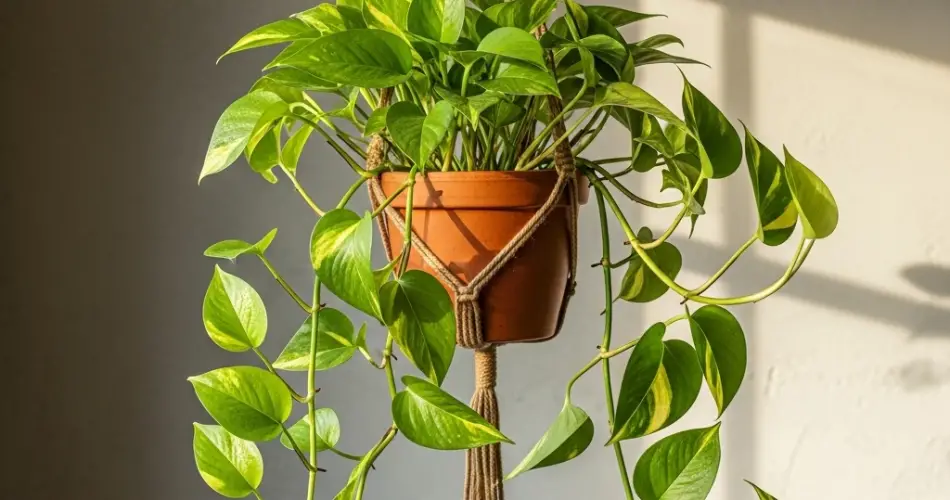
If you’re short on room but want to bring some greenery into your life, container gardening with pothos is a perfect solution. Pothos (Epipremnum aureum), also known as Devil’s Ivy, is an easy-care plant that thrives in confined spaces, making it ideal for apartments, small balconies, or even desks and shelves. With its trailing vines and heart-shaped leaves, it adds beauty while purifying indoor air.
Here’s a complete guide on how to grow healthy, vibrant pothos in containers—even when space is limited.
Why Pothos Is Perfect for Small Spaces
Pothos adapts to a range of environments and tolerates low light, inconsistent watering, and various container types. It’s a fast grower, yet doesn’t demand much care. Because pothos doesn’t require deep soil or a lot of sunlight, you can place it in corners, hang it on walls, or display it on shelves without worry.
Its cascading vines can be left to trail down or trained to climb, making it highly versatile in compact urban settings.
Choosing the Right Container
The container plays a crucial role in keeping your pothos healthy. For small spaces, the pot should be practical and space-efficient but also promote good drainage.
Container considerations:
-
Drainage holes: Always choose a pot with drainage holes at the bottom to prevent soggy soil and root rot.
-
Size: Start with a pot that’s 1–2 inches larger than the plant’s root ball. Avoid oversized pots, as they can retain too much water.
-
Material: Terracotta and clay are breathable and help reduce excess moisture. Plastic pots are lightweight and more portable, ideal for hanging or shelf-mounted pots.
If aesthetics are important, place a plastic nursery pot inside a more decorative cachepot—just remember to empty any collected water.
Soil Requirements
Pothos prefers well-draining, slightly acidic to neutral soil. Since it’s not fussy, any quality indoor potting mix will do. However, in small containers where moisture builds up quickly, a mix that supports drainage is best.
Recommended soil mix:
-
2 parts all-purpose potting soil
-
1 part perlite or pumice for added aeration
-
Optional: 1 part coco coir or peat moss to retain balanced moisture
Avoid using heavy garden soil or dense mixes, especially in small or enclosed pots, as these can lead to waterlogged roots.
Light Needs in Limited Spaces
Pothos can survive in low light, but for best growth and vibrant leaf color, it prefers bright, indirect light. In small apartments or shaded balconies, place your pothos near a window with filtered sunlight or under fluorescent lighting.
Tips for maximizing light:
-
Rotate the pot every few weeks to ensure even growth.
-
In darker corners, consider using a grow light for a few hours daily.
-
Variegated pothos (like Golden or Marble Queen) may lose their color patterns if light is too low.
Avoid direct sun exposure, especially through glass, as it can scorch the leaves.
Watering Smart in Small Containers
Because small pots dry out faster—or sometimes hold too much water, depending on location—watering pothos in containers takes a bit of attention. Overwatering is one of the most common mistakes, particularly in low-light conditions.
Watering guidelines:
-
Check the top inch of soil. If dry, it’s time to water.
-
Use room-temperature water and water thoroughly until it drains out the bottom.
-
Let the soil dry between waterings—pothos doesn’t like constantly wet roots.
-
Reduce watering frequency during cooler months or in lower-light settings.
Leaves turning yellow or mushy may indicate overwatering, while curling or drooping leaves usually signal underwatering.
Supporting and Displaying Pothos in Tight Spaces
Pothos vines can grow several feet long, making them ideal for vertical decoration or hanging baskets. With minimal space, consider these options:
-
Wall-mounted planters: Let vines trail down for a green wall effect.
-
Hanging baskets: Use from ceiling hooks or curtain rods to save floor space.
-
Shelf placement: Let vines spill over the edge for natural cascading beauty.
-
Trellises or moss poles: Train the plant to climb for upward growth.
Pothos is easy to prune and shape, so don’t hesitate to trim leggy stems or redirect growth to suit your setup.
Feeding and Repotting
In small containers, nutrients get used up quickly, so feeding is important to keep your pothos thriving.
Fertilizing tips:
-
Feed monthly during spring and summer with a balanced liquid houseplant fertilizer.
-
Skip fertilizing in winter when growth naturally slows.
Repotting tips:
-
Repot every 1–2 years, or when roots become crowded.
-
Use fresh soil and move to a container one size up.
Repotting also gives you a chance to divide the plant and propagate cuttings for even more greenery in other small spaces.
Final Thoughts
Pothos is the perfect plant for container gardening in small spaces. With its flexible growing habits, low-maintenance care, and beautiful foliage, it brings life to apartments, offices, and balconies without demanding much room or effort.
Choose the right pot, give it indirect light, water wisely, and enjoy a lush green display that elevates any small-space setting.


