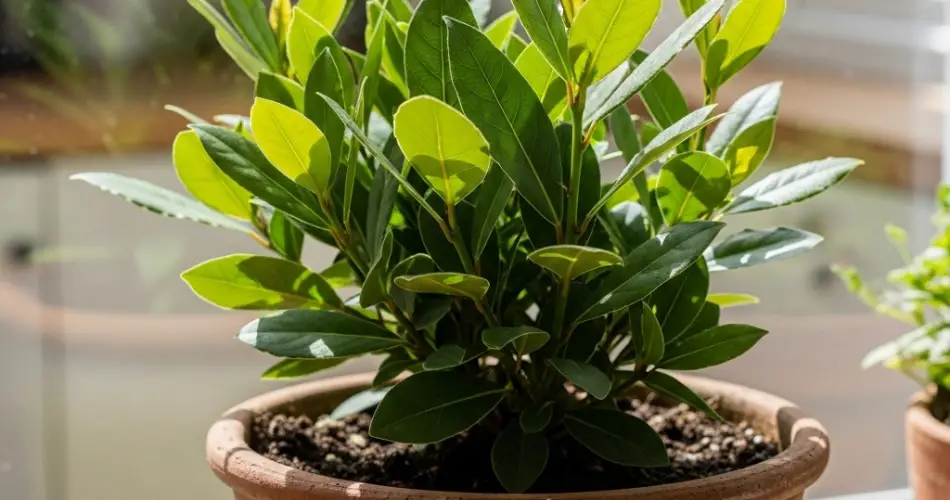
Bay leaf trees (Laurus nobilis), also known as bay laurel, are timeless evergreens cherished for both their culinary and ornamental value. Their glossy leaves bring aromatic depth to soups, stews, and sauces, while their elegant form makes them a charming addition to any garden. Fortunately, you don’t need a large backyard to grow this Mediterranean classic. Bay leaf trees adapt beautifully to container gardening, making them a perfect choice for balconies, patios, and even sunny indoor corners.
With the right care, a potted bay tree can thrive for years, providing you with fresh, aromatic leaves and an attractive centerpiece for your small-space garden. This article explores everything you need to know about container gardening with bay leaf trees.
Why Bay Leaf Trees Suit Containers
Growing bay laurel in containers offers several advantages for gardeners with limited space:
-
Compact growth – Bay trees grow slowly, making them easy to manage in pots without constant pruning.
-
Mobility – Containers allow you to move your tree to the sunniest spots or indoors during cold weather.
-
Culinary convenience – Having a bay tree right outside your door or near your kitchen window ensures fresh leaves are always within reach.
-
Decorative appeal – With their dense, glossy foliage, bay trees add elegance to small patios and porches, and can even be shaped into topiaries.
Container gardening makes bay leaf trees accessible to anyone, even urban gardeners with only a balcony to spare.
Choosing the Right Container
A strong container is essential for long-term growth. Since bay trees develop deep roots, select a pot that is at least 12–16 inches wide and deep. As the tree matures, you may need to repot into larger containers, but starting with a substantial size saves effort.
Terracotta and ceramic pots are excellent choices because they allow soil to breathe and excess moisture to evaporate. However, plastic containers are lightweight and easier to move, especially for larger trees. Whichever you choose, ensure it has good drainage holes to prevent root rot.
The Ideal Potting Mix
Bay laurel thrives in a well-draining, fertile mix that mimics its native Mediterranean soil. A good blend includes:
-
2 parts high-quality potting soil
-
1 part compost for nutrients
-
1 part perlite or coarse sand for improved drainage
This mixture ensures that water drains freely while still providing enough organic matter to feed the tree. Bay trees dislike heavy or compacted soil, so avoid garden soil in containers.
Planting and Positioning
When planting a bay tree in a container, fill the pot with the prepared soil mix, then position the tree so that the root ball sits level with the soil surface. Firm the soil gently around the roots and water thoroughly.
Bay laurel loves sunny conditions, ideally 6–8 hours of direct sunlight daily. Place your pot in a bright spot on the patio, balcony, or porch. Indoors, a south-facing window is best. If natural light is limited, supplement with a grow light to maintain healthy foliage.
Watering and Feeding
Bay trees prefer soil that is kept lightly moist but never soggy. Allow the top inch of soil to dry between waterings, then water deeply until excess drains from the bottom. In winter, reduce watering slightly as the plant’s growth slows.
Feed your bay tree every 4–6 weeks during the growing season with a balanced liquid fertilizer. This helps maintain glossy green leaves and steady growth. Adding compost to the potting mix also supports long-term soil fertility.
Pruning and Maintenance
Bay leaf trees respond well to pruning, making them versatile for container gardening. You can maintain them as small shrubs, train them into standards, or shape them into decorative topiaries. Prune in late spring or early summer to encourage dense, bushy growth.
Remove yellowing or damaged leaves regularly, and harvest fresh leaves by picking them directly from the plant. Drying harvested leaves ensures a steady supply for cooking year-round.
Every two to three years, refresh the potting mix and repot the tree into a slightly larger container to support root health.
Overwintering and Pest Care
In colder regions, bay trees need protection from frost. If your area experiences harsh winters, bring your potted tree indoors before temperatures drop below freezing. Place it in a bright, cool room and water sparingly until spring.
While bay laurel is relatively hardy, watch for pests such as scale insects or aphids. These can usually be managed with a gentle spray of water or neem oil. Regularly checking the leaves ensures problems are caught early.
Culinary and Decorative Uses
The leaves of bay laurel are a staple in many cuisines. Add them to soups, casseroles, marinades, or stews for a deep, aromatic flavor. Fresh leaves can be used directly, while dried ones release a more concentrated taste.
Beyond the kitchen, bay trees offer ornamental value. Their evergreen leaves provide year-round greenery, and they can be pruned into elegant shapes, making them a highlight in container gardens.
Final Thoughts
Container gardening with bay leaf trees allows anyone, regardless of space, to enjoy the fragrance, flavor, and beauty of this classic herb. With the right container, a well-draining soil mix, proper watering, and occasional pruning, bay laurel thrives in pots for years.
Whether placed on a sunny balcony, porch, or near a bright kitchen window, a potted bay leaf tree is both practical and ornamental—bringing Mediterranean charm and culinary richness right into your small-space garden.


