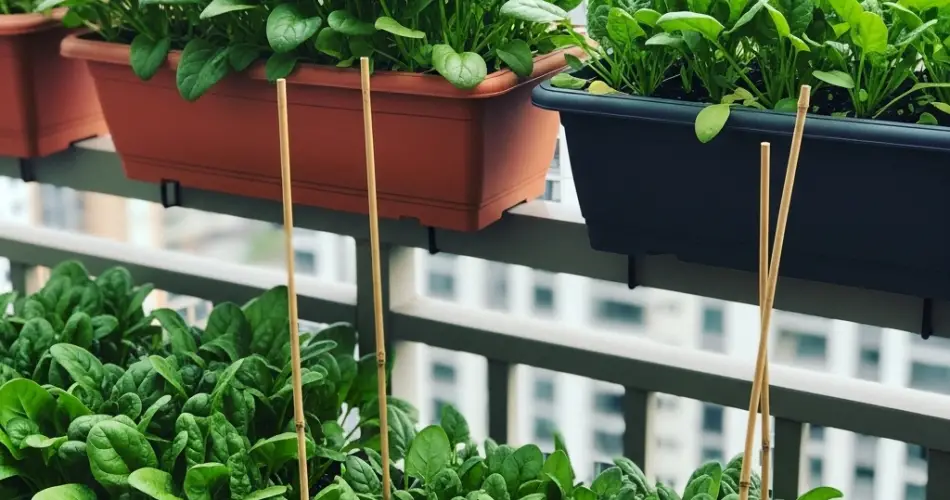
Spinach is a leafy green powerhouse, packed with iron, fiber, and essential vitamins. It’s an excellent crop for home gardeners, especially those working with limited space. With a few containers, good-quality soil, and a sunny corner, spinach can thrive on a balcony, patio, or even a kitchen windowsill. If you’re a fan of fresh, homegrown greens, container gardening is the perfect way to enjoy spinach year-round.
Growing spinach in containers gives you more control over growing conditions, allows easy access for harvesting, and helps protect the plants from pests and soil-borne diseases. This guide walks you through everything you need to know to grow lush, healthy spinach in pots—even if you’re new to gardening.
Why Choose Spinach for Container Gardening?
Spinach is ideal for small spaces because it:
-
Grows quickly (ready to harvest in 30–45 days)
-
Thrives in shallow containers
-
Prefers cooler temperatures, making it suitable for spring and fall
-
Responds well to cut-and-come-again harvesting
-
Can be grown from seed or transplants with ease
Whether you want a steady supply for salads, smoothies, or cooked dishes, container-grown spinach offers a continuous and nutritious harvest.
What You’ll Need
Here are the basic materials for growing spinach in containers:
-
Wide containers or pots (6–8 inches deep minimum)
-
Quality potting mix (rich and well-draining)
-
Spinach seeds or transplants
-
Watering can or spray bottle
-
Organic compost or liquid fertilizer (optional)
-
A sunny location (4–6 hours of sunlight daily)
Choosing the Right Container
Spinach has shallow roots, so it doesn’t require deep pots. However, it does benefit from wider containers that allow multiple plants to grow without crowding. A container that is 6–8 inches deep and 12 inches wide can support several spinach plants comfortably.
Ensure your container has adequate drainage holes to prevent root rot. You can use standard pots, window boxes, recycled buckets, or grow bags—whatever works best for your space.
Preparing the Soil
Spinach prefers rich, loamy, well-draining soil. Fill your container with a high-quality potting mix. You can mix in some compost to boost fertility or use a slow-release organic fertilizer for steady nutrient supply.
Before planting, moisten the soil thoroughly and let it settle. The surface should be damp but not waterlogged.
Planting Spinach
From Seeds:
-
Sow seeds about ½ inch deep and 2–3 inches apart in the container.
-
Lightly cover with soil and press gently.
-
Water gently to keep the top layer moist.
-
Seeds should germinate in 7–14 days depending on temperature.
From Transplants:
If using nursery-grown seedlings, plant them 3–4 inches apart and water immediately after planting.
Spinach grows best in cool weather, so plant in early spring or fall. In warm climates, provide partial shade to prevent bolting (when the plant sends up a flower stalk and turns bitter).
Caring for Spinach in Containers
-
Sunlight: Spinach needs 4–6 hours of sunlight daily. In hot regions, morning sun and afternoon shade work best.
-
Watering: Keep the soil consistently moist. Water when the top inch feels dry, but avoid overwatering, which can lead to root rot.
-
Feeding: If your potting mix lacks nutrients, feed with diluted organic liquid fertilizer or compost tea every 2–3 weeks.
-
Thinning: If plants are too close, thin them once seedlings are about 2 inches tall. Use the thinned greens in salads or smoothies.
Pests and Problems
Container spinach faces fewer pest problems, but watch out for:
-
Aphids: Spray with water or use neem oil.
-
Leaf miners: Remove affected leaves and dispose of them.
-
Fungal issues: Avoid overhead watering and ensure good air circulation.
Always check the undersides of leaves and remove any yellowing or damaged foliage to maintain plant health.
Harvesting Spinach
You can start harvesting baby spinach leaves once they’re about 3 inches long—usually around 3 to 4 weeks after planting. Use clean scissors to snip the outer leaves, allowing the center to keep growing.
For a full harvest, wait until the plant matures (around 6 weeks), then cut all the leaves at the base. Spinach tends to bolt in warm temperatures, so harvest early before the leaves become bitter.
Frequent harvesting not only provides fresh greens but also encourages new growth.
Tips for Success
-
Succession planting: Sow new seeds every 2–3 weeks to enjoy a continuous supply.
-
Rotate the container: Turn your pot every few days for even sunlight exposure.
-
Mulch: Add a light layer of mulch to retain soil moisture and regulate temperature.
-
Indoor growing: Spinach can be grown indoors near a sunny window or under grow lights.
Final Thoughts
Container gardening is an excellent way to grow spinach, especially if you have limited outdoor space. With just a few pots and some basic care, you can enjoy crisp, nutritious leaves right from your own balcony or windowsill. It’s a great project for beginners, families, and anyone who loves fresh, homegrown food. Whether you’re harvesting tender baby leaves or full-grown bunches, container-grown spinach brings healthy green goodness into your home with ease.


