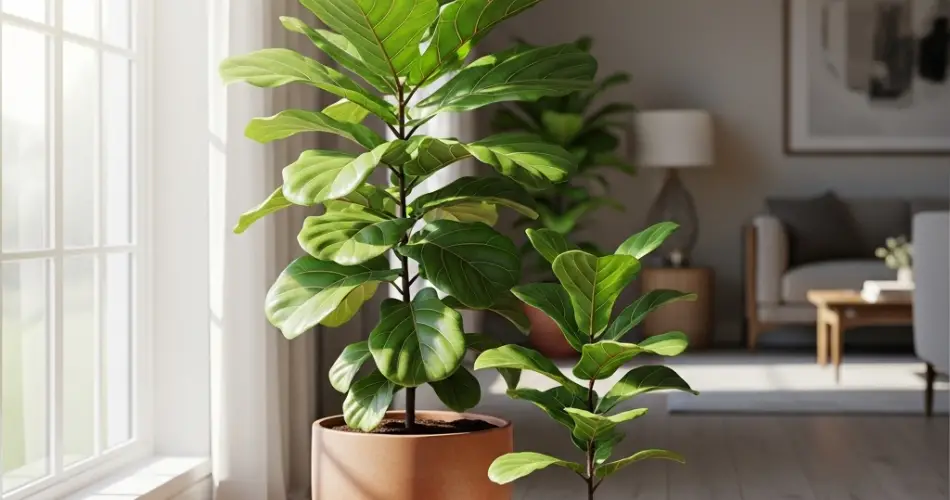
Fiddle leaf figs (Ficus lyrata) have become a favorite among plant lovers for their tall, dramatic growth and large, glossy leaves shaped like violins. Their bold look makes them an instant focal point in any home or office. While they may have a reputation for being a bit finicky, growing them in containers can actually make care more manageable—especially for beginners. This guide will walk you through everything you need to know to start container gardening with fiddle leaf figs, from choosing the right pot to maintaining a healthy, thriving plant.
Why Choose Container Gardening for Fiddle Leaf Figs?
Growing fiddle leaf figs in containers offers several advantages. Containers give you control over soil quality, drainage, and placement, allowing you to create the best possible environment for your plant. You can move the container to find the perfect lighting, bring the plant indoors when temperatures drop, and easily repot when your fig outgrows its home.
Selecting the Right Container
The container is more than just a decorative piece—it plays a key role in the plant’s health. When choosing one, consider both function and style.
Function
Your container must have drainage holes to prevent water from pooling at the bottom. Standing water can lead to root rot, one of the most common issues with fiddle leaf figs. If you fall in love with a decorative pot without holes, use it as a cachepot: keep your plant in a plastic nursery pot inside, and remove it for watering.
Size matters too. Select a pot that is 2–4 inches larger in diameter than the root ball. Too small, and your plant may become rootbound quickly; too large, and the soil can stay wet for too long, risking fungal issues.
Style
Fiddle leaf figs look fantastic in a variety of containers. Modern ceramic planters, sleek metal pots, rustic terracotta, or even woven baskets with liners can all complement their striking foliage. Choose a style that suits your interior design, but keep in mind the weight and stability of the pot—fiddle leaf figs can grow tall and top-heavy.
The Best Soil for Fiddle Leaf Figs
Soil choice can make or break your fiddle leaf fig’s health. They prefer well-draining soil that still holds enough moisture for the roots to access between waterings. A high-quality indoor potting mix with added perlite or pine bark works well. This combination ensures good aeration and prevents compaction, allowing roots to breathe.
Avoid garden soil, which is often too dense for container use and can harbor pests or diseases. You can also mix your own blend—two parts potting mix, one part perlite, and one part pine bark—for an optimal growing medium.
Light Requirements
Fiddle leaf figs thrive in bright, indirect light. Place them near a window that gets plenty of natural light throughout the day, such as a south- or east-facing window. While they can tolerate some direct morning sun, harsh afternoon rays can burn the leaves.
Insufficient light is one of the biggest causes of poor growth and leaf drop. If you notice your plant stretching toward the light or losing lower leaves, consider repositioning it or supplementing with a full-spectrum grow light.
Watering Your Fiddle Leaf Fig
Overwatering is a common mistake for beginners. Instead of watering on a strict schedule, check the soil moisture first. Stick your finger into the soil about 2 inches deep—if it’s dry, it’s time to water.
When you do water, give the plant a deep soak until water flows from the drainage holes, then empty the saucer to avoid root rot. In most indoor environments, you’ll water every 1–2 weeks, but this can vary depending on light, humidity, and temperature.
Humidity and Temperature
Fiddle leaf figs come from tropical regions and enjoy a bit of extra humidity. Average household humidity is usually fine, but in dry climates or during winter heating, you can help by misting the leaves, placing the pot on a pebble tray with water, or using a humidifier.
Maintain a stable indoor temperature between 60–75°F (16–24°C). Keep the plant away from cold drafts, air conditioners, or heating vents, as sudden changes can stress it.
Fertilizing for Healthy Growth
During the active growing season—spring and summer—feed your fiddle leaf fig every 4–6 weeks with a balanced, water-soluble houseplant fertilizer. Reduce feeding in fall and stop in winter when the plant naturally slows its growth.
Styling and Placement
Fiddle leaf figs make a dramatic statement in living rooms, offices, and entryways. For a clean, modern look, pair them with white or matte ceramic pots. For a warmer, natural feel, choose terracotta or woven baskets. Use plant stands to elevate smaller specimens, giving them extra presence and helping light reach the lower leaves.
Rotate your plant every few weeks so all sides receive equal light, encouraging symmetrical growth.
Troubleshooting Common Problems
-
Brown spots: Usually a sign of overwatering or fungal disease. Check drainage and adjust watering habits.
-
Yellow leaves: Can indicate inconsistent watering or nutrient deficiencies.
-
Dropping leaves: Often caused by sudden light changes or drafts. Move the plant to a more stable environment.
Final Thoughts
Container gardening makes it easier for beginners to enjoy the beauty of fiddle leaf figs while controlling key growing conditions. With the right container, well-draining soil, proper lighting, and attentive watering, your fiddle leaf fig can thrive and become a long-lasting centerpiece in your home. Over time, it will reward you with lush, sculptural leaves that bring a natural elegance to any room.


