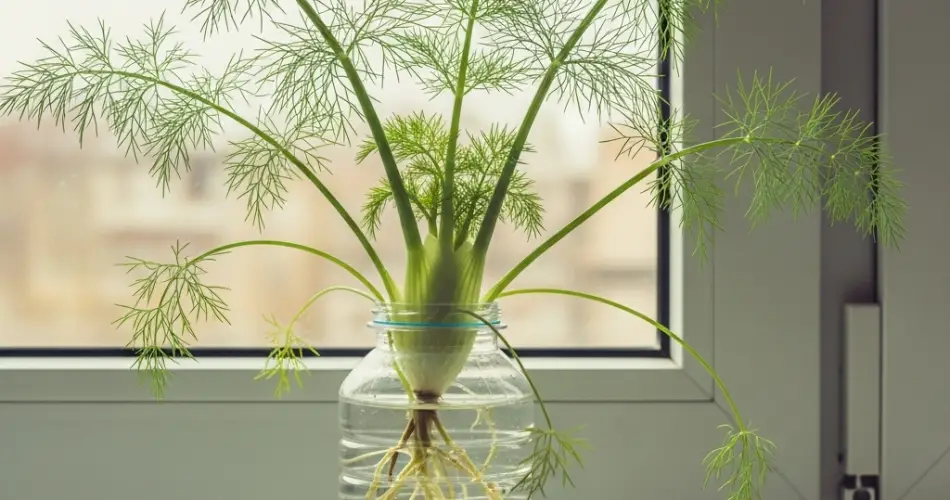
Fennel (Foeniculum vulgare) is a flavorful and aromatic herb that adds depth to a variety of dishes. Both its feathery fronds and swollen bulbs are edible, making it a versatile addition to your herb or vegetable garden. While fennel is typically grown in the ground, it can thrive in containers—including upcycled plastic bottles—with a little planning and the right conditions. Whether you’re working with a small balcony, windowsill, or patio, you can grow fresh fennel at home and enjoy a satisfying harvest.
Here’s how to grow fennel successfully in containers or plastic bottles, even if you’re short on space.
Why Grow Fennel in Containers?
Container gardening offers flexibility for gardeners with limited space. For fennel, containers also provide better control over soil quality, drainage, and sunlight exposure. Growing in plastic bottles or pots allows you to move your plants around to find the perfect spot and protect them from weather extremes.
Additionally, fennel’s deep taproot can be encouraged to grow straight in a controlled environment, which is ideal if you’re hoping to harvest plump bulbs. Container growing can also prevent fennel from spreading uncontrollably, which it tends to do in open garden beds.
Choosing the Right Container or Bottle
Fennel requires space for its roots to grow deep and undisturbed. For best results, select a container that is at least 12–14 inches (30–35 cm) deep. A wide mouth allows the bulb to expand properly, and drainage holes are essential to prevent waterlogging.
Plastic bottles, such as 5-liter water jugs or 1.5-liter soda bottles, can be upcycled into mini planters. Cut off the top portion to create an open container, poke drainage holes at the base, and optionally use the upper part as a humidity dome during early growth.
Best Soil for Container Fennel
Fennel thrives in loose, well-draining, nutrient-rich soil. Use a quality potting mix combined with compost or aged manure to provide a good balance of nutrients. You can also mix in a handful of perlite or coarse sand to improve aeration and drainage.
The ideal pH for fennel is between 6.0 and 7.0. Avoid overly rich soil with excessive nitrogen, which can lead to lush foliage at the expense of bulb development.
Planting Fennel in Bottles
You can grow fennel from seeds or transplants, but direct sowing into the final container is often preferred. Fennel does not transplant well due to its long taproot, which is easily disturbed.
-
From seed: Fill the container with your prepared soil, moisten it lightly, and sow fennel seeds about ½ inch deep. Space seeds at least 8–10 inches apart if using larger containers. In a plastic bottle, you may plant one or two seeds per container to allow space for the bulb to form.
-
From seedlings: If transplanting is necessary, do so carefully and ensure the root remains intact. Transplant when the seedling is still young and has only a few leaves.
Keep the soil consistently moist during germination, which usually takes 7 to 10 days.
Light and Temperature Needs
Fennel loves full sun. Place your container in a location where it receives at least 6 to 8 hours of direct sunlight daily. If growing indoors, a south-facing window or grow light setup will help ensure strong, healthy growth.
Fennel prefers cooler temperatures between 60–70°F (15–21°C), making it ideal for spring and fall planting in most climates. If growing in warmer regions, provide some shade during the hottest part of the day or move the container to a cooler spot.
Watering and Feeding
Keep the soil evenly moist but not soggy. Fennel doesn’t like to dry out completely, especially while the bulb is forming. Use a watering can with a narrow spout to avoid splashing soil around the base of the plant.
Fertilize every 3–4 weeks using a balanced liquid fertilizer or compost tea. Be cautious with high-nitrogen fertilizers, which can lead to poor bulb formation. Instead, opt for fertilizers labeled for root vegetables or general-purpose organic feeds.
Harvesting Fennel
Fennel can be harvested for its leaves, seeds, or bulbs, depending on your needs.
-
Leaves: Snip fronds as needed once the plant is about 12 inches tall. Regular harvesting encourages new growth.
-
Bulbs: Harvest when the bulb reaches about the size of a tennis ball—firm, white, and swollen above the soil line. Use a sharp knife to cut it just above the root level.
-
Seeds: Allow the plant to flower and produce seed heads. Once they begin to dry, cut and hang them upside down in a paper bag to collect the seeds.
Common Problems and Solutions
-
Poor bulb formation: May result from overcrowding, lack of sunlight, or too much nitrogen. Ensure the plant has enough space and nutrients geared toward root development.
-
Leggy growth: Caused by insufficient light. Move the container to a sunnier location.
-
Pests: Fennel is relatively pest-resistant but can occasionally attract aphids or caterpillars. Use neem oil or a mild insecticidal soap if needed.
Final Thoughts
Growing fennel in containers or upcycled bottles is a practical and rewarding way to enjoy this flavorful herb at home. With the right setup and care, you can grow lush fronds and plump bulbs even in a small space. Whether you’re adding the fronds to salads, roasting the bulbs, or harvesting seeds for spice blends, container-grown fennel offers beauty, versatility, and fresh flavor straight from your windowsill or balcony.


