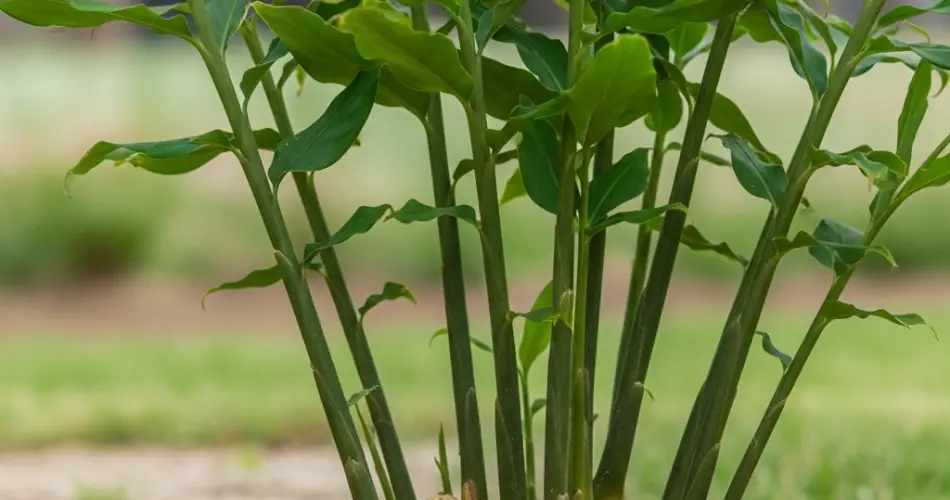
Ginger is a tropical, aromatic root that thrives in warm, humid environments with rich, well-draining soil. It’s valued for both culinary and medicinal purposes and is relatively easy to grow in the right conditions. But like many garden plants, ginger doesn’t need to grow alone. Companion planting—pairing certain plants together for mutual benefit—can improve soil quality, deter pests, conserve moisture, and increase overall garden productivity.
If you’re growing ginger at home, consider these helpful companion plants that grow well alongside it, and learn which ones to avoid.
What Makes a Good Companion for Ginger?
Ginger benefits from plants that:
-
Thrive in similar warm, humid climates
-
Don’t compete aggressively for nutrients
-
Provide ground cover or light shade
-
Repel pests that commonly affect ginger
-
Improve soil health through organic matter or nitrogen-fixation
Since ginger grows underground and takes several months to mature, companion plants should complement its slow, steady growth rather than hinder it.
Best Companion Plants for Ginger
1. Turmeric
Ginger and turmeric are close relatives with similar growing requirements. Both prefer partial shade, rich soil, and consistent moisture. Planting them together helps maximize space and makes care easier since their needs align so closely.
2. Legumes (Beans and Peas)
Legumes are excellent nitrogen fixers, meaning they enrich the soil with this essential nutrient. Ginger, being a root crop, benefits from this added nitrogen, which supports lush green growth. Bush beans or peas are ideal since they don’t climb or shade ginger excessively.
3. Lemongrass
Lemongrass is a natural pest deterrent and grows well in similar tropical conditions. Its strong scent can help repel aphids and other insects, offering a layer of protection to ginger. It also doesn’t crowd the root zone, allowing both plants to coexist peacefully.
4. Herbs (Cilantro, Basil, and Mint)
Aromatic herbs like cilantro and basil can help repel pests, while their shallow roots don’t interfere with ginger’s underground rhizomes. Mint also provides pest control, but because it spreads aggressively, it’s best planted in containers near your ginger or in well-controlled garden beds.
5. Chili Peppers
Peppers and ginger both love warm soil and consistent moisture. Chili plants can help deter pests like aphids and beetles, and their compact size makes them suitable neighbors that won’t outcompete ginger for resources.
6. Spinach and Lettuce
These leafy greens grow quickly and can act as ground cover, helping to retain soil moisture and reduce weed growth around ginger plants. Since they grow above ground and have shallow roots, they won’t compete with ginger’s root system.
7. Taro
In tropical climates, taro can grow alongside ginger as both crops enjoy moist, shaded areas. Taro’s broad leaves provide natural shade that protects ginger from harsh sun, especially during the hottest months.
Plants to Avoid Growing with Ginger
While many plants make excellent companions, some should be kept away from ginger:
-
Root vegetables like carrots, potatoes, and onions: These compete for underground space and nutrients, which can stunt ginger’s growth.
-
Tall, sun-loving crops like corn: They can overshadow ginger and steal valuable sunlight and nutrients from the soil.
-
Aggressive groundcover plants: These can smother ginger shoots and inhibit proper air circulation.
-
Heavy-feeding brassicas (like cabbage and broccoli): These use up a lot of nutrients, potentially depriving ginger of what it needs to grow well.
Tips for Companion Planting with Ginger
-
Space plants appropriately: Give ginger enough room to spread its rhizomes underground while allowing airflow between companion plants.
-
Use mulch: Mulching around ginger helps retain moisture and suppress weeds. Companion plants that serve as living mulch, like leafy greens, are especially beneficial.
-
Maintain soil moisture: Ginger prefers evenly moist, but not soggy, soil. Group it with plants that have similar watering needs.
-
Provide partial shade: In very hot climates, taller companion plants can help provide filtered sunlight to protect ginger from stress.
-
Harvest wisely: Some fast-growing companions, like lettuce or herbs, can be harvested early, giving ginger more room as it matures.
Final Thoughts
Companion planting with ginger is a smart way to maximize space, improve growing conditions, and protect your plants naturally. By choosing the right neighbors—such as legumes, herbs, and leafy greens—you’ll create a balanced garden environment where ginger can thrive. Avoid root competitors and heavy feeders, and you’ll enjoy a healthy, productive ginger harvest in your home garden.


