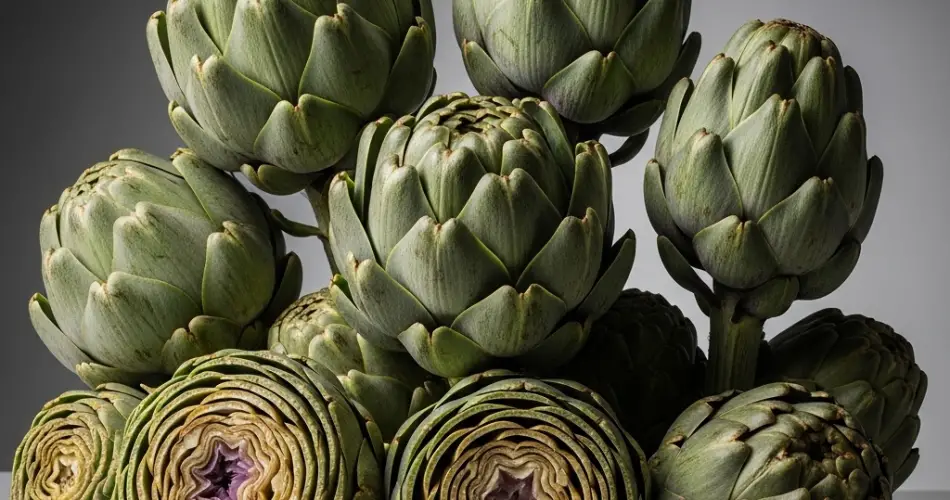
Artichokes are striking, perennial vegetables that not only produce delicious flower buds but also add architectural beauty to the garden. With their large leaves and deep root systems, artichokes require plenty of space and nutrients. That’s where companion planting comes in—a strategic gardening practice where certain plants are grown together to enhance growth, deter pests, and improve yield.
If you’re growing artichokes in your garden, pairing them with the right companions can boost their performance while maximizing space and creating a healthier ecosystem. Here’s a guide to what works best when companion planting with artichokes.
Why Companion Planting Matters for Artichokes
Artichokes are heavy feeders, slow-growing, and can take up considerable space in the garden. By choosing compatible neighbors, you can:
-
Improve soil health
-
Attract beneficial insects
-
Repel harmful pests
-
Utilize space efficiently
-
Encourage greater yields for nearby crops
That said, not all plants make good companions. Some can compete for nutrients or shade out your artichokes, so it’s important to choose wisely.
Best Companion Plants for Artichokes
Here are some tried-and-true companions that work well with artichokes:
1. Peas and Beans
These legumes are nitrogen-fixers, meaning they enrich the soil by converting atmospheric nitrogen into a form that plants can use. Since artichokes are heavy nitrogen feeders, growing peas or beans nearby can help support their needs.
-
Benefits: Improve soil fertility and structure
-
Placement tip: Plant legumes around the outer edges to avoid shading the artichokes
2. Sunflowers
Sunflowers make good neighbors for artichokes due to their ability to attract pollinators and beneficial insects like lacewings and ladybugs, which feed on aphids.
-
Benefits: Attract beneficial insects, provide light shade
-
Placement tip: Plant on the north side to prevent shading artichokes
3. Coriander (Cilantro)
Coriander is known to deter pests such as aphids and spider mites, both of which can damage artichoke leaves. It also attracts beneficial insects like hoverflies and parasitic wasps.
-
Benefits: Natural pest repellent, supports pollinators
-
Placement tip: Grow in patches around the base of the artichoke
4. Marigolds
Marigolds are classic companion plants thanks to their ability to repel nematodes and deter aphids. Their bright blooms also attract pollinators and beneficial insects.
-
Benefits: Repel soil pests, draw in pollinators
-
Placement tip: Use as a border plant around your artichoke bed
5. Tarragon
This aromatic herb is a natural pest deterrent and can enhance the flavor of nearby vegetables. It also grows well without competing for resources.
-
Benefits: Repels harmful insects, non-invasive
-
Placement tip: Plant alongside or between artichokes without crowding
6. Lettuce and Spinach
These fast-growing, shallow-rooted greens make excellent use of the space between young artichoke plants before they reach full size.
-
Benefits: Maximize garden space, no competition for nutrients
-
Placement tip: Plant early in the season before the artichoke canopy fills out
Plants to Avoid Near Artichokes
Not every plant gets along with artichokes. Some compete for nutrients or attract the wrong types of insects.
1. Corn
Corn grows tall and can shade out the sunlight that artichokes need. Both are heavy feeders, so they can deplete soil nutrients quickly when grown together.
-
Problem: Competes for nutrients and light
2. Potatoes
Potatoes are prone to diseases that may affect artichokes, especially in poorly rotated beds. Additionally, they are also nutrient-demanding and could stress the soil.
-
Problem: Disease spread and heavy nutrient competition
3. Brassicas (Cabbage, Broccoli, Cauliflower)
These plants compete for similar nutrients and take up valuable space, making them poor companions for artichokes.
-
Problem: Space and nutrient competition
Tips for Successful Companion Planting with Artichokes
-
Give them space: Artichokes can grow 4 feet tall and wide. Be sure to plant companions that won’t interfere with airflow or sunlight.
-
Use mulch wisely: Mulching around artichokes and their companions helps retain moisture, suppress weeds, and regulate soil temperature.
-
Rotate annuals: Since artichokes are perennials, rotate your annual companion crops to avoid pest buildup.
-
Water and feed regularly: Artichokes and many of their companions need consistent watering and nutrient-rich soil. Apply compost or an organic fertilizer to maintain healthy growth.
Final Thoughts
Companion planting with artichokes is a smart way to boost plant health, reduce pests, and make efficient use of your garden space. By surrounding your artichokes with helpful allies like legumes, herbs, and pest-repelling flowers, you can create a thriving, balanced garden ecosystem. Avoid pairing them with overly competitive or disease-prone plants, and always plan your layout to give each plant the room and care it needs.
With a little strategy and attention, your artichokes will grow strong and produce beautiful, edible buds season after season.


