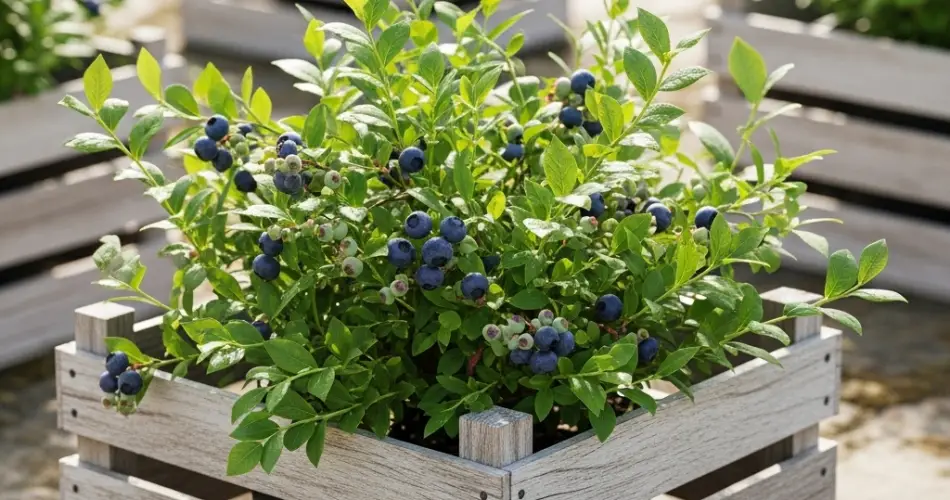
Blueberries are among the most rewarding fruits to grow at home. Not only are they delicious and nutritious, but they also bring beauty to a garden with their delicate spring blossoms, lush green leaves, and deep blue harvests. While traditional blueberry bushes can take up significant space, growing them in wooden crates offers a compact and practical solution for urban gardeners or anyone with limited room. With the right setup, wooden crates can transform balconies, patios, and small backyards into productive berry patches.
Why Choose Wooden Crates for Blueberries?
Wooden crates provide the depth and width that blueberry plants need to thrive while also offering excellent flexibility in design and placement. Unlike standard pots, crates allow for more soil volume, better insulation, and creative customization. Here are some benefits of using wooden crates:
-
Space efficiency: Perfect for compact spaces such as balconies, terraces, or narrow garden corners.
-
Portability: Crates can be shifted to maximize sun exposure or moved indoors during extreme weather.
-
Natural insulation: Wood helps regulate soil temperature better than plastic, protecting roots from rapid heat or cold changes.
-
Rustic charm: Wooden crates add an attractive, natural look to gardens, blending functionality with style.
Selecting the Right Wooden Crates
When growing blueberries, not just any crate will do. Choose sturdy, untreated wood to avoid chemicals leaching into the soil. Crates should be at least 16–20 inches deep and wide to support root growth. You can repurpose old fruit crates or build custom ones using planks. For longevity, consider lining the inside with landscape fabric to retain soil while still allowing drainage.
Preparing the Ideal Soil Mix
Blueberries are particular about soil—they require acidity to thrive. Standard garden soil is too alkaline for their needs, so preparing the correct soil mix is essential.
A proven mix includes:
-
50% peat moss or coconut coir for moisture retention and acidity.
-
30% pine bark or shredded wood chips for aeration and maintaining acidic balance.
-
20% perlite or coarse sand to ensure proper drainage.
Aim for a soil pH between 4.5 and 5.5. Use a home soil test kit to monitor pH levels, and adjust with elemental sulfur if necessary.
Planting Blueberries in Wooden Crates
-
Choose Compact Varieties: Select container-friendly types such as ‘Top Hat,’ ‘Sunshine Blue,’ or ‘Patriot.’ These varieties are naturally smaller and more productive in confined spaces.
-
Prepare the Crate: Drill drainage holes in the bottom and line the interior with landscape fabric. Place a layer of gravel or stones before adding soil mix.
-
Plant the Bush: Position the plant in the center, ensuring the crown sits level with the soil surface.
-
Add Mulch: A 2–3 inch layer of pine needles or shredded bark on top helps conserve moisture and maintain acidity.
Caring for Blueberries in Crates
1. Watering
Blueberries prefer consistently moist soil. Crates can dry out faster than ground beds, so check daily during hot weather. Avoid waterlogging, as roots are prone to rot.
2. Sunlight
Place crates in a location where plants receive at least 6–8 hours of sunlight per day. If your space has partial shade, choose varieties more tolerant of lower light.
3. Fertilizing
Feed blueberries with fertilizers designed for acid-loving plants, such as those made for azaleas or rhododendrons. Apply in early spring and again in midsummer for best results.
4. Pruning
Prune lightly in the first two years to shape the plant. Once established, remove old or weak branches each winter to encourage new, productive growth.
5. Winter Protection
In colder climates, insulate crates with straw, burlap, or even bubble wrap. Another option is to move them into a sheltered area to protect roots from freezing.
Harvesting and Enjoying Blueberries
Blueberries typically ripen in mid to late summer, depending on the variety. Fruits are ready when they turn a uniform deep blue and come off easily when gently tugged. Harvest regularly to encourage ongoing production. Beyond fresh eating, crate-grown blueberries are perfect for making jams, smoothies, pies, and even freezing for later use.
Advantages of Wooden Crate Blueberry Gardens
-
Compact design: Grow fruit in tight spaces without the need for a traditional garden bed.
-
Decorative appeal: Crates double as rustic planters, adding charm to balconies and patios.
-
Better control: You can easily manage soil conditions, moisture, and sunlight compared to in-ground planting.
-
Accessibility: Crates can be raised to waist height, reducing the need to bend during watering or harvesting.
Final Thoughts
Wooden crates open new possibilities for home gardeners who love blueberries but lack space. With careful soil preparation, the right variety, and consistent care, blueberries can thrive in these compact containers, producing delicious harvests year after year. Beyond their practicality, crate gardens add warmth and beauty to small outdoor spaces, turning even the tiniest corner into a fruitful oasis.
For those looking to combine functionality with charm, compact blueberry gardens in wooden crates are a rewarding way to enjoy homegrown fruit while making the most of limited space. With patience and proper care, your crates will soon overflow with vibrant green foliage, delicate blossoms, and the sweet reward of fresh blueberries.


