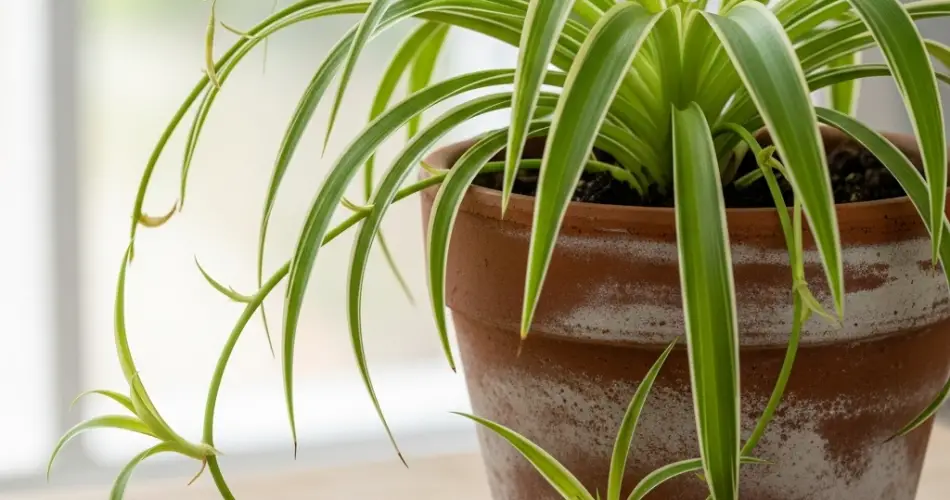
Spider plants (Chlorophytum comosum) are among the most popular houseplants, loved for their arching green-and-white striped leaves and their ability to thrive with relatively little fuss. They are known to adapt well to different conditions, making them a go-to choice for beginners and seasoned gardeners alike. However, like all plants, spider plants can occasionally develop problems that affect their appearance and overall health. The good news is that most issues are easy to identify and resolve with the right care.
In this article, we’ll explore common spider plant problems and practical solutions to restore your plant to vibrant health.
1. Brown Leaf Tips
One of the most frequent issues with spider plants is brown, crispy tips on the leaves. While this doesn’t usually threaten the plant’s survival, it can affect its beauty.
Causes:
-
Fluoride or chlorine in tap water
-
Low humidity
-
Over-fertilizing
-
Irregular watering
Solutions:
Switch to distilled, filtered, or rainwater to prevent chemical buildup. If low humidity is the issue, increase moisture in the air by placing a tray of water with pebbles near the plant or using a humidifier. Over-fertilization can also cause tip burn, so feed sparingly—typically once a month during the growing season with a balanced, diluted fertilizer. Always water evenly, keeping the soil slightly moist but not soggy.
2. Yellowing Leaves
Yellowing leaves can be worrying, especially when several are affected at once.
Causes:
-
Overwatering leading to root rot
-
Poor drainage
-
Natural aging of older leaves
Solutions:
Check the soil: if it feels consistently wet, your plant may be sitting in excess water. Ensure the pot has drainage holes and use a well-draining soil mix. Allow the top inch of soil to dry before watering again. If only a few older leaves are yellowing while new growth looks healthy, this may simply be part of the plant’s natural cycle, and those leaves can be trimmed away.
3. Pests on Spider Plants
Although spider plants are fairly pest-resistant, they can occasionally attract unwanted visitors such as spider mites, aphids, or mealybugs.
Signs:
-
Sticky residue on leaves
-
Tiny webs
-
Cotton-like patches
-
Distorted or curling leaves
Solutions:
Wipe down the leaves with a damp cloth to remove pests manually. For larger infestations, spray the plant with insecticidal soap or a neem oil solution. Repeat treatments weekly until pests are gone. Isolating the affected plant from others can also prevent the problem from spreading.
4. Drooping or Limp Leaves
Spider plants are typically perky, with leaves arching gracefully. If they look limp or droopy, something is wrong.
Causes:
-
Underwatering or overwatering
-
Low light
-
Crowded roots
Solutions:
Check the soil moisture. If the soil is bone-dry, water thoroughly and let excess drain out. If it is soggy, reduce watering and ensure proper drainage. Make sure your spider plant is receiving bright, indirect light—too much shade can lead to weak, floppy leaves. If the roots have completely filled the pot, it may be time to repot the plant into a container that is one size larger.
5. Stunted Growth
Spider plants usually grow quickly, producing new leaves and plantlets. If growth has slowed or stopped, it may be a sign of stress.
Causes:
-
Lack of nutrients
-
Low light levels
-
Root-bound conditions
-
Cold drafts
Solutions:
Fertilize once a month during the growing season with a diluted houseplant fertilizer to restore nutrients. Move the plant to a brighter location, avoiding direct sun that could scorch the leaves. If roots are tightly packed, repot with fresh soil to provide space for growth. Keep spider plants away from cold windows or drafty areas, as they prefer temperatures between 60°F and 75°F (15°C–24°C).
6. Fewer or No Plantlets
One of the most exciting features of spider plants is their ability to produce baby spiderettes, which can be propagated into new plants. If your spider plant isn’t producing them, it may be a care issue.
Causes:
-
Insufficient light
-
Too much fertilizer
-
Immaturity of the plant
Solutions:
Make sure the plant receives several hours of bright, indirect light daily. Over-fertilization can reduce spiderette production, so cut back on feeding if necessary. Also, patience may be required—young spider plants need to mature before they start producing plantlets.
Final Thoughts
Spider plants are tough, forgiving houseplants, but they do occasionally face challenges such as brown tips, yellow leaves, pests, or stunted growth. Most of these problems are caused by environmental conditions like watering habits, soil quality, or light exposure. By carefully observing the signs and making small adjustments, you can restore your spider plant’s vitality.
With proper care—balanced watering, adequate light, occasional feeding, and well-draining soil—your spider plant will reward you with lush green foliage and an abundance of baby plantlets, making it one of the most satisfying houseplants to grow and share.