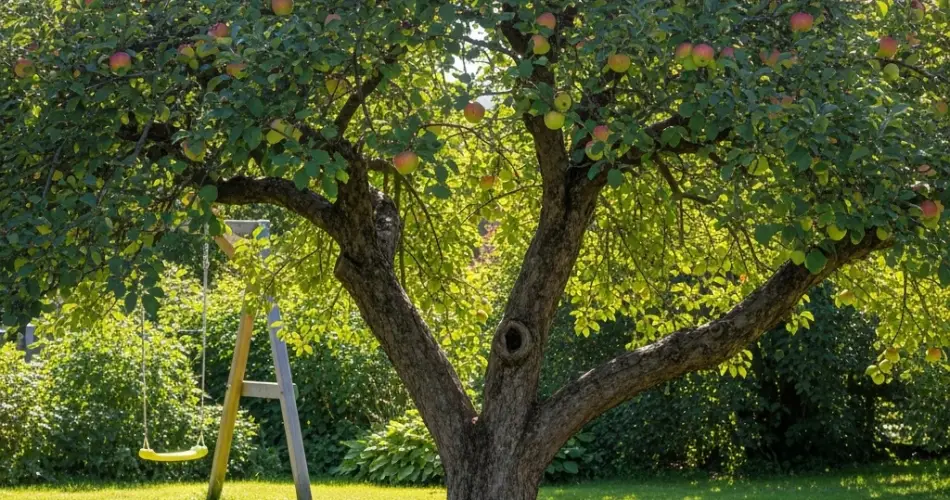
Apple trees are a delightful addition to any garden, offering beautiful spring blossoms and sweet, crisp fruit in the fall. However, like all fruit trees, they are susceptible to various diseases that can affect their health, appearance, and productivity. Fortunately, many of these problems can be managed effectively with early detection and the right treatment methods.
Below is a guide to the most common apple tree diseases, how to identify them, and how to treat and prevent them for a healthier harvest.
1. Apple Scab
Symptoms:
-
Olive-green or brown spots on leaves and fruit
-
Leaves may curl and fall prematurely
-
Fruits develop scabby, cracked surfaces
Cause:
A fungal infection caused by Venturia inaequalis, which thrives in cool, wet spring weather.
Treatment and Prevention:
-
Remove and destroy infected leaves and fruit in the fall to prevent overwintering spores.
-
Prune trees to improve air circulation and reduce moisture buildup.
-
Apply a fungicide spray in early spring, especially during rainy seasons.
-
Use resistant apple varieties such as ‘Liberty’ or ‘Enterprise’.
2. Powdery Mildew
Symptoms:
-
White, powdery coating on young leaves, buds, and shoots
-
Leaves may curl, distort, or turn brown
-
Buds may fail to open or produce fruit
Cause:
A fungus called Podosphaera leucotricha, which thrives in dry, warm conditions and overwinters in dormant buds.
Treatment and Prevention:
-
Prune and destroy affected shoots and buds in late winter or early spring.
-
Ensure good airflow by thinning branches.
-
Apply sulfur-based fungicides or horticultural oils before bud break.
-
Avoid overhead watering, which can encourage disease spread.
3. Fire Blight
Symptoms:
-
Sudden wilting and blackening of blossoms and twigs, resembling scorched branches
-
Oozing cankers on branches or trunk
-
Fruit may shrivel and cling to the tree
Cause:
A bacterial infection caused by Erwinia amylovora, spread by insects, rain, or contaminated tools.
Treatment and Prevention:
-
Prune infected branches at least 12 inches below visible damage, sterilizing tools between cuts.
-
Avoid high-nitrogen fertilizers, which promote soft, vulnerable growth.
-
Apply copper-based sprays during bloom to reduce bacterial activity.
-
Remove affected plant material from the site to prevent reinfection.
4. Cedar Apple Rust
Symptoms:
-
Bright yellow-orange spots on leaves and fruit
-
Infected leaves may fall prematurely
-
Galls form on nearby junipers, releasing orange tendrils in spring
Cause:
A fungal disease caused by Gymnosporangium juniperi-virginianae, which requires both apple trees and junipers to complete its life cycle.
Treatment and Prevention:
-
Remove nearby juniper trees or prune out galls if present.
-
Apply fungicides early in the season before rust spores are released (typically in spring).
-
Choose resistant apple varieties like ‘Redfree’ or ‘Pristine’.
-
Rake and destroy fallen leaves in autumn.
5. Bitter Rot
Symptoms:
-
Circular, sunken brown spots on fruit
-
Lesions develop concentric rings and emit a bitter smell
-
Fruit may rot on the tree or drop prematurely
Cause:
Fungal pathogens (Colletotrichum spp.) that infect through wounds or during wet, humid conditions.
Treatment and Prevention:
-
Remove and destroy infected fruit and fallen debris.
-
Prune to allow light and airflow into the tree’s canopy.
-
Use fungicides during periods of high humidity or after heavy rain.
-
Avoid injuries to fruit caused by insects or handling.
6. Black Rot
Symptoms:
-
Leaf spots with purple borders and brown centers
-
Fruit shows dark, firm rot with concentric rings (frog-eye rot)
-
Cankers develop on branches and trunk
Cause:
A fungus (Botryosphaeria obtusa) that thrives in warm, humid environments and spreads via spores.
Treatment and Prevention:
-
Prune and remove infected branches and mummified fruit.
-
Sanitize pruning tools between cuts.
-
Apply fungicides in spring and summer if conditions are favorable for disease.
-
Keep the tree healthy through proper nutrition and pruning.
7. Canker Diseases
Symptoms:
-
Sunken, cracked areas on bark
-
Gum oozing from the site
-
Branch dieback above the infected area
Cause:
Various fungi or bacteria that enter through wounds or damaged tissue.
Treatment and Prevention:
-
Prune affected branches during dry weather, cutting several inches below the canker.
-
Sterilize tools between cuts.
-
Improve tree vigor with good watering, fertilizing, and pruning practices.
-
Avoid injuring the bark during maintenance or harvesting.
General Tips for Disease Prevention
-
Proper spacing and pruning improve airflow and sunlight penetration, which discourages fungal growth.
-
Sanitation is key. Remove fallen leaves, fruit, and prunings from around the tree to reduce sources of infection.
-
Monitor your trees regularly. Early detection makes treatment easier and more effective.
-
Choose disease-resistant varieties suited to your local climate.
-
Use organic or chemical sprays judiciously, following label directions and targeting critical periods such as bud break or bloom.
Final Thoughts
Apple trees are resilient, but they do need regular care and attention to remain healthy and productive. By learning to recognize common diseases and taking preventive action, you can protect your trees and enjoy a beautiful harvest for years to come. With proper pruning, sanitation, and timely treatment, your apple tree can thrive—even in the face of seasonal challenges.


