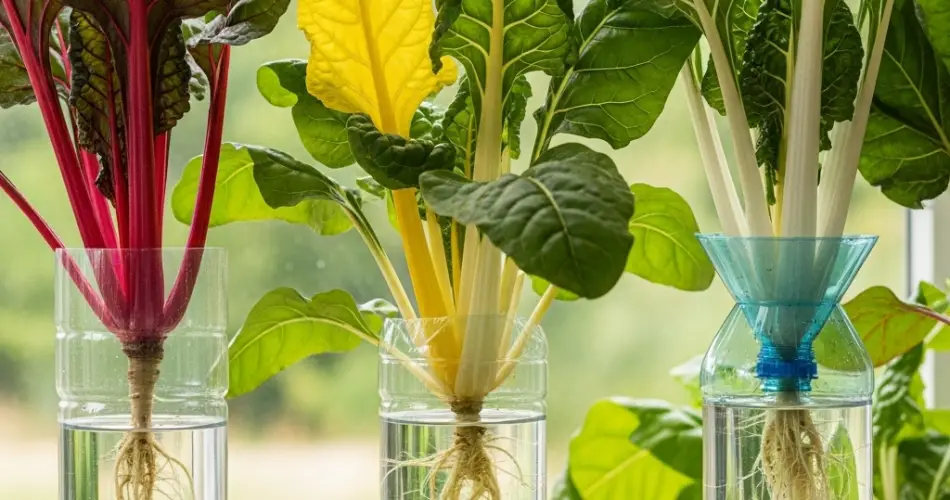
Swiss chard is a beautiful and versatile leafy green that not only adds flavor and nutrition to your meals but also brings vibrant color to your growing space. With stems in shades of red, yellow, orange, and pink, it’s a showpiece plant that’s easy to grow even without a garden. Using clear plastic bottles, you can produce fresh Swiss chard shoots right on your balcony, windowsill, or kitchen counter. This method is simple, low-cost, and perfect for urban gardeners or anyone with limited space.
Why Swiss Chard is Great for Bottle Growing
Swiss chard has a shallow but strong root system, making it well-suited to container cultivation. It’s hardy, can tolerate a wide range of temperatures, and produces over a long period. The cut-and-come-again nature of the plant means you can harvest leaves multiple times from the same plant, making it a productive choice for small spaces. Clear bottles allow you to monitor soil moisture levels easily and make the most of available light.
Choosing the Right Variety
Swiss chard varieties vary in leaf color, texture, and growth habit. For bottle growing, compact or baby leaf types are ideal, but even standard varieties adapt well. Popular choices include:
-
Bright Lights – A colorful mix with red, pink, yellow, and white stems.
-
Fordhook Giant – Large green leaves with white stems, great for cooking.
-
Ruby Red – Deep red stems and veins with crinkled leaves.
If you want maximum visual impact, choose a colorful mix for your bottles.
Preparing Your Bottle Planters
-
Select the Bottle – Use a 1.5–2-liter clear plastic bottle that’s clean and free of labels.
-
Cut the Bottle – Slice horizontally about one-third from the top. The bottom becomes the planter; the top can be inverted as a funnel for watering.
-
Add Drainage Holes – Puncture 4–6 small holes in the base to prevent waterlogging.
-
Optional Self-Watering Setup – Thread a cotton wick through the neck into a reservoir below to maintain even soil moisture.
Soil Preparation
Swiss chard prefers rich, well-draining soil with plenty of organic matter. A good mix for bottles is:
-
50% potting soil
-
30% coco coir or peat moss
-
20% compost or worm castings
Before planting, mix in a small amount of slow-release organic fertilizer to support long-term growth.
Planting Swiss Chard in Bottles
-
Fill the Planter – Add the soil mix to the bottle base, leaving about 3 cm from the top.
-
Sow the Seeds – Plant 2–3 seeds about 1.5 cm deep in the center of the bottle.
-
Water Gently – Moisten the soil evenly without overwatering.
-
Germination – Swiss chard seeds usually sprout in 5–10 days under optimal conditions.
Light and Temperature
Swiss chard thrives with 4–6 hours of direct or bright indirect sunlight daily. In hot climates, provide partial shade in the afternoon to prevent leaf scorching. It grows best between 10–26°C (50–78°F) but can tolerate light frost, making it a versatile choice for many regions.
Care and Maintenance
-
Thinning – Once seedlings have 2–3 true leaves, thin to keep the strongest plant in each bottle.
-
Watering – Keep soil consistently moist but not soggy. Check bottles daily, especially in warm weather.
-
Fertilizing – Feed every 2–3 weeks with diluted liquid organic fertilizer to promote lush leaves and strong stems.
-
Cleaning – Remove any yellow or damaged leaves promptly to maintain plant health.
Harvesting Swiss Chard Shoots
Baby Swiss chard leaves can be harvested 25–30 days after planting, while mature leaves are ready in 45–60 days. Use the cut-and-come-again method:
-
Snip outer leaves about 2–3 cm above the base.
-
Leave the central growing point intact so new leaves can form.
-
Harvest regularly to encourage continuous growth.
For a steady supply, plant new bottles every two weeks.
Troubleshooting Common Issues
-
Leggy Seedlings – Usually caused by insufficient light; move plants to a brighter location.
-
Pale Leaves – May indicate nutrient deficiency; apply a balanced fertilizer.
-
Pests – Leaf miners can be a problem. Remove affected leaves promptly or use floating row covers outdoors.
Benefits of the Bottle Method for Swiss Chard
-
Perfect for small spaces and urban gardening
-
Recycles plastic bottles, reducing waste
-
Easy to move plants for optimal light or weather protection
-
Conserves water compared to traditional beds
-
Produces both decorative and edible plants
Final Tips for Success
Rotate your bottles every few days to ensure even light exposure. In cooler months, you can grow Swiss chard indoors with a sunny window or LED grow lights. Keep your bottles clean between plantings to avoid disease buildup. By staggering planting times, you can enjoy a constant supply of colorful leaves for months.
With just a clear bottle, a few seeds, and a little care, you can grow beautiful, nutrient-rich Swiss chard shoots that brighten your home and enhance your meals. Whether you’re adding them to salads, sautés, or soups, you’ll have fresh greens right at your fingertips year-round.


