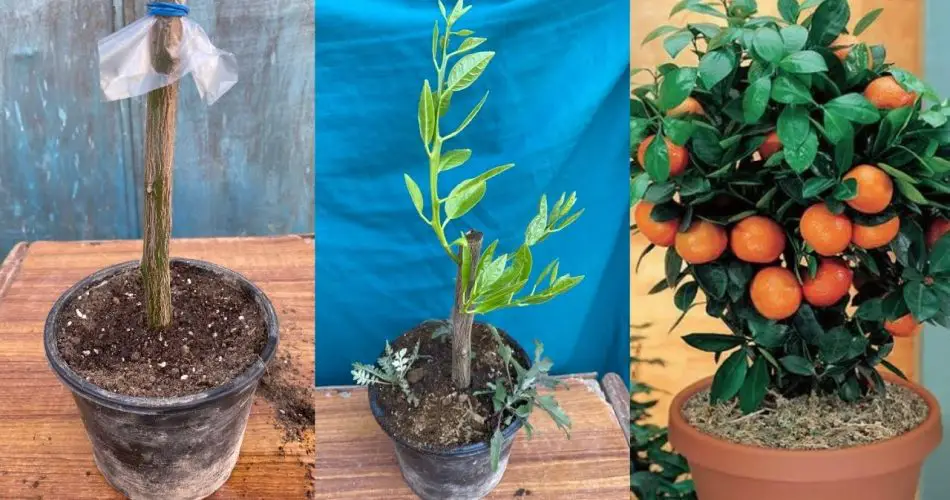
If the idea of cultivating your own citrus grove without spending a penny excites you, you’re in for a treat! Propagating lemon and orange plants from cuttings is not only cost-free but also a unique and rewarding gardening adventure. Let’s explore this distinctive method to grow citrus trees at home.
1. Gather Your Supplies: For this budget-friendly propagation technique, all you need are fresh lemon and orange cuttings, a sharp knife or pruning shears, a small pot, well-draining potting soil, and a clear plastic bag.
2. Choose Healthy Citrus Cuttings: Select healthy, disease-free cuttings from established lemon and orange plants. Opt for branches that are about 6-8 inches long and have several sets of leaves.
3. Preparing the Cuttings: Use your sharp knife or pruning shears to make clean cuts just below a leaf node. Remove any excess leaves, leaving a few at the top to support photosynthesis.
4. Dip in Honey (Optional): For an added boost, you can dip the cut end of each citrus cutting in honey. Honey acts as a natural antiseptic and may promote root development.
5. Planting the Cuttings: Fill a small pot with well-draining potting soil. Make holes in the soil using a stick or your finger, and insert the cut ends of the citrus cuttings. Plant multiple cuttings in the same pot, ensuring they are spaced apart.
6. Watering and Covering: Water the soil thoroughly after planting, and cover the pot with a clear plastic bag to create a mini greenhouse effect. This helps maintain humidity and encourages successful rooting.
7. Place in Indirect Sunlight: Position the pot in a location with bright, indirect sunlight. Citrus plants thrive with at least 6 hours of sunlight per day.
8. Maintain Moisture: Keep the soil consistently moist, but not waterlogged. Check the moisture level regularly and water when the top inch of soil feels dry.
9. Observe Root Development: Over the next few weeks, monitor your citrus cuttings for signs of root development. Once you notice new growth, it’s an indication that the cuttings have successfully rooted.
10. Transplanting to Larger Containers: When your citrus plants have developed strong roots and grown several inches tall, they are ready to be transplanted into larger containers or directly into your garden.
11. Enjoy the Fruits of Your Labor: With a bit of patience and care, you’ll soon have your own citrus trees flourishing, ready to reward you with the vibrant flavors of homegrown lemons and oranges.
This unique and cost-free method of propagating lemon and orange plants from cuttings not only saves you money but also provides the satisfaction of nurturing your own citrus grove. Get ready to enjoy the sweet and tangy goodness of homegrown citrus fruits! Happy propagating!