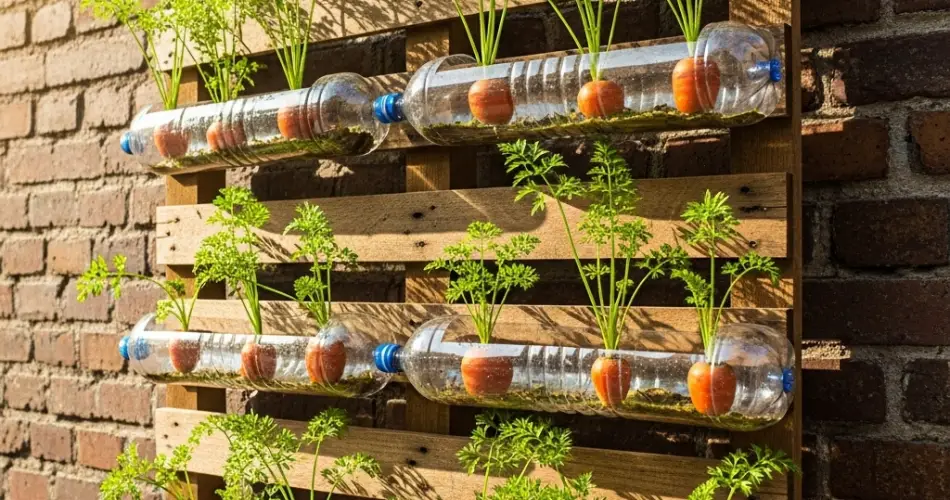
Carrots are a staple in many kitchens, prized for their sweet, crisp texture and versatility in cooking. While traditionally grown in garden beds or large containers, carrots can also thrive in an innovative vertical gardening system using wall-mounted plastic bottles. This method saves space, repurposes waste materials, and adds a visually appealing element to your garden wall or balcony. It’s an excellent solution for those with limited ground space but still want a steady supply of fresh, homegrown carrots.
Why Choose Wall Bottle Gardening for Carrots
Vertical bottle gardening offers several advantages over conventional methods:
-
Space Efficiency – By growing carrots vertically, you can make use of unused wall space instead of horizontal garden beds.
-
Recycling and Sustainability – Repurposing plastic bottles reduces waste and gives them a functional second life.
-
Pest and Weed Control – Elevating the plants can reduce exposure to ground pests and minimize weed growth.
-
Easy Harvesting and Maintenance – Carrots grown in bottles are easier to manage, as each plant has its own contained growing area.
This method works best for smaller or medium-sized carrot varieties, which mature well in the limited depth of a bottle’s soil.
Materials You’ll Need
To start your vertical carrot garden, gather:
-
2-liter or larger plastic bottles
-
A sharp cutter or scissors
-
Potting mix rich in organic matter and well-draining
-
Carrot seeds (choose shorter root varieties for best results)
-
String, wire, or nails for wall mounting
-
A watering can or spray bottle
Preparing the Bottles
-
Cut the Bottle Open – Lay the bottle horizontally and cut a rectangular opening along one side, leaving enough plastic around the edges to hold soil in place.
-
Create Drainage Holes – Puncture small holes in the bottom to prevent waterlogging, which can cause root rot.
-
Mounting the Bottles – Decide whether to hang bottles individually or attach them in rows. Secure them firmly with string, wire, or screws so they can hold the weight of moist soil and growing plants.
Planting the Carrots
-
Prepare the Soil – Carrots prefer loose, sandy, and nutrient-rich soil. Avoid heavy clay, which can hinder root growth and cause misshapen carrots.
-
Fill the Bottles – Add soil to each bottle, leaving about 2–3 cm from the top to prevent spillage during watering.
-
Sow the Seeds – Plant carrot seeds directly into the soil, spacing them about 2–3 cm apart. Carrots don’t transplant well, so direct sowing ensures healthier root development.
-
Cover Lightly – Sprinkle a thin layer of soil over the seeds and mist gently with water to settle them in.
Caring for Your Vertical Carrot Garden
-
Watering – Keep the soil evenly moist, especially during germination. Bottles can dry out quickly, so check moisture levels daily.
-
Sunlight – Place your bottle garden where it will receive at least 6–8 hours of direct sunlight daily.
-
Thinning – Once seedlings are about 5 cm tall, thin them so that each carrot has enough space to grow straight and healthy.
-
Feeding – Apply a balanced liquid fertilizer every two to three weeks to support healthy foliage and root development.
Harvesting Your Vertical Carrots
Carrots are typically ready for harvest 60–80 days after sowing, depending on the variety. The tops should be well-developed and bright green, and the shoulders of the carrots may start to peek above the soil. Gently loosen the soil with your fingers and pull the carrots out carefully to avoid breaking the roots.
Tips for Success
-
Choose compact carrot varieties like ‘Paris Market’ or ‘Thumbelina’ for best results in shallow containers.
-
Rotate the bottles occasionally if one side receives more sunlight than the other to ensure even growth.
-
Keep an eye out for pests such as aphids, and use natural controls if needed.
By turning unused wall space into a productive vertical carrot garden, you can enjoy fresh, organic produce while also making your space greener and more sustainable. This method blends creativity with practicality, proving that even root vegetables like carrots can thrive in unconventional growing systems. With a little preparation and care, you’ll have a vibrant wall of edible plants right at home.


