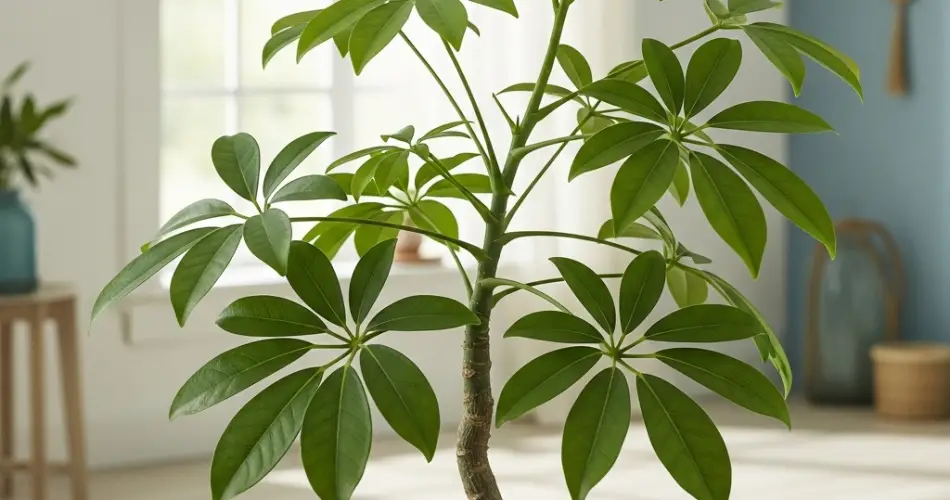
The umbrella tree, also known as Schefflera arboricola or dwarf umbrella plant, is a popular indoor houseplant loved for its glossy green leaves that radiate out like the spokes of an umbrella. Its graceful shape and relatively easy care have made it a favorite for homes, offices, and indoor gardens. But one common question plant owners ask is: Can umbrella trees survive in low light conditions?
The short answer is yes—umbrella trees can tolerate low light, but they won’t thrive at their best without adequate brightness. Understanding how light affects this plant is key to keeping it healthy, even in less-than-ideal environments.
Native Habitat and Light Preferences
To understand why light matters for umbrella trees, it helps to look at their natural habitat. In the wild, Schefflera arboricola grows in the tropical regions of Taiwan and Hainan. There, they experience bright, indirect sunlight filtered through taller trees and occasional periods of shade.
This natural adaptation explains why they can tolerate a range of lighting conditions indoors. Still, their preference leans toward bright, indirect light, which supports steady growth and maintains their lush, vibrant foliage.
Can Umbrella Trees Survive in Low Light?
Yes, umbrella trees can survive in low light, but it is important to manage expectations. In low-light rooms—such as spaces with small windows, north-facing light, or filtered light through curtains—they will continue to live, but their growth slows down.
When kept in such conditions:
-
The plant may become leggy, with longer stems stretching toward the light.
-
Leaves may grow smaller and lose some of their deep green color.
-
Growth overall may become slower, with fewer new shoots.
So while survival in low light is possible, optimal health and appearance require more consistent brightness.
What Happens to Umbrella Trees in Low Light?
Placing an umbrella tree in a dim space for extended periods may lead to noticeable changes:
-
Stretched growth – Stems may lengthen unnaturally, making the plant appear less full.
-
Leaf drop – Lower leaves may yellow and fall as the plant conserves energy.
-
Dull appearance – The glossy, rich green leaves may fade in color.
-
Weaker structure – Without enough light, stems may become weak and floppy.
These signs don’t mean the plant is dying, but rather that it’s struggling to adapt.
Tips for Growing Umbrella Trees in Low Light
If your space doesn’t get much natural sunlight but you’d still like to keep an umbrella tree, there are practical steps you can take to help it thrive:
-
Choose the right location
Place your plant as close to a window as possible, even in low-light rooms. A north-facing window or a shaded east-facing window works better than a completely dark spot. -
Use artificial light
Grow lights are an excellent solution. A few hours of supplemental fluorescent or LED light each day can make a huge difference. -
Rotate the plant
Turn the pot every two weeks so that all sides get equal exposure to available light. This prevents leaning. -
Avoid overwatering
Low light slows down growth and evaporation, meaning soil stays wet longer. Always check the top inch of soil before watering to avoid root rot. -
Prune regularly
Trim leggy stems to encourage fuller, bushier growth even if the plant is stretching toward the light. -
Keep leaves dust-free
Clean leaves allow for better light absorption, which is especially important in dim conditions.
When Low Light Isn’t Enough
Sometimes, the available light may be too little for an umbrella tree to survive long-term. If you notice severe leaf drop, very pale foliage, or weak stems, it may be time to move your plant to a brighter room. Even indirect light from a sheer-curtained south or west-facing window is far better than prolonged dimness.
Benefits of Keeping Umbrella Trees Indoors
Even though light can be a challenge, umbrella trees offer many benefits as houseplants:
-
Air purification – Like many indoor plants, they help filter toxins and freshen the air.
-
Elegant foliage – Their umbrella-shaped leaf clusters add a tropical, decorative touch.
-
Adaptability – They can handle varied light levels better than many other houseplants.
-
Compact options – Dwarf varieties fit well in small spaces while still adding greenery.
Final Thoughts
Umbrella trees are versatile and forgiving plants that can indeed survive in low light, though their growth may be slower and less vibrant compared to when they’re kept in brighter environments. If your home or office has limited natural light, they’ll still adapt, but to see them flourish, aim for bright, indirect light whenever possible.
With careful watering, occasional pruning, and supplemental lighting if needed, your umbrella tree can remain a striking, low-maintenance addition to your indoor garden—even in rooms where sunlight is scarce.


