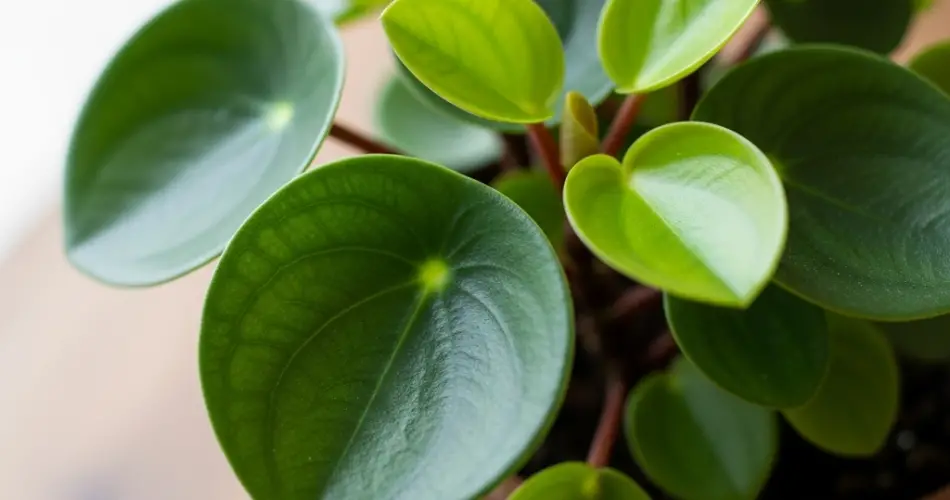
Peperomia plants are a diverse group of small, attractive houseplants that have gained popularity for their ornamental foliage and easy care requirements. With more than 1,000 species in the genus, peperomias come in many shapes, sizes, and colors—ranging from thick, succulent-like leaves to patterned, textured varieties. Their compact growth habit and adaptability make them excellent choices for apartments, offices, or cozy corners of the home.
But one question plant lovers often ask is: Can peperomia grow in low light rooms? The good news is yes—many peperomia species tolerate low light conditions, though their growth and appearance may be affected if light levels are too dim. Let’s explore how peperomias respond to low light, what changes to expect, and how to help them thrive even in less-than-ideal conditions.
Natural Habitat and Light Preferences
Peperomias are native to tropical and subtropical regions of Central and South America, where they often grow beneath forest canopies. In these shaded habitats, they are naturally adapted to lower light levels compared to plants that thrive in open, sunny areas. This explains why they adjust so well to indoor environments.
Their ideal indoor location is one with bright, indirect light. For example, near an east-facing window with gentle morning sun or a north-facing window that provides steady, soft light. While they can survive in dimmer conditions, bright indirect light brings out the best in their leaf colors, patterns, and overall growth.
Can Peperomia Grow in Low Light?
Yes, peperomia can grow in low light rooms, but with certain limitations. They won’t produce rapid growth or vibrant leaf patterns in such conditions, yet they remain healthy and decorative. In fact, their ability to survive in less-than-perfect lighting makes them a great option for offices, bathrooms with windows, or shaded corners of living rooms.
Here’s how different light levels affect them:
-
Bright, indirect light: Best conditions for growth, strong leaf color, and compact shape.
-
Medium light: Growth slows, but plants remain healthy.
-
Low light: Survival is possible, but leaves may lose some vibrancy, growth slows further, and plants may look less full.
-
No light at all: Not sustainable. Like all plants, peperomias need at least some light source to survive.
What Happens in Low Light?
In low-light conditions, peperomia plants may show noticeable changes in their appearance and growth:
-
Slower growth: Fewer new leaves emerge.
-
Faded or dull leaves: Variegated or patterned varieties may lose some of their distinctive markings.
-
Leggy stems: Plants may stretch toward the nearest light source.
-
Smaller leaves: New foliage may not reach the typical size.
While these changes don’t mean the plant is unhealthy, they do show that it’s conserving energy in a low-light environment.
Tips for Growing Peperomia in Low Light Rooms
If you want to keep your peperomia thriving in dimly lit spaces, here are some helpful tips:
-
Choose suitable varieties
Solid green varieties, such as Peperomia obtusifolia (baby rubber plant), handle low light better than heavily variegated ones. -
Supplement with artificial light
If natural light is very limited, place your plant under fluorescent lights or LED grow lights for 8–10 hours daily. -
Avoid overwatering
In low light, the soil dries more slowly. Let the top inch of soil dry before watering again to prevent root rot. -
Rotate the plant
Turn the pot every couple of weeks to keep growth even and prevent leaning. -
Keep leaves clean
Wipe off dust so the plant can make the most of whatever light it receives. -
Maintain stable conditions
Peperomias dislike cold drafts and sudden temperature changes. Keep them in a warm, steady spot.
When Low Light Isn’t Enough
If your peperomia starts to look unhealthy—yellowing leaves, very sparse growth, or drooping stems—it may need more light than it’s receiving. Moving it closer to a window with filtered light or providing artificial light can restore its health and encourage fuller growth.
Benefits of Growing Peperomia in Low Light
-
Compact size: Perfect for desks, shelves, or small rooms.
-
Variety of leaf shapes and colors: Even in dim light, they remain decorative.
-
Low maintenance: They don’t demand constant care or attention.
-
Air-purifying qualities: Like many houseplants, they contribute to a healthier indoor environment.
Final Thoughts
Peperomias are versatile, resilient plants that can adapt to low-light rooms better than many other houseplants. While they may not grow as vigorously or display their most vibrant colors in dim conditions, they will continue to survive and add beauty to your space.
If you want your peperomia to truly thrive, provide bright, indirect light whenever possible. But if your room is on the shadier side, rest assured that this hardy little plant will still bring charm and greenery into your home. With a bit of care and attention, peperomias prove that even in low light, houseplants can flourish.


