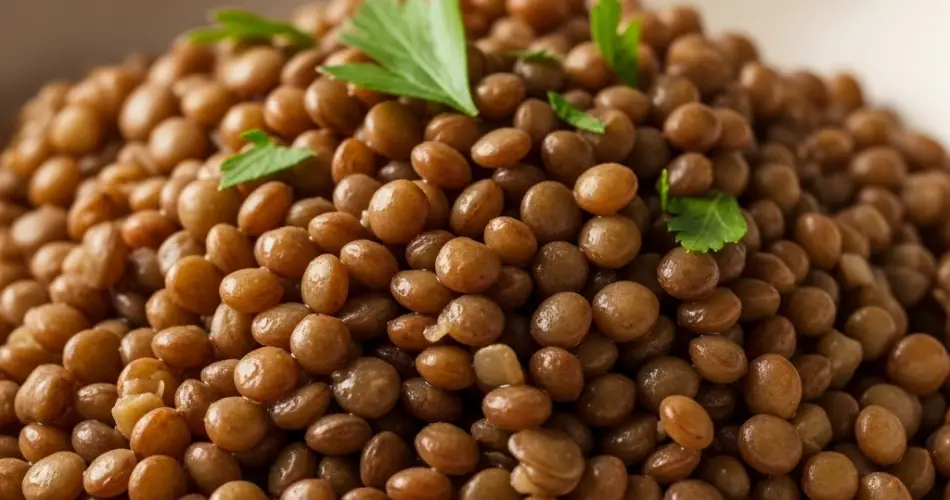
Urban gardening is growing in popularity as more people look for sustainable and natural ways to care for their plants. One surprisingly effective method is using raw lentils as a homemade fertilizer. Yes, you read that right—those humble legumes in your pantry can boost plant growth and improve soil health. Here’s how and why it works, and how you can use this trick in your garden.
Why Lentils?
Lentils are packed with nutrients that can benefit your plants. As legumes, they are rich in nitrogen, which is essential for healthy leaf and stem growth. Lentils also contain a variety of micronutrients like phosphorus, potassium, magnesium, and calcium. When they decompose in the soil, they release these nutrients slowly, providing a natural and balanced feed for your plants.
But what really makes lentils stand out is their ability to promote root development. They contain natural growth hormones such as auxins, which help plants develop stronger root systems. Strong roots mean healthier, more resilient plants.
How to Use Raw Lentils as Fertilizer
There are several easy ways to use raw lentils in your garden. The simplest method is to bury them directly into the soil near your plants. Here’s a step-by-step guide:
Method 1: Direct Burying
-
Choose a spot near the base of your plant, but not too close to the stem to avoid disturbing the roots.
-
Dig a small hole about 5-7 cm (2-3 inches) deep.
-
Add a handful of raw lentils into the hole.
-
Cover with soil and water the area well.
As the lentils break down, they will enrich the soil and feed your plant. You can repeat this process once a month for ongoing benefits.
Method 2: Lentil Sprout Tea
Another option is to make a natural plant tonic using lentil sprouts:
-
Soak 2 tablespoons of lentils in water for 6–8 hours.
-
Drain the water and place the lentils in a jar or bowl covered with a cloth.
-
Let them sprout for 2–3 days, rinsing twice daily.
-
Once sprouted, blend the lentils with 1 liter of water.
-
Strain the mixture and use the liquid to water your plants.
This “lentil tea” acts as a mild growth stimulant, ideal for seedlings or plants recovering from stress.
Method 3: Ground Lentil Fertilizer
You can also grind dry lentils into a coarse powder and mix it into your potting soil or garden bed. This method is useful when planting new seedlings:
-
Grind raw lentils using a blender or food processor.
-
Mix 2–3 tablespoons of the powder into the planting hole or soil.
-
Plant as usual and water.
The ground lentils release nutrients gradually, promoting steady growth.
Benefits of Using Lentils in Your Garden
-
Natural Nitrogen Boost: Lentils, like other legumes, are naturally high in nitrogen. As they decompose, they enrich the soil without the need for synthetic fertilizers.
-
Cost-Effective: Lentils are inexpensive and widely available, making them a budget-friendly fertilizer option.
-
Eco-Friendly: No chemicals or artificial additives are involved. It’s a sustainable and environmentally friendly choice.
-
Improved Soil Structure: As the lentils break down, they contribute organic matter to the soil, improving its texture and water retention.
Best Plants to Use This With
While lentils are beneficial for most plants, they’re especially useful for:
-
Vegetables like tomatoes, peppers, and leafy greens.
-
Herbs such as basil, parsley, and mint.
-
Flowering plants like roses, marigolds, and petunias.
-
Indoor plants that need a gentle nutrient boost.
A Few Tips to Keep in Mind
-
Avoid placing too many lentils too close to the plant stems, as excessive decomposition in a concentrated area can temporarily affect the oxygen levels in the soil.
-
Don’t use cooked lentils—they won’t decompose properly and could attract pests.
-
Keep an eye on moisture levels. Lentils will decompose faster in moist soil, but overwatering can lead to rot or mold.
Final Thoughts
Using raw lentils in your garden is an easy, effective, and sustainable way to nourish your plants. Whether you bury them directly, turn them into a sprout tea, or grind them into fertilizer, lentils offer a natural alternative to chemical fertilizers. Try it in your garden and see the difference in plant vitality and growth.


