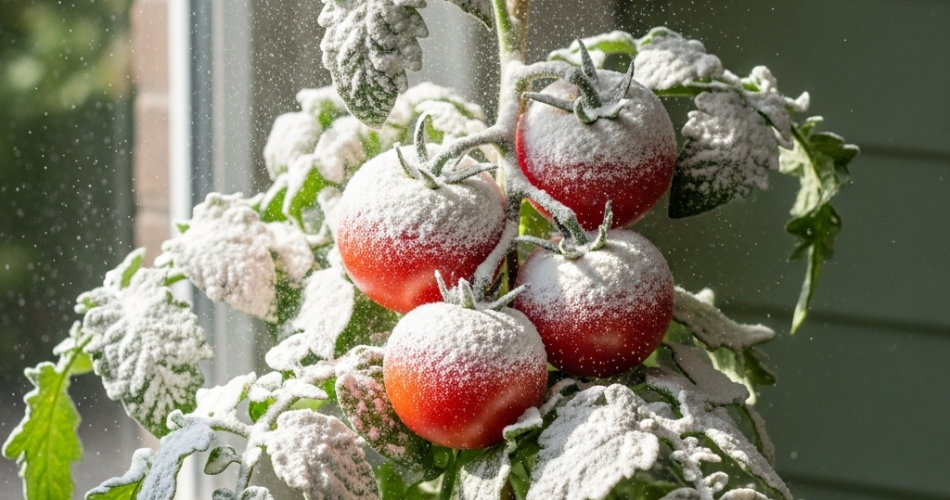
Flour is a staple in most kitchens, but did you know it can also be a secret weapon in your garden? This humble ingredient isn’t just for baking—when used correctly, it can improve soil health, deter pests, and promote the growth of healthier, more vigorous plants. Whether you garden indoors in pots or tend to a full backyard vegetable patch, burying a small amount of flour near your plants can produce surprisingly positive results.
Let’s explore how this simple gardening tip works, what types of flour are most effective, and how to use it safely and efficiently.
Why Flour in the Garden?
While flour might not seem like a natural choice for plant care, it contains organic matter that can be broken down by microorganisms in the soil. As it decomposes, flour feeds beneficial microbes and contributes to overall soil fertility. In turn, this supports plant roots, improves nutrient uptake, and helps create a thriving ecosystem beneath the surface.
Different types of flour—such as white flour, whole wheat, or even cornmeal—offer slightly different benefits, but all can contribute to healthier soil and more resilient plants when used in moderation.
Benefits of Using Flour in Your Garden
-
Feeds Soil Microorganisms
Flour contains carbohydrates and trace nutrients that serve as food for beneficial bacteria and fungi. These microorganisms break down organic matter and release nutrients in forms plants can absorb more easily. -
Improves Soil Texture
Mixed lightly into the soil, flour can help loosen compacted dirt and enhance aeration, especially when combined with other organic materials. -
Suppresses Fungal Diseases
Certain types of flour, such as whole wheat or cornmeal, have mild antifungal properties. These can help prevent or reduce issues like powdery mildew or root rot when used as part of an integrated plant care routine. -
Deters Some Garden Pests
Flour can disrupt the feeding habits of soft-bodied pests like aphids, slugs, and caterpillars. A light dusting on leaves can make them less appetizing or interfere with digestion. -
Encourages Composting Activity
If you have a compost bin or pile, adding flour can help balance nitrogen-rich food scraps and promote faster breakdown of organic material.
How to Use Flour in Your Garden
1. Direct Soil Application
For feeding soil microbes and improving soil quality:
-
Dig a small hole about 3–5 cm (1–2 inches) deep around the base of your plant.
-
Sprinkle 1–2 tablespoons of flour into the hole.
-
Cover it back with soil and water gently.
Repeat this process once every 3–4 weeks for ongoing benefits. Use less for small pots and seedlings.
2. Pest Control on Leaves
To deter soft-bodied pests:
-
Lightly dust leaves with a small amount of flour using a sieve or mesh strainer.
-
Do this early in the morning when leaves are slightly damp with dew for better adhesion.
-
Reapply after rain or watering, and rinse off excess after a few days to prevent buildup.
3. Soil Amendment for Compost
If you make your own compost:
-
Add leftover flour, stale bread, or baking leftovers in small quantities to your compost pile.
-
Combine with high-carbon materials like dry leaves or cardboard to maintain balance.
Cautions and Considerations
While flour is generally safe, overuse or improper application can lead to issues such as:
-
Mold Growth: Excess flour may clump and create a moist environment for mold or unwanted fungi.
-
Pest Attraction: Large quantities may attract ants or rodents if left exposed.
-
Clogged Soil: If used in large amounts, flour can compact and block water flow in dense soil.
Always use small amounts and mix into the soil well. Avoid using flour with added salt or preservatives that might harm plants or soil organisms.
Best Types of Flour for Gardening
Not all flour is created equal in the garden:
-
Whole Wheat Flour: Richer in nutrients and better for feeding soil microbes.
-
Cornmeal: Naturally antifungal; useful in managing certain plant diseases.
-
White All-Purpose Flour: Works well in moderation but offers fewer nutrients.
-
Rye or Barley Flour: Also beneficial, particularly in compost applications.
Avoid using self-rising flour or flours with chemical additives unless you know they are safe for plants.
Ideal Plants for This Technique
You can use this flour trick with a wide variety of plants, including:
-
Tomatoes, peppers, and leafy greens
-
Flowering annuals and perennials
-
Herbs like basil, mint, and parsley
-
Houseplants in containers
-
Fruit trees and berry bushes (in small doses)
Monitor plant response and adjust usage if you notice any unusual changes.
Final Thoughts
Sometimes, the best gardening solutions are hiding in your kitchen cabinet. Flour, when used thoughtfully, can contribute to a healthier garden by enhancing soil life, suppressing pests, and reducing fungal problems. It’s a simple, natural, and affordable way to support plant growth—especially for those who prefer organic methods and sustainable practices.
Next time you’re baking, save a bit of flour for your plants. They just might thank you with more vibrant leaves, stronger roots, and better overall health.


