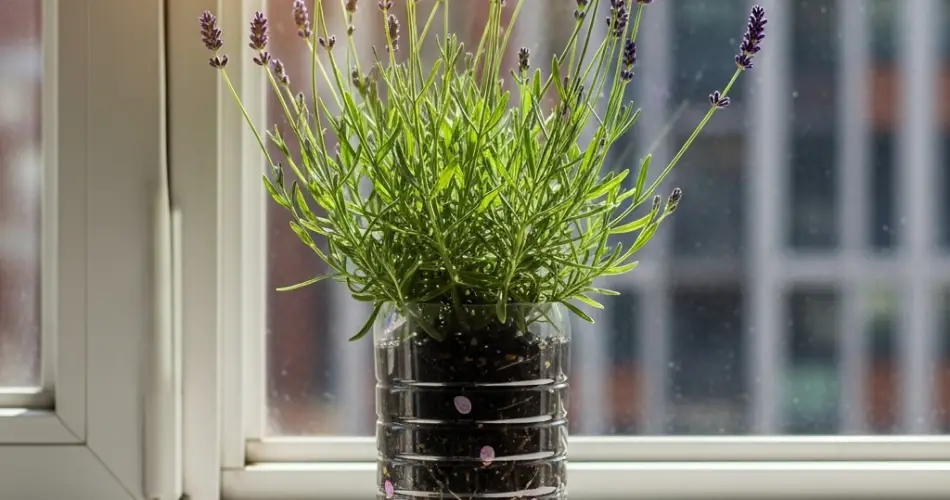
Lavender is beloved for its calming fragrance, attractive silvery foliage, and versatility in both ornamental and herbal gardens. Whether you’re growing it for homemade sachets, essential oils, or just to enjoy its scent and beauty, starting lavender from cuttings is a cost-effective and rewarding way to multiply your plants. One clever and space-saving method is propagating lavender in bottles.
Using recycled bottles as mini greenhouses offers an eco-friendly, compact solution to starting new lavender plants — especially if you’re working with limited garden space. This method encourages healthy root development while reducing the need for bulky seed trays or pots. Below is a step-by-step guide to help you propagate lavender in bottles successfully.
Why Propagate Lavender from Cuttings?
Lavender can be grown from seed, but germination is slow and unpredictable. Propagation from cuttings, on the other hand, ensures that the new plants are true to the parent variety, grow faster, and are more robust in the early stages. It’s also a great way to rejuvenate old plants or share your favorite varieties with friends and neighbors.
Bottle propagation makes the entire process cleaner and more manageable — especially for those who garden indoors or on balconies.
Materials You’ll Need
-
Clean, transparent plastic bottles (1-liter or 1.5-liter)
-
Sharp scissors or pruning shears
-
A healthy, mature lavender plant
-
Light potting mix (or a mix of perlite and peat moss)
-
Water spray bottle
-
Rooting hormone (optional, but helpful)
Step 1: Prepare the Bottles
Start by washing the bottles thoroughly to remove any residue. Then, cut each bottle in half horizontally — this creates two parts: the top acts as a dome (like a mini greenhouse), and the bottom serves as the planting container.
Poke a few small holes in the base of the bottom half to allow for drainage. You can also place a few pebbles or coarse sand at the bottom to improve drainage further.
Step 2: Take Lavender Cuttings
Choose a healthy, non-flowering stem from the lavender plant. Using sharp, clean scissors or pruning shears, snip a 4 to 6-inch stem just below a node (where the leaf joins the stem).
Remove the lower leaves from the bottom 2 inches of the stem, and if you’re using rooting hormone, dip the cut end lightly into it. This can help accelerate root development, especially in woody stems.
Step 3: Plant the Cuttings
Fill the bottom half of the bottle with moist potting mix. Make a hole in the center using a stick or your finger, then insert the cutting about 2 inches deep.
Press the soil gently around the base of the stem to ensure it stands upright. Mist the soil lightly with water using a spray bottle.
Cover the cutting with the top half of the bottle, creating a dome that helps retain humidity while allowing light in. If necessary, tape the two halves together for stability.
Step 4: Provide the Right Conditions
Place the bottle in a bright, warm location, but out of direct sunlight. Intense sun can overheat the inside of the bottle and damage the cutting. A well-lit windowsill or a shaded balcony shelf works well.
Check daily to make sure the soil remains lightly moist. If condensation disappears, mist the inside of the bottle again to maintain humidity. However, avoid letting the soil become soggy — too much moisture can cause the cutting to rot.
Step 5: Monitor Root Development
After 3 to 4 weeks, gently tug the cutting to check for resistance — a sign that roots have begun to form. Once you’re confident that roots are established, begin removing the bottle cap (if it’s still on) or slightly open the dome each day for increasing periods to help the plant acclimate to outside air.
After a few days of acclimation, you can fully remove the bottle top.
Step 6: Transplanting Your New Lavender Plant
Once the cutting has developed strong roots and shows new growth, it’s ready to be transplanted into a larger pot or directly into your garden.
Choose a container with good drainage and well-draining soil — lavender dislikes heavy, water-retentive soil. For garden planting, make sure the site receives full sun and has good airflow.
Water the plant lightly after transplanting, then gradually reduce watering to promote drought tolerance, which lavender naturally develops as it matures.
Tips for Success
-
Take cuttings in the morning, when the plant is most hydrated.
-
Avoid using flowering stems, as these can drain energy from root development.
-
For best results, propagate during spring or early summer when lavender is actively growing.
-
If your bottle greenhouse becomes too humid, open it slightly to prevent mold.
Final Thoughts
Bottle propagation is a smart, sustainable way to grow fragrant lavender at home. It’s a low-cost method that reuses plastic, saves space, and gives you control over the growing environment. Whether you’re new to gardening or simply looking for a practical way to multiply your lavender plants, this technique delivers strong, healthy starts — ready to fill your garden or patio with their calming scent and beautiful blooms.


