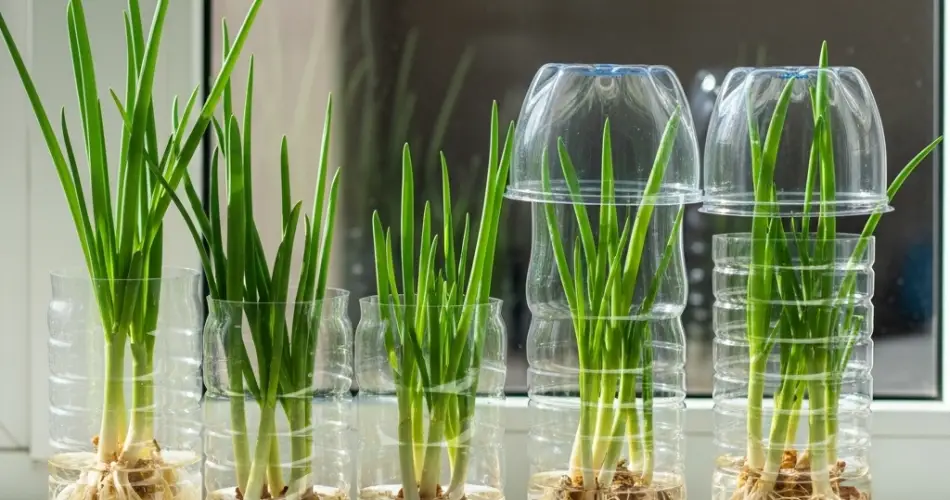
Growing scallions at home doesn’t require a large garden, special planters, or expensive materials. With a few recycled bottles and some simple preparation, you can propagate scallions successfully right in your kitchen or balcony. This method is not only cost-effective but also space-saving and environmentally friendly. By using bottles, you can easily monitor the roots, control water levels, and keep the plants tidy and contained.
Why Use Bottles for Scallion Propagation?
Plastic bottles offer several advantages for growing scallions:
-
Transparency – You can see the root growth and spot any problems like rot or pests early.
-
Space Efficiency – Bottles can be placed on windowsills, countertops, or hung vertically to save space.
-
Moisture Control – The enclosed shape helps maintain consistent moisture without waterlogging the roots.
-
Eco-Friendly – Reusing bottles reduces plastic waste and gives them a second life.
This approach works well for both regrowing scallions from kitchen scraps and starting them from seeds.
Preparing the Bottles
You will need clean, clear plastic bottles—1.5 to 2-liter sizes work best.
Steps:
-
Wash the bottles thoroughly with warm soapy water to remove any residue.
-
Cut the bottle across the middle—about two-thirds from the bottom.
-
Poke a few small holes in the bottom section for drainage.
-
If you plan to use the bottle as a mini greenhouse, keep the top part intact so you can place it back over the bottom after planting.
Option 1: Growing from Kitchen Scraps
If you have scallions with their white bulbs still attached, you can regrow them in water before transferring them into your bottle setup.
Process:
-
Trim off the green tops, leaving about 2–3 cm of the white bulb with roots.
-
Place the bulbs in a glass of water with roots submerged and bulbs above water.
-
Keep them on a sunny windowsill, changing the water every 2 days.
-
Once new green shoots reach about 10 cm, plant them in the prepared bottle with potting mix or garden soil.
Option 2: Growing from Seeds
Starting from seeds allows you to grow a larger batch at once.
Process:
-
Fill the bottle’s bottom part with a loose, well-draining mix—equal parts garden soil, compost, and sand work well.
-
Sprinkle the seeds evenly over the surface and cover lightly with soil.
-
Water gently to avoid disturbing the seeds.
-
Cover with the top half of the bottle to maintain humidity until germination.
-
Once seedlings appear, remove the cover but keep the soil moist.
Care Tips for Healthy Growth
-
Light: Place the bottles in a bright spot that receives at least 5–6 hours of sunlight daily. A south-facing window is ideal.
-
Watering: Scallions like consistent moisture but not soggy soil. Water when the top layer of soil feels dry.
-
Fertilizing: Use a diluted liquid fertilizer every 2–3 weeks to encourage lush green growth.
-
Harvesting: Cut the green tops with scissors when they are at least 15 cm tall, leaving the bulbs in place so they can regrow multiple times.
Pest and Disease Prevention
Scallions are relatively low-maintenance, but a few precautions can keep them healthy:
-
Avoid overwatering to prevent root rot.
-
Keep an eye out for aphids; if spotted, rinse them off with water or spray with a mild soapy solution.
-
Rotate your growing containers every few weeks to ensure even sunlight exposure.
Advantages of the Bottle Method for Urban Growers
For people living in apartments or places with limited outdoor space, bottle gardening offers an easy entry point into fresh vegetable production. It’s clean, compact, and adaptable to different environments. You can grow scallions indoors year-round, harvest as needed, and avoid relying on store-bought produce that loses freshness quickly.
By reusing bottles, you also help reduce plastic waste and promote sustainable gardening habits.
Final Thoughts
Propagating scallions in bottles is a straightforward, affordable, and rewarding way to enjoy fresh greens at home. Whether you start from kitchen scraps or seeds, this method provides continuous harvests with minimal effort. With just a bit of care, your scallion patch can thrive indoors, giving you crisp, flavorful stalks whenever you need them—no pots or large garden required.


