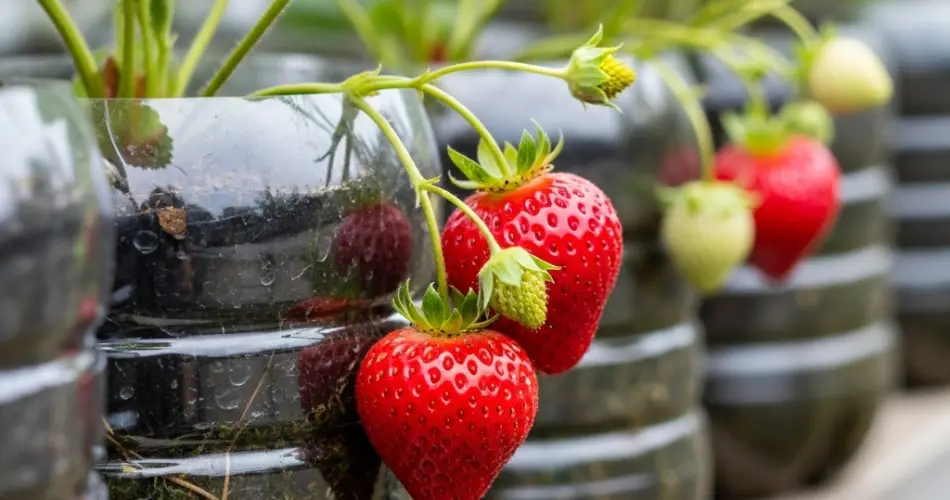

Growing strawberries at home doesn’t require a sprawling backyard or expensive containers. With a few recycled plastic bottles, some soil, and basic care, you can cultivate sweet, juicy strawberries right on your balcony, windowsill, or small patio. This method is not only affordable but also a great way to upcycle household waste into something delicious and productive.
Why Grow Strawberries in Bottles?
Strawberries are ideal for container gardening. Their shallow roots adapt well to confined spaces, and they thrive in well-drained environments—something plastic bottles can easily provide with a few modifications. Growing strawberries in bottles allows you to save money, reduce plastic waste, and enjoy fresh fruit without frequent grocery store runs.
Additionally, strawberries grown in containers are easier to protect from pests, manage watering, and relocate for better sunlight exposure. Whether you’re a beginner or a seasoned gardener, this project is simple, satisfying, and budget-friendly.
Materials Needed
To get started, gather the following items:
-
2-liter or 1.5-liter plastic bottles (transparent bottles are best)
-
A sharp utility knife or scissors
-
Potting soil rich in organic matter
-
Strawberry seedlings or bare-root plants
-
A watering can or spray bottle
-
A tray or shallow container (to catch excess water)
-
Optional: compost or slow-release fertilizer
Preparing the Bottles
-
Clean the Bottles: Wash the plastic bottles thoroughly and remove any labels. Allow them to dry completely before use.
-
Create Openings: Using a utility knife, cut off the top portion of the bottle to create an open planter. Alternatively, cut a rectangular flap on one side of the bottle to insert soil and the plant. If you’re feeling creative, make multiple side holes along the bottle for a vertical strawberry garden.
-
Add Drainage: Poke several small holes at the bottom of the bottle for proper drainage. This is crucial to prevent root rot and keep your plants healthy.
-
Base Setup: Place the bottle on a shallow tray or plate to catch draining water. This also makes it easier to move the bottle if needed.
Planting the Strawberries
-
Soil Preparation: Fill the bottle with high-quality potting mix, preferably one enriched with compost or organic fertilizer. Leave a few centimeters of space at the top to prevent water overflow.
-
Plant the Seedlings: Gently insert the strawberry seedling into the soil, ensuring the crown (where the leaves meet the roots) sits just above the soil level. Pat the soil down lightly to hold the plant in place.
-
Watering: After planting, water gently until the soil is evenly moist. Avoid overwatering—just enough to moisten the soil without soaking it. A spray bottle can help control the amount of water applied, especially for young or delicate plants.
-
Sunlight Needs: Place the bottle in a sunny location. Strawberries need at least 6 hours of sunlight daily to thrive and fruit well. A bright windowsill or balcony is ideal.
Caring for Bottle-Grown Strawberries
-
Watering: Check the soil daily, especially in warm weather. Water whenever the top layer feels dry. Be careful not to let the roots sit in water, as this can lead to fungal issues.
-
Feeding: After about 3–4 weeks, start feeding your strawberry plants with a diluted liquid fertilizer or compost tea every two weeks. This will support flowering and fruit development.
-
Pollination: If growing indoors or in a sheltered area, you may need to hand-pollinate the flowers using a soft brush or by gently shaking the plant to mimic wind or insect activity.
-
Pruning and Maintenance: Remove old or yellowing leaves to keep the plant healthy. If runners (long shoots for propagation) start forming, you can snip them off to focus the plant’s energy on fruit production or replant them in new bottles for more strawberry plants.
Harvesting and Enjoying
Strawberries typically start to fruit a few weeks after flowering. Once the berries turn fully red and give slightly when gently pressed, they’re ready to harvest. Pick the fruit carefully to avoid damaging the plant.
You’ll notice that homegrown strawberries are often more flavorful than store-bought ones. They’re fresher, naturally sweet, and free from chemical sprays. With a few plants, you can enjoy a steady supply of strawberries throughout the growing season.
Expanding Your Bottle Garden
As your confidence grows, consider expanding your setup with more bottles arranged vertically or along balcony rails. You can even create a hanging strawberry tower by stacking bottles or using string to suspend them. This maximizes growing space and adds a charming green touch to your living area.
Final Thoughts
Bottle gardening is a fun and efficient way to grow strawberries on a tight budget. It’s sustainable, practical, and perfect for urban gardeners or anyone working with limited space. With just a little care and creativity, you’ll be enjoying sweet, fresh strawberries straight from your own upcycled container garden.


