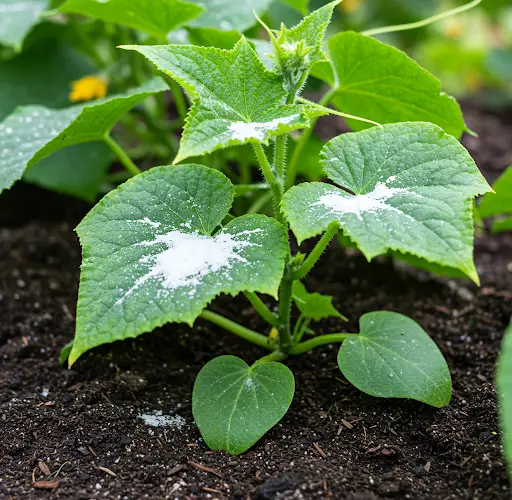
How to Use Baking Soda to Increase Cucumber Yield
Baking soda is a common household ingredient known for its versatility in cooking and cleaning, but did you know it can also be a powerful ally in the garden? As an alkaline substance with antifungal and antibacterial properties, baking soda has become an increasingly popular choice among gardeners for protecting plants from diseases and pests. It is particularly effective in preventing powdery mildew, a common issue for cucumbers. Additionally, baking soda helps deter aphids, spider mites, and other sucking pests that can damage crops.
When used correctly, baking soda poses no harm to plants, beneficial insects, or pollinators like bees. However, for best results, it should be applied before disease symptoms appear or at the very first signs of infection. Once a disease has spread extensively, baking soda treatments may not be sufficient to stop it.
Benefits of Baking Soda for Cucumber Plants
- Prevents Powdery Mildew – Powdery mildew is a fungal disease that commonly affects cucumbers, especially in warm, humid conditions. Baking soda alters the pH of the plant surface, creating an environment where fungi struggle to survive.
- Repels Pests – Many sucking pests, such as aphids and spider mites, dislike alkaline conditions. Regular applications of a baking soda solution can help keep these harmful insects at bay.
- Safe for Plants and Beneficial Insects – Unlike chemical pesticides and fungicides, baking soda is a natural, non-toxic solution that does not harm bees, butterflies, or other beneficial insects.
- Cost-Effective and Readily Available – Baking soda is inexpensive and can be found in almost every household, making it an accessible solution for gardeners.
- Enhances Cucumber Yield – By preventing disease and reducing pest pressure, baking soda allows cucumber plants to thrive, leading to higher yields and prolonged fruiting until autumn.
How to Prepare and Apply Baking Soda Solution
To create an effective baking soda spray for cucumber plants, you will need a few simple ingredients:
Ingredients:
- 10 liters of warm water
- 2 tablespoons of baking soda
- 50 grams of laundry soap (or dish soap)
Instructions:
- Dissolve two tablespoons of baking soda in ten liters of warm water. Warm water helps dissolve the soda more effectively and ensures even distribution.
- Grate 50 grams of laundry soap and dissolve it in a small amount of hot water. The soap acts as a surfactant, helping the baking soda solution adhere to the leaves for a longer-lasting effect.
- Mix the dissolved soap with the baking soda solution and stir well.
- Pour the mixture into a spray bottle or garden sprayer for easy application.
How to Use the Solution for Maximum Effectiveness
- Spray Regularly – Apply the solution every 10 to 14 days to maintain disease prevention and pest control.
- Reapply After Rain – Rain washes away protective coatings from leaves, so it is essential to reapply the spray after rainfall.
- Cover All Plant Surfaces – When spraying, ensure thorough coverage, including the undersides of the leaves, where pests and fungal spores often hide.
- Apply in the Evening – To prevent sunburn on the leaves, it is best to spray the solution in the evening when there is no direct sunlight.
Additional Tips for Cucumber Care
While baking soda is a great tool for maintaining healthy cucumber plants, combining it with other good gardening practices will further improve your yield:
- Proper Spacing – Overcrowded cucumber plants are more prone to fungal infections due to poor air circulation. Space plants appropriately to allow for good airflow.
- Water at the Base – Avoid overhead watering, as excess moisture on the leaves promotes fungal growth. Instead, water at the base of the plants in the early morning.
- Mulch for Moisture Control – Applying mulch around cucumber plants helps retain soil moisture, suppress weeds, and reduce the risk of disease.
- Rotate Crops – Avoid planting cucumbers in the same location each year to prevent soil-borne diseases from recurring.
- Use Companion Planting – Planting basil, marigolds, or nasturtiums near cucumbers can help repel pests naturally.
Precautions When Using Baking Soda on Plants
Although baking soda is generally safe for plants, it should be used with care:
- Avoid Overuse – Excessive baking soda application can alter soil pH and potentially harm plant roots. Stick to the recommended dosage and frequency.
- Test on a Small Area First – Before applying to the entire plant, test the solution on a few leaves to check for any adverse reactions.
- Do Not Mix with Vinegar – While both baking soda and vinegar have beneficial uses in gardening, they should not be combined, as they neutralize each other.
Conclusion
Baking soda is a simple yet powerful tool for increasing cucumber yields by preventing diseases and deterring pests. By incorporating a regular baking soda spray routine, along with other good gardening practices, you can enjoy a bountiful harvest that lasts until autumn. This natural, budget-friendly solution is an excellent alternative to chemical treatments, making it ideal for organic and home gardeners alike. Start using baking soda today, and watch your cucumbers thrive!


