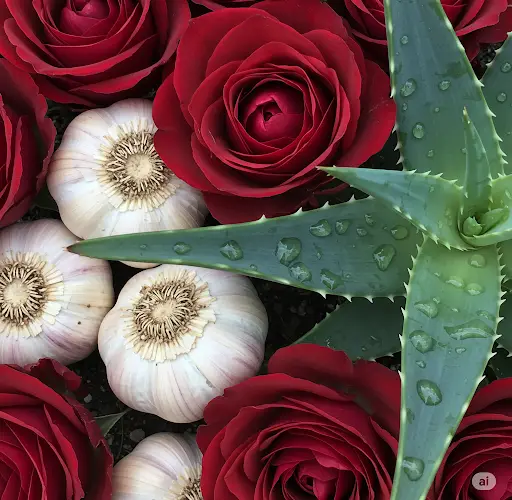
Growing roses from cuttings is a rewarding and cost-effective way to expand your garden, but sometimes, rooting can be a slow and challenging process. While many gardeners turn to store-bought rooting hormones, there’s a natural, homemade solution that can boost the success rate of your rose cuttings: aloe vera and garlic.
This simple, yet powerful combination is packed with natural compounds that can help your rose cuttings root faster and more effectively. Not only does this method promote healthy root development, but it also helps protect your cuttings from common diseases and infections that can hinder the rooting process. Let’s take a look at how aloe vera and garlic can transform your rose propagation efforts.
Why Aloe Vera and Garlic Work Wonders for Rose Rooting
Aloe Vera: The Natural Root Booster
Aloe vera is a well-known plant with a variety of uses, from skincare to healing. But did you know that it can also be used to promote root growth in plants? Aloe vera contains auxins, a type of hormone that plays a vital role in root development. These auxins encourage the growth of strong, healthy roots in your rose cuttings.
In addition to auxins, aloe vera also contains salicylic acid, which has antibacterial and antifungal properties. This helps protect your rose cuttings from harmful pathogens that can cause rot and other infections. Aloe vera’s high moisture content also ensures that your cuttings stay hydrated as they develop roots.
Garlic: The Natural Antibiotic and Root Enhancer
Garlic is another powerhouse in the garden, not just for its culinary uses, but also for its natural medicinal properties. Garlic contains allicin, a compound known for its strong antibacterial, antifungal, and antiviral effects. When used in rooting water, garlic helps protect cuttings from harmful bacteria and fungi that can impede root growth.
Garlic also contains sulfur, a mineral that plays an essential role in promoting root growth and overall plant health. This helps rose cuttings develop strong, resilient roots and ensures that the cutting has the nutrients it needs to thrive.
Together, aloe vera and garlic create a potent, natural rooting solution that promotes faster, healthier root development and guards against common propagation issues.
What You’ll Need
This simple, natural rooting water requires just a few ingredients that are easy to find at home. Here’s what you’ll need to get started:
-
1 fresh aloe vera leaf
-
3–4 cloves of garlic
-
Water (about 2 cups)
-
A clean jar or container
-
A sharp knife
-
A strainer or cheesecloth (optional)
Step-by-Step Guide: Making Aloe Vera and Garlic Rooting Water
Step 1: Prepare the Aloe Vera
Start by cutting a fresh aloe vera leaf from an aloe plant. Be sure to use a healthy, mature leaf for the best results. Cut the leaf at the base, as close to the plant as possible, to ensure maximum nutrient content.
Next, cut the leaf into small sections and extract the gel from the inside. You can do this by slicing the leaf open lengthwise and scraping out the clear gel with a spoon. You’ll need about 2 tablespoons of aloe vera gel for the rooting water.
Step 2: Crush the Garlic
Peel and crush 3–4 cloves of garlic. You can use a garlic press or simply mash the cloves with the flat side of a knife. Crushing the garlic helps release the allicin, which is the active compound that provides the antifungal and antibacterial benefits.
Step 3: Mix Aloe Vera and Garlic with Water
In a clean jar or container, combine the crushed garlic, aloe vera gel, and 2 cups of water. Stir the mixture gently to combine. The water should turn slightly cloudy from the aloe vera gel and garlic.
At this stage, you can also strain the mixture through a fine mesh strainer or cheesecloth to remove any larger bits of garlic or aloe vera that may not dissolve fully.
Step 4: Soak Your Rose Cuttings
Take your rose cuttings—about 6 inches long, with a clean, angled cut at the base—and place them in the aloe vera and garlic mixture. Let the cuttings soak for several hours, or overnight if possible. The longer the cuttings are submerged, the more they can absorb the natural compounds that promote root development.
While soaking, the cuttings will benefit from the auxins in the aloe vera, which stimulate root growth, and the antibacterial properties of the garlic, which prevent rot and infection.
Step 5: Plant the Rooted Cuttings
After soaking, remove the cuttings from the mixture and plant them in well-draining soil. Make a small hole in the soil and gently place the cutting in, being careful not to disturb the delicate area where the roots will form.
Water the newly planted cuttings with fresh, clean water. Ensure they are kept in a warm, bright location with indirect sunlight. You can cover them with a plastic bag or humidity dome to help maintain moisture and humidity, which is essential for successful rooting.
Tips for Success
-
Use Fresh Aloe Vera and Garlic: Fresh ingredients work best for this rooting water. Fresh aloe vera has higher levels of auxins, and fresh garlic contains more allicin, both of which are key to promoting root growth.
-
Be Patient: Rose cuttings typically take anywhere from 2–4 weeks to root. Make sure to keep the soil moist and monitor your cuttings for signs of root growth.
-
Change the Rooting Water: If you notice any signs of contamination, such as a foul smell, change the rooting water and soak the cuttings in a fresh batch.
-
Keep Temperature in Mind: Rose cuttings root best in temperatures between 65°F and 75°F (18°C–24°C). Avoid placing them in direct sunlight or too cold of an area.
Final Thoughts
Using aloe vera and garlic as a rooting water for rose cuttings is a natural, effective, and low-cost way to boost your success rate in propagating roses. This powerful combination promotes faster root development, strengthens your cuttings, and helps protect them from harmful diseases and infections. With just a few simple ingredients, you can turn your rose cuttings into thriving plants in no time.
Give this technique a try, and enjoy watching your rose garden flourish with healthy, homegrown roses.


