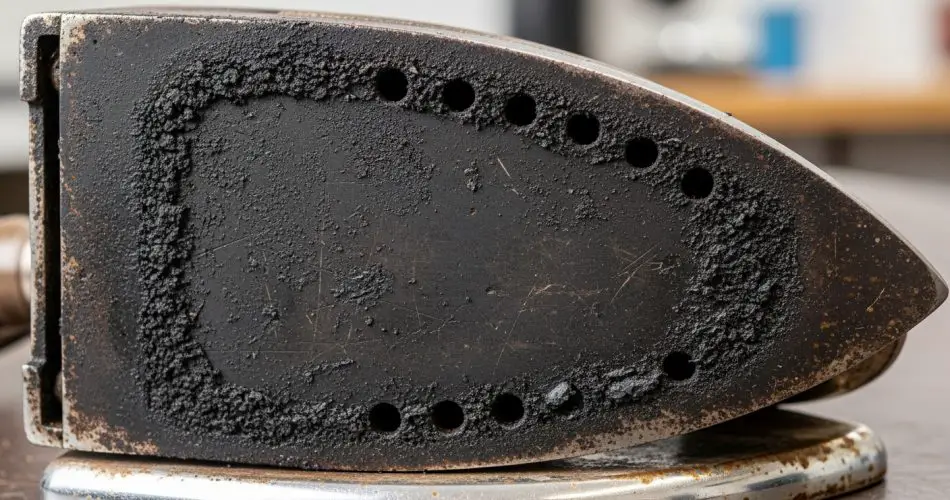
Ironing is rarely anyone’s favorite household chore. It can be tedious and time-consuming, and things get even worse when your iron starts to stick to fabrics or leaves ugly stains on freshly washed clothes. If you’ve ever noticed dark marks or burnt residue on your iron’s soleplate, you’re not alone — it’s a common problem caused by the buildup of dirt, fabric fibers, and limescale. Fortunately, you don’t need to replace your iron or use harsh chemicals to fix it. With just a few simple household ingredients, you can make your iron look and work like new again.
Here’s everything you need to know about cleaning a burnt or blackened iron plate quickly, safely, and effectively.
Why Iron Plates Turn Black or Sticky
Over time, the soleplate — that smooth metal surface that comes into direct contact with your clothes — can accumulate residue from fabrics, starch sprays, and minerals in the water. Each time the iron heats up, these residues can burn slightly, leaving behind brown or black stains.
Additionally, limescale from hard water can build up inside the steam vents, reducing steam flow and even causing white powdery deposits to appear on the plate. This not only makes ironing more difficult but can also leave unsightly marks on delicate garments.
That’s why regular maintenance is essential. And the best part? You don’t need expensive cleaning solutions or special tools — just a few common ingredients you probably already have in your bathroom or kitchen.
The Miracle Combo: Toothpaste and Baking Soda
This might sound surprising, but two of the most effective cleaners for a burnt iron are toothpaste and baking soda. Together, they act as a gentle but powerful abrasive that can dissolve grime, lift stains, and polish metal without scratching it.
Here’s how to do it step-by-step:
-
Unplug and cool the iron.
Always start with a completely cold and unplugged iron to avoid burns or damage. -
Apply toothpaste.
Squeeze a small amount of white toothpaste (avoid colored gels) directly onto the soleplate. Spread it evenly over the blackened areas using your fingers or a soft cloth. -
Add baking soda.
Sprinkle a thin layer of baking soda on top of the toothpaste. This will enhance the cleaning power and help lift off tough burnt spots. -
Let it sit.
Allow the mixture to rest for about 5 to 10 minutes. During this time, the ingredients will soften the burnt residue and loosen dirt. -
Wipe and polish.
Using a paper towel or a clean soft cloth, gently rub the soleplate in circular motions. You’ll notice the dark marks beginning to disappear. -
Rinse and dry.
Wipe the plate clean with a damp cloth to remove any residue, then dry thoroughly with another cloth or paper towel.
Your iron will look shiny and smooth again — and it’ll glide effortlessly over clothes, just like when it was brand new.
Other Natural Remedies for Cleaning an Iron
While the toothpaste and baking soda method works wonders, there are a few other natural ingredients that can help remove stubborn stains, rust, and limescale from your iron.
1. Ice Cubes for Hardened Dirt or Rust
If burnt residue or rust has hardened on the iron’s plate, try this cooling method.
-
Place a few ice cubes in a shallow dish or baking tray.
-
Set the cold iron (unplugged) on top of the ice cubes, making sure the plate is in contact with the ice.
-
Let it sit for about 10 minutes.
The extreme cold will cause the burnt material to harden and contract, making it easier to scrape off. Once it’s brittle, gently remove the residue using a plastic spatula or a dull knife (never use metal tools, as they can scratch the plate).
Afterward, mix baking soda and vinegar into a paste and use it to give the surface a final polish before wiping clean.
2. Vinegar and Salt for Limescale and Deep Cleaning
If your iron has built-up limescale or sticky dirt that won’t budge, a combination of white vinegar and salt works wonders.
Here’s how:
-
Mix equal parts of vinegar and salt in a small pot.
-
Heat the mixture gently until the vinegar begins to simmer.
-
Once it’s hot (but not boiling), dip a cloth or piece of newspaper into the solution.
-
Rub the warm mixture over the iron’s cold plate, scrubbing gently in circular motions.
The salt provides mild abrasion, while the vinegar dissolves mineral deposits and removes burnt residue. Continue rubbing until all marks disappear. Finally, wipe the plate with a damp cloth to remove any remaining traces of vinegar.
This method not only cleans the surface but also helps disinfect and deodorize the iron, leaving it perfectly polished and ready to use.
Preventing Build-Up and Keeping Your Iron Like New
Cleaning your iron occasionally is good, but preventing residue from forming in the first place is even better. Follow these simple maintenance tips to extend the life of your iron and keep it performing efficiently:
-
Use distilled or filtered water instead of tap water to reduce limescale buildup.
-
Empty the water tank after each use to prevent stagnant water from causing mineral deposits.
-
Avoid ironing dirty clothes — any residue from fabric or detergent can transfer to the iron’s plate.
-
Use moderate temperatures when ironing synthetic fabrics to prevent melting and sticking.
-
Wipe the soleplate regularly with a damp cloth after each use (while it’s still warm but unplugged) to remove light residue before it hardens.
A Simple Routine for a Perfectly Clean Iron
Keeping your iron clean doesn’t require fancy products or professional help — just a few household items and a bit of patience. Whether you prefer the toothpaste-and-baking-soda method for quick results or the vinegar-and-salt approach for a deeper clean, you’ll be amazed at how easy it is to restore your iron’s shine and efficiency.
A smooth, spotless iron plate not only makes ironing faster and easier but also protects your clothes from stains and damage. And with regular maintenance, you can extend the life of your appliance for years — saving money and frustration along the way.
So, next time your iron starts dragging or leaving marks, don’t panic. Head to your kitchen or bathroom, grab those everyday ingredients, and give this simple trick a try. You’ll never look at your old iron the same way again.