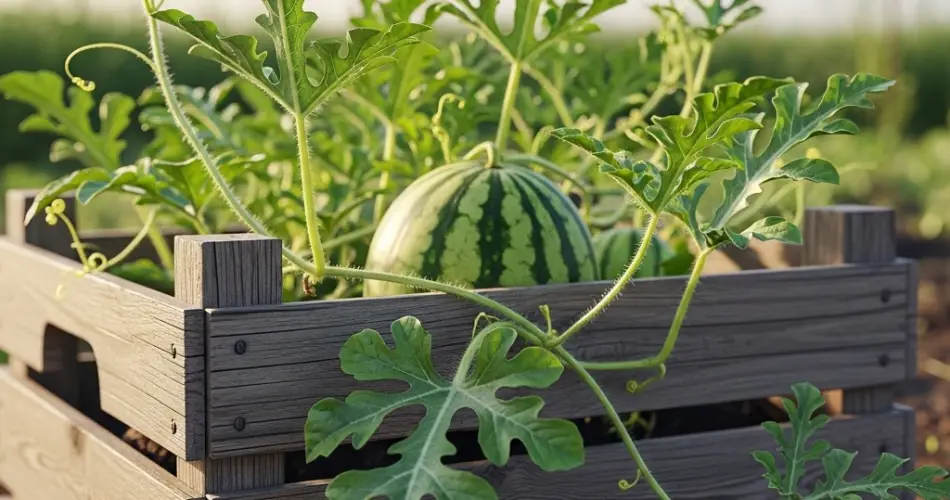
Watermelon is one of the most refreshing fruits to enjoy during warm months, but many gardeners hesitate to grow it because of the sprawling vines and large space it typically requires. Fortunately, with the right approach and careful selection of varieties, watermelons can be grown successfully in wooden crates or other container-style planters. This method is especially appealing for urban gardeners or those with limited outdoor space. Choosing the best varieties suited to compact environments is the key to ensuring a sweet and abundant harvest.
Why Grow Watermelons in Crates?
Crate gardening gives watermelons a structured environment while still providing the space they need to thrive. Here are some benefits of using crates:
-
Space efficiency – Crates can be placed on patios, balconies, or small yards where traditional ground planting isn’t possible.
-
Soil control – Watermelons prefer sandy, well-drained soil, and crates let you create the perfect blend.
-
Mobility – Planters can be shifted to maximize sunlight exposure.
-
Pest management – Elevating the plants helps reduce soil-borne pests and disease risks.
-
Aesthetic value – Rustic wooden crates add charm while keeping vines contained and organized.
Not all watermelons are suited for crate planting, though. Selecting the right compact and fast-maturing varieties makes all the difference.
What to Look for in Crate-Friendly Watermelon Varieties
When growing watermelons in limited space, the ideal varieties share a few characteristics:
-
Compact size – Dwarf or “icebox” watermelons produce smaller fruits, perfect for crates.
-
Short growing season – Early-maturing varieties ensure harvests even in shorter summers.
-
Bush-type growth – Some varieties have less sprawling vines, making them easier to manage.
-
High productivity – Multiple smaller fruits are often more practical than one giant melon.
Top Watermelon Varieties for Crate Growing
1. Sugar Baby
Perhaps the most popular container-friendly watermelon, Sugar Baby produces fruits weighing 8–12 pounds with deep red, sweet flesh. Its vines are relatively short compared to standard types, and it matures in about 75–80 days. Compact size and excellent flavor make it a favorite for crate gardens.
2. Golden Midget
A unique variety, Golden Midget ripens in just 70 days, one of the fastest among watermelons. Its skin turns golden yellow when ripe, making it easy to know when to harvest. The fruits are small, usually around 3–5 pounds, making them perfect for limited spaces.
3. Mini Love
As the name suggests, Mini Love is a small-fruited watermelon variety ideal for container growing. Producing fruits about 5–7 pounds each, it has bright red flesh and a sweet taste. Compact vines make it highly manageable in crates or raised planters.
4. Bush Sugar Baby
A bush-type version of the classic Sugar Baby, Bush Sugar Baby takes container growing to the next level. With a more restrained vine habit, it fits neatly in crates while still producing 8–12 pound fruits. It is an excellent choice for gardeners who want sweetness without sprawling vines.
5. Jade Star
Jade Star offers small to medium fruits weighing about 6–8 pounds. It matures in around 75–80 days and produces consistently high-quality melons. The plant’s manageable vine growth makes it a good match for crate planting.
6. Blacktail Mountain
Developed for cooler climates, Blacktail Mountain ripens in about 70–75 days and produces sweet, 6–10 pound melons. Its tolerance for shorter seasons makes it appealing for northern growers using crates.
Tips for Growing Watermelons in Crates
Crate Size and Setup
-
Use a crate at least 24 inches deep and 24–30 inches wide to support root growth.
-
Line with landscape fabric to retain soil while ensuring drainage.
-
Place crates in a sunny location with at least 8 hours of direct sunlight.
Soil Mix
Watermelons thrive in loose, well-drained soil. A mix of:
-
50% high-quality potting soil,
-
30% compost, and
-
20% sand or perlite
creates an ideal growing medium.
Watering and Feeding
-
Keep soil consistently moist, especially during fruit set and growth.
-
Avoid waterlogging by ensuring proper drainage.
-
Feed with a balanced organic fertilizer early on, then switch to one higher in potassium and phosphorus once flowers appear.
Supporting the Vines
As vines grow, train them to climb trellises or supports attached to the crate. This keeps the plants organized and prevents fruits from sitting on damp soil. For heavier fruits, use slings made of fabric to support them.
Harvesting Watermelons
Signs of ripeness include:
-
The tendril nearest the fruit turns brown and dries.
-
The spot where the fruit rests on the crate surface changes to a creamy yellow.
-
A hollow sound when the melon is tapped.
Harvest carefully to avoid damaging the vine, which may still be supporting additional fruits.
Final Thoughts
Growing watermelons in crates may sound unconventional, but with the right variety, it’s both achievable and rewarding. Compact watermelons such as Sugar Baby, Golden Midget, and Bush Sugar Baby thrive in confined spaces, bringing the joy of homegrown sweetness to even the smallest gardens.
By selecting crate-friendly varieties, preparing the right soil mix, and giving your plants proper care, you can enjoy crisp, juicy watermelons without needing a sprawling backyard. For urban gardeners, this is a perfect way to savor one of summer’s greatest treats right at home.


