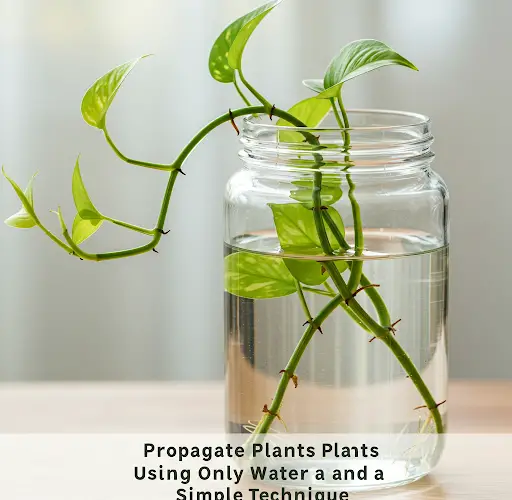
How to Propagate Plants Using Only Water and a Simple Technique
Plant propagation is a rewarding process that allows gardeners to expand their collection without the need for expensive products or chemicals. Whether you’re new to plant propagation or a seasoned gardener, there’s a simple method you can use to root almost any cutting, using nothing more than water. This technique is highly effective for various plants, including fruit trees like jabuticaba, mango, and cajá, as well as ornamental plants like hibiscus and Desert Rose.
In this article, we will explain how you can propagate plants using only water, a plastic bag, and a few basic tools. It’s an incredibly simple yet efficient way to grow new plants right at home.
Materials Needed:
- A small plastic bag (like a sandwich bag or a small ziplock bag)
- String or twine
- A sterilized knife or razor blade
- A healthy plant cutting
- Water (preferably filtered or tap water at room temperature)
Step-by-Step Guide to Propagating Plants Using Water:
- Prepare the Plastic Bag: Start by filling the plastic bag with clean water. You don’t need a large amount, just enough to submerge part of the plant cutting. Ensure the water is at room temperature. If you have filtered water, that’s even better, as it contains fewer chemicals that might harm the plant cutting.
- Prepare the Cutting: Next, choose a healthy branch from the plant you wish to propagate. This method can be used for various types of plants, such as fruit trees and ornamental plants. For this example, let’s use a cutting from a cajá tree (a type of fruit tree).
Take a sharp, sterilized knife or razor blade and make a cut on the plant’s stem. You’ll want to cut halfway through the branch, as shown in the diagram. This cut will create a small slit or notch on the stem that will eventually encourage root growth.
- Attach the Plastic Bag: Once you’ve made the cut on the stem, take the prepared plastic bag filled with water and place it around the exposed area of the plant. You will need to secure the bag in place using the string or twine. Tie it tightly to ensure the water remains in contact with the plant’s stem.
- Ensure Proper Placement: Place the cutting in a location where it will receive indirect light but not direct sunlight, as harsh sunlight can harm the plant or cause the water to evaporate too quickly. You want the cutting to stay moist, but not to dry out.
- Wait for Root Development: Over time, the cutting will begin to develop roots within the plastic bag. This process usually takes about 21 days, but depending on the plant and environmental conditions, it could take anywhere from 30 to 45 days for significant root development. During this period, keep an eye on the water level in the bag to ensure the cutting remains submerged.
Why This Method Works:
This technique relies on the principle of water propagation, which is an effective way to encourage root growth in many types of plants. When a stem or branch is exposed to moisture, it triggers the formation of new roots at the cut site. By enclosing the cutting in a plastic bag filled with water, the plant is provided with the moisture it needs to initiate root development, without the stress of being planted directly into soil.
In addition to providing a controlled, moisture-rich environment, this method also helps prevent the cutting from drying out. The bag creates a mini-greenhouse effect, which helps maintain humidity and temperature levels that are ideal for root formation.
Key Benefits of Water Propagation:
- No Need for Hormones: Unlike other propagation methods that require rooting hormones, this technique uses only water. The plant’s natural growth process is sufficient to stimulate root development, making it a completely natural and cost-effective method.
- Simple and Accessible: All you need is a plastic bag, some string, and a sharp tool to make the cut. This method is incredibly simple and can be done with materials you likely already have at home.
- Versatility: This technique works with a wide range of plants, including fruit trees like jabuticaba and mango, as well as flowering plants like hibiscus and Desert Rose. If you’re unsure whether it will work for a particular plant, it’s always worth trying!
- Minimal Maintenance: The only maintenance required is to check the water level in the bag periodically and ensure the cutting is receiving adequate light. There’s no need for complicated setups or constant monitoring.
Transplanting the Rooted Cutting:
Once the cutting has developed sufficient roots, you can transplant it into a pot with soil. Carefully remove the cutting from the plastic bag and gently place it in a well-draining potting mix. Make sure the soil is moistened, but not waterlogged, to help the new plant acclimate to its new environment.
As the plant continues to grow, you’ll need to provide it with the appropriate care, including sunlight, watering, and occasional fertilization. With time and proper care, your propagated plant will thrive and eventually bear fruit or flowers, depending on the type of plant.
Conclusion:
Propagating plants using just water is a simple, cost-effective method that anyone can use to grow new plants at home. Whether you’re a seasoned gardener or a beginner, this technique offers an easy way to expand your garden without the need for expensive rooting hormones or chemicals. With just a few basic materials, you can propagate a variety of plants, from fruit trees to flowering shrubs, and watch them grow into healthy, thriving specimens.
Give this method a try the next time you want to propagate a plant, and enjoy the satisfaction of watching roots form and new life take hold in your garden.


