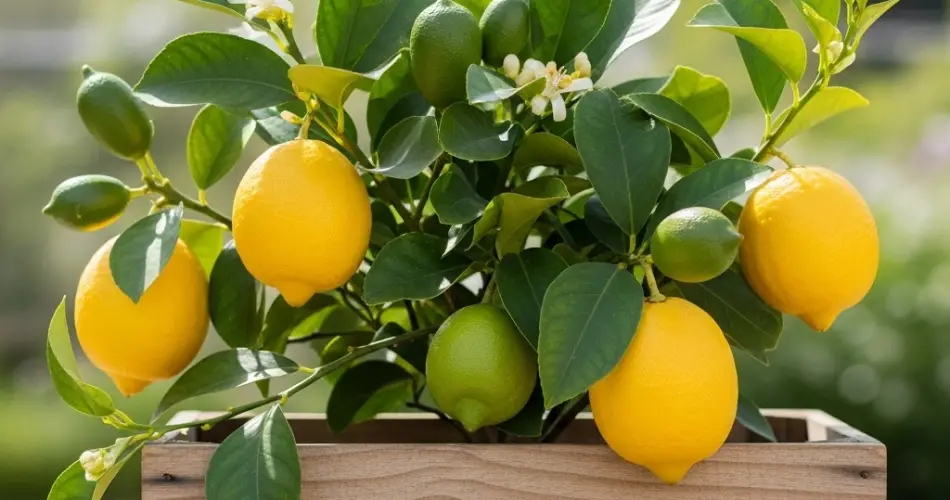
Lemon trees bring freshness, fragrance, and a burst of citrus flavor to any home garden. Their glossy leaves, white blossoms, and bright yellow fruits make them as ornamental as they are practical. While traditionally grown in orchards or large pots, many gardeners are now turning to wooden crates as an eco-friendly and space-saving way to cultivate these vibrant trees. Crate gardening not only makes it possible to grow lemons in small spaces but also offers flexibility in soil management. However, the success of a crate-grown lemon tree depends heavily on one factor: the right soil mix.
Why Grow Lemon Trees in Crates?
Wooden crates offer several advantages for home gardeners:
-
Mobility – Crates can be shifted to capture more sunlight or to protect trees from frost.
-
Root Control – Lemons prefer not to be rootbound; crates provide room for growth while still keeping the plant compact.
-
Soil Customization – Unlike planting directly in the ground, crate gardening allows you to create the perfect soil blend.
-
Rustic Aesthetic – Wooden crates add a natural, decorative touch to patios, balconies, or gardens.
Because lemon trees are sensitive to poor soil conditions, growing them in crates gives you full control over their environment.
What Lemon Trees Need in Their Soil
Lemon trees have specific requirements when it comes to soil. To thrive in crates, the soil must provide the following:
-
Excellent Drainage – Lemons are highly susceptible to root rot. Soil must drain quickly to prevent waterlogging.
-
Nutrient Richness – Being fruit-bearing trees, they need fertile soil rich in nitrogen, phosphorus, and potassium.
-
Slight Acidity – A pH between 5.5 and 6.5 is ideal for nutrient absorption.
-
Good Aeration – Roots must breathe; compacted soil can suffocate the plant.
-
Moisture Retention – While well-drained, the soil should still hold enough moisture to keep roots hydrated.
Balancing these factors is the secret to keeping lemon trees healthy in crate planters.
The Ideal Soil Mix for Crate-Grown Lemons
To provide the right foundation, consider this recommended soil blend:
-
40% high-quality potting soil – Provides structure and organic matter.
-
30% compost or aged manure – Enriches the soil with nutrients and beneficial microbes.
-
20% coarse sand or perlite – Ensures drainage and prevents compaction.
-
10% coconut coir or peat moss – Retains moisture without waterlogging.
Mix thoroughly before filling the crate. This combination balances fertility, drainage, and aeration—perfect for citrus roots.
Preparing the Wooden Crate
Before planting, it’s important to set up the crate properly:
-
Choose a large crate – At least 24 inches deep and wide to allow root expansion.
-
Line the crate – Use landscape fabric or burlap to hold soil in place while still letting water drain.
-
Drill drainage holes – If the crate doesn’t already have them, add several holes at the bottom.
-
Elevate the crate – Place it on bricks or wooden blocks to improve air circulation and prevent rot.
A well-prepared crate ensures the soil performs as expected.
Enhancing Soil Fertility
Even with a rich starting mix, lemon trees are heavy feeders and benefit from ongoing soil improvement:
-
Add organic mulch such as straw, shredded bark, or leaves to conserve moisture and add nutrients as it decomposes.
-
Top-dress with compost every few months to replenish fertility.
-
Incorporate citrus-specific fertilizer every 4–6 weeks during the growing season. A balanced fertilizer with a slightly higher nitrogen content works best.
Micronutrients such as magnesium, zinc, and iron are particularly important for preventing yellow leaves and ensuring vigorous fruiting.
Managing Soil pH
Since lemon trees prefer slightly acidic soil, monitoring pH is essential. Test the soil every few months. If the pH is too high (alkaline), add sulfur granules or acidifying organic matter like pine needles. If it’s too low, add a small amount of agricultural lime.
Maintaining the right pH ensures that nutrients in the soil remain available to the roots.
Watering and Soil Health
The soil mix you choose also determines how often you’ll need to water. In crates, soil tends to dry out faster than in the ground. A good practice is to:
-
Water deeply whenever the top 2 inches of soil feel dry.
-
Avoid shallow watering, which encourages weak root growth.
-
Ensure water drains freely to prevent standing moisture.
Over time, organic matter in the soil will break down, so refreshing the soil every 2–3 years keeps the mix healthy.
Common Soil Mistakes to Avoid
-
Using garden soil alone – It compacts too quickly and doesn’t drain well in crates.
-
Skipping organic matter – Without compost, soil becomes poor in nutrients.
-
Over-fertilizing – Excess salts can build up in crate soil, harming roots.
-
Ignoring drainage – Poorly prepared crates cause waterlogging, a common killer of lemon trees.
Final Thoughts
Growing lemon trees in wooden crates is a smart, sustainable solution for gardeners with limited space. But the true success lies in providing the best soil mix—one that drains well, holds moisture, supports root health, and is enriched with organic matter. By carefully preparing the crate, monitoring soil pH, and regularly replenishing nutrients, you’ll set the stage for lush foliage, fragrant blossoms, and juicy lemons.
Whether placed on a balcony, patio, or backyard corner, a crate-grown lemon tree is not only practical but also a delightful centerpiece. With the right soil beneath it, your lemon tree can flourish and reward you with harvests of homegrown citrus for years to come.


