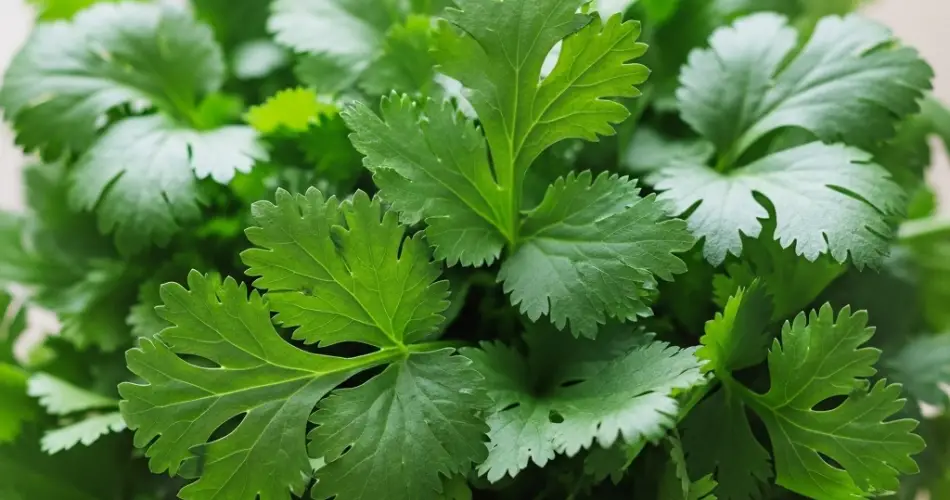
Coriander, also known as cilantro, is a popular herb used in a wide variety of cuisines around the world. Its fresh leaves are widely used in salads, salsas, and curries, while its seeds add warm, citrusy notes to spice blends. Though coriander is relatively easy to grow, it thrives best under specific soil and sunlight conditions. Getting these right makes the difference between a sparse harvest and a lush, flavorful crop.
Whether you’re growing coriander in containers, garden beds, or window boxes, understanding the plant’s soil and sunlight preferences is key to healthy, productive growth. Here’s how to create the ideal growing environment for this versatile herb.
Understanding Coriander’s Natural Preferences
Coriander is an annual herb that completes its life cycle quickly, especially in warm climates. It prefers cool weather for leaf production but will bolt (go to seed) rapidly in heat, which shortens the harvesting window. Creating the best growing environment—starting with the right soil and sunlight exposure—can help you prolong its vegetative stage and maximize your harvest.
Best Soil for Coriander
Coriander has some very specific needs when it comes to soil. Here’s what to look for:
1. Well-Drained Soil
Coriander roots dislike soggy conditions. Waterlogged soil can lead to root rot and other fungal issues. Ensure the soil drains well, whether you’re growing in the ground or in containers.
2. Loamy Texture
A mix of sand, silt, and a bit of clay—commonly called loam—is ideal. This type of soil allows roots to spread easily and ensures good moisture retention without becoming compacted.
3. pH Level
Coriander grows best in slightly acidic to neutral soil with a pH between 6.2 and 6.8. You can test your soil’s pH with an inexpensive kit from a garden center and adjust it if needed.
4. Moderate Fertility
Unlike some leafy greens that love nitrogen-rich soil, coriander prefers a moderate nutrient level. Soil that’s too rich in nitrogen may lead to excessive leaf growth followed by early bolting.
Recommended Soil Mix for Containers
If you’re growing coriander in pots or containers, here’s a simple soil mix recipe:
-
2 parts high-quality potting soil
-
1 part compost (well-rotted and balanced)
-
1 part coarse sand or perlite for drainage
This mix ensures good moisture retention while allowing excess water to drain away. For added fertility, you can mix in a slow-release organic fertilizer, but use it sparingly.
Sunlight Needs of Coriander
Getting sunlight exposure right is just as important as soil quality for growing coriander successfully.
1. Full Sun to Partial Shade
Coriander thrives in full sun—ideally 4 to 6 hours of direct light per day. However, in very hot climates or during summer, partial shade in the afternoon helps prevent bolting and keeps the leaves from becoming bitter.
If you’re growing coriander indoors, place it near a bright south- or west-facing window. If natural light is insufficient, consider supplementing with grow lights.
2. Seasonal Sunlight Adjustment
In cooler weather, coriander can tolerate and benefit from more direct sun exposure. In warmer seasons, especially when temperatures rise above 25°C (77°F), reduce direct sun exposure to slow down bolting and keep the plant producing leaves longer.
You can use shade cloth, position your pots to catch only the morning sun, or place the plant under taller crops like tomatoes or peppers to give it dappled light in the afternoon.
Tips for Maximizing Soil and Light Conditions
-
Add mulch around coriander plants in garden beds to retain moisture and regulate soil temperature.
-
Rotate crops if growing in the same spot each year to avoid soil-borne diseases.
-
Water consistently, but avoid overwatering. Let the top inch of soil dry out between waterings.
-
Avoid root disturbance. Coriander doesn’t like being transplanted, so sow seeds directly where you plan to grow them.
-
Thin seedlings early to give each plant space—about 6 inches (15 cm) apart for healthy development.
Signs of Soil or Light Problems
If your coriander isn’t thriving, the plant may be signaling issues with its environment:
-
Yellowing leaves could indicate overwatering or nutrient imbalance.
-
Leggy growth often results from insufficient light.
-
Rapid bolting suggests too much heat or intense, prolonged sunlight.
-
Poor germination might point to heavy or compacted soil lacking aeration.
By adjusting sunlight exposure and improving soil drainage or fertility, most of these problems can be resolved quickly.
Conclusion
Coriander is a rewarding herb to grow when provided with the right soil and sunlight. Aim for loose, well-drained, moderately fertile soil and provide bright but not harsh sun—especially in hot climates. With these conditions in place, you’ll enjoy a steady supply of fresh coriander leaves and seeds throughout the growing season. Whether in a garden bed or on a kitchen windowsill, a healthy coriander plant begins with thoughtful soil preparation and mindful light management.


