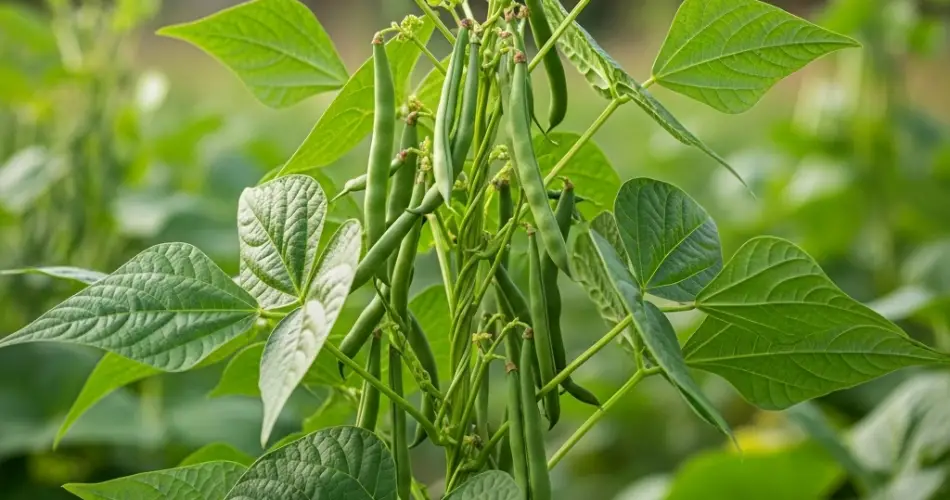
Green beans, also known as string beans or snap beans, are a staple in home gardens thanks to their fast growth, high yield, and delicious flavor. Whether you’re growing bush or pole varieties, getting the best harvest starts with healthy soil and proper fertilization. These foundational elements help green beans produce vigorous vines and an abundance of tender pods.
If you’re planning to grow green beans and want to maximize your results naturally and effectively, here’s what you need to know about the best soil conditions and fertilizers.
Ideal Soil Conditions for Green Beans
Green beans are not heavy feeders compared to other vegetables, but they do need the right soil structure and nutrient balance to thrive. The goal is to provide a soil environment that supports root growth, maintains moisture without becoming waterlogged, and encourages nitrogen fixation—an important benefit of growing legumes like beans.
1. Soil Type
Green beans prefer loose, well-draining soil. Sandy loam or loam is ideal. Compacted or clay-heavy soils can hinder root growth and water movement, leading to poor plant performance.
-
Before planting, break up the soil to at least 8 inches deep.
-
Work in organic material like compost to improve texture and aeration.
2. Soil pH
The optimal pH range for green beans is 6.0 to 6.8. If the soil is too acidic or alkaline, nutrient availability can be limited, impacting plant growth.
-
Conduct a soil test to determine your pH level.
-
If needed, amend acidic soils with garden lime or alkaline soils with elemental sulfur.
Do Beans Need Fertilizer?
Since green beans are legumes, they form a symbiotic relationship with nitrogen-fixing bacteria. These bacteria live in nodules on the roots and naturally convert atmospheric nitrogen into a form the plants can use. This means beans typically do not need much nitrogen fertilizer, especially once they are established.
However, they still benefit from balanced nutrition, especially at the early growth stage and during flowering and pod formation.
Best Natural Fertilizers for Green Beans
Using natural and organic fertilizers helps build healthy soil and supports sustained plant health without chemical runoff. Here are the best fertilizer options for green beans:
1. Compost
Why it works: Compost is rich in a variety of nutrients, improves soil structure, and supports beneficial microbes.
How to use:
-
Mix 2–3 inches of compost into the top layer of soil before planting.
-
Add more as a top dressing once plants start flowering.
Compost provides slow-release nutrients and maintains moisture balance.
2. Aged Manure
Why it works: Well-rotted manure offers a gentle dose of nitrogen, phosphorus, and potassium, which beans need in small amounts.
How to use:
-
Apply to the soil 2–4 weeks before planting.
-
Avoid fresh manure, which can be too strong and may damage young plants.
Aged cow, horse, or chicken manure works well when properly composted.
3. Bone Meal
Why it works: Bone meal is high in phosphorus, a key nutrient for root and flower development.
How to use:
-
Mix into the soil at planting time (about 1 tablespoon per plant or 1 cup per 10 feet of row).
-
Reapply halfway through the growing season if needed.
This is especially helpful if a soil test shows phosphorus deficiency.
4. Wood Ash or Greensand
Why it works: These are good sources of potassium, which supports pod development and overall plant strength.
How to use:
-
Sprinkle lightly into the planting bed and mix into the topsoil.
-
Use sparingly, as excess potassium can affect nutrient balance.
Wood ash also raises soil pH, so use with care in already alkaline soils.
5. Fish Emulsion or Seaweed Extract
Why it works: These liquid fertilizers provide a small but balanced dose of nutrients and trace minerals, supporting early growth and flowering.
How to use:
-
Dilute according to package instructions.
-
Apply every 2–3 weeks during the growing season, especially as plants begin to flower.
Great for container-grown beans or if plants show signs of stress or deficiency.
When to Fertilize Green Beans
At Planting:
-
Incorporate compost and bone meal into the soil.
-
Do not add high-nitrogen fertilizers, as they promote leaf growth at the expense of pods.
During Growth:
-
Apply compost or liquid fertilizers when plants begin to flower and form pods.
-
Avoid over-fertilizing, especially with nitrogen. Too much nitrogen will result in lush foliage but poor bean production.
Signs of Nutrient Deficiency in Beans
While beans don’t require a heavy feeding schedule, watch for these signs that may indicate nutrient issues:
-
Yellowing leaves: May signal nitrogen deficiency or poor drainage.
-
Poor flowering or pod formation: Could mean a lack of phosphorus or potassium.
-
Stunted growth: Compacted soil, poor drainage, or root damage may be the cause.
Amend the soil or apply appropriate organic fertilizers to correct these issues.
Final Thoughts
Green beans grow best in fertile, loose soil enriched with compost and other natural amendments. While they don’t require large amounts of fertilizer, providing the right nutrients at key growth stages helps ensure a healthy, productive harvest. By using organic materials like compost, bone meal, and seaweed extract, you can nourish your green beans naturally while also improving soil health for future crops.
With proper care and balanced fertilization, you’ll enjoy crisp, flavorful beans straight from your garden all season long.


