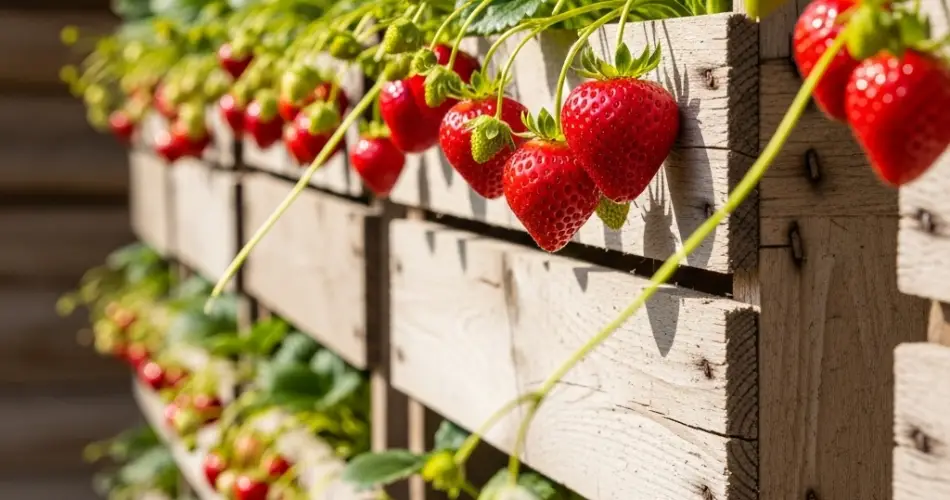
Strawberries are among the most rewarding fruits to grow at home. Their sweet, juicy berries are a treat straight from the plant, and they’re surprisingly easy to cultivate even without a garden bed. Wooden boxes and other containers provide an ideal environment for strawberries, allowing you to enjoy fresh fruit on a balcony, patio, or small garden. With the right soil and proper care, these compact plants can yield abundant harvests throughout the growing season.
This guide explores the best soil mix for strawberries in boxes, along with essential care tips to help you grow healthy plants and enjoy baskets of fresh berries.
Why Grow Strawberries in Boxes?
Wooden boxes are excellent for strawberry cultivation because they offer depth, drainage, and portability. Unlike garden plots, containers allow you to control soil quality and moisture levels more effectively. Boxes also prevent strawberries from sprawling across the ground, reducing the risk of soil-borne diseases and pests.
Another advantage is space-saving. Even if you live in an apartment, a sunny balcony can support a box of thriving strawberries. Plus, the rustic charm of wooden planters enhances the beauty of your outdoor space.
Choosing the Right Variety
Not all strawberries grow the same. For box gardening, consider these three main types:
-
June-bearing: Produce one large crop in late spring or early summer. Ideal if you want a concentrated harvest.
-
Everbearing: Produce two main crops, one in spring and another in late summer or fall.
-
Day-neutral: Produce smaller amounts of berries continuously throughout the season.
Day-neutral and everbearing varieties are often the best choices for containers, as they provide a steady supply of fruit.
Preparing the Soil
Strawberries thrive in soil that is loose, fertile, and slightly acidic with a pH between 5.5 and 6.5. A good soil mix for wooden boxes includes:
-
40% high-quality garden loam or topsoil
-
30% compost or aged manure for nutrients
-
20% coco peat or peat moss for moisture retention
-
10% perlite or coarse sand for drainage
Avoid heavy clay soil, which can cause root rot. Before planting, mix in a slow-release organic fertilizer or bone meal to support strong root and fruit development.
Planting Strawberries in Boxes
Select a wooden box that is at least 8–12 inches deep to allow roots to spread. Ensure the box has good drainage holes to prevent waterlogging.
When planting, space strawberry plants about 8–10 inches apart to give them room to grow. Position the crown (where the stem meets the roots) level with the soil surface. Planting too deeply can rot the crown, while planting too shallow may dry out the roots.
For a fuller look and higher yield, you can stagger plants in a zig-zag pattern across the box.
Sunlight and Watering Needs
Strawberries need 6–8 hours of direct sunlight daily for the best fruit production. Place your wooden box in a sunny location, such as a balcony railing, patio, or rooftop.
Water is essential, especially during flowering and fruiting. Keep the soil evenly moist but never waterlogged. Wooden boxes may dry out faster than garden beds, so check the soil frequently. Water at the base of the plants to avoid wetting leaves, which can invite fungal diseases. Mulching with straw or shredded leaves helps retain moisture and keeps fruits clean.
Fertilizing and Ongoing Care
Strawberries are moderate feeders. Apply a balanced organic fertilizer or liquid compost tea every 3–4 weeks during the growing season. Too much nitrogen can lead to leafy growth at the expense of fruit, so choose a fertilizer that supports blooming and fruiting.
Remove runners (long stems that grow out from the main plant) if you want to focus on fruit production. However, if you’d like to propagate more plants, allow a few runners to root in smaller containers.
Regularly inspect for pests such as aphids, slugs, and spider mites. Neem oil or insecticidal soap works well for pest control, while proper air circulation helps prevent fungal problems like powdery mildew.
Harvesting Fresh Strawberries
Strawberries are ready to harvest when they are fully red and glossy. Pick them gently, leaving the green cap attached. Harvesting every couple of days encourages plants to produce more fruit.
Since strawberries are best enjoyed fresh, plan to pick them when ripe and use them quickly. You can also freeze or preserve your surplus for later use.
Final Thoughts
Strawberries in wooden boxes bring the joy of homegrown fruit to almost any living space. With the right soil mix, adequate sunlight, and consistent care, your plants will reward you with fresh, flavorful berries season after season. Wooden containers not only provide the perfect growing conditions but also add rustic beauty to your garden, balcony, or patio.
Whether you’re a beginner or an experienced gardener, box-grown strawberries are a simple, space-saving way to enjoy a continuous supply of one of nature’s sweetest treats.


