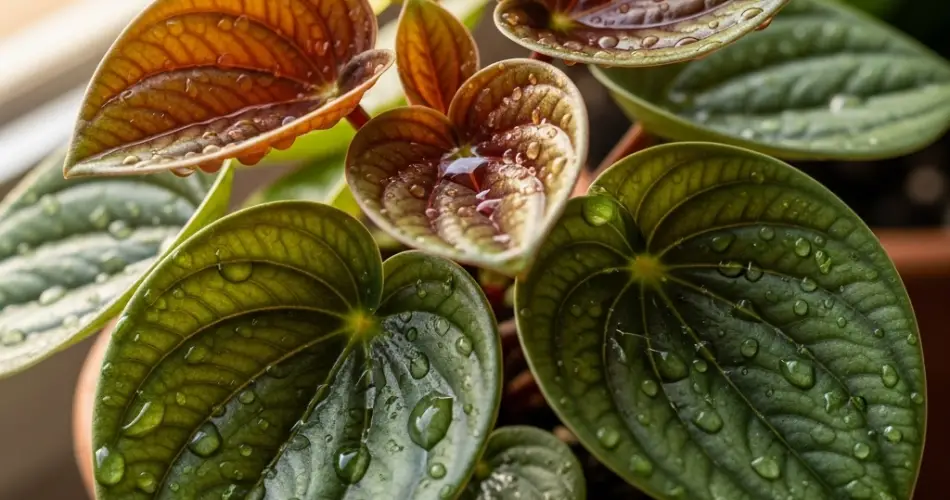
Peperomia plants are a favorite among houseplant lovers because of their compact size, decorative foliage, and easy-care nature. With more than a thousand varieties, ranging from thick, succulent-like leaves to patterned and colorful types, peperomias can fit into almost any home décor. One of the most important aspects of caring for these charming plants is providing the right light.
While peperomias are often considered low-maintenance, lighting conditions can make a big difference in how vibrant and healthy they look. Understanding their natural light preferences and adjusting indoor conditions accordingly ensures steady growth and long-lasting beauty.
Natural Habitat and Light Preferences
Peperomias are native to Central and South America, where they grow under the shade of larger plants and trees in tropical forests. In their natural habitat, they are accustomed to filtered, indirect light rather than full, direct sun. This adaptation makes them particularly well-suited to indoor living, where light levels are usually softer and less intense than outdoors.
How Much Light Do Peperomias Need?
Peperomias prefer medium to bright, indirect light for about 6–8 hours a day. They are versatile and can tolerate lower light conditions, but growth may slow down, and the plant may become less vibrant. On the other hand, too much direct sunlight can cause leaf burn or fading.
Some varieties, especially those with variegated leaves or colorful patterns, need a bit more brightness to maintain their markings. In lower light, the patterns may fade, and leaves may become uniformly green.
Best Indoor Spots for Peperomias
Finding the right spot indoors will help your peperomia thrive. Some good options include:
-
Near east-facing windows: Gentle morning light is perfect for peperomias, offering brightness without intensity.
-
Close to north-facing windows: These provide consistent soft light, ideal for steady growth.
-
A few feet back from south- or west-facing windows: These windows can be too bright, but using sheer curtains or placing the plant further into the room helps filter the rays.
-
Bright offices or living rooms: Peperomias do well in spaces with steady, indirect light throughout the day.
Because they are relatively small, peperomias also fit nicely on desks, shelves, or plant stands, as long as there’s enough light.
Can Peperomias Grow in Low Light?
Yes, peperomias are adaptable and can survive in lower light conditions, which is one reason they are often recommended for beginners. However, in dim corners or rooms with little natural light, the plant’s growth will slow significantly. Leaves may appear less glossy, and variegated types may lose their patterns.
If you want your peperomia to thrive rather than just survive, providing medium to bright, indirect light is the best choice.
Using Artificial Light for Peperomias
If your home or office has limited natural sunlight, peperomias can adapt well to artificial lighting. Fluorescent or LED grow lights are excellent options, as they mimic the spectrum of natural sunlight. Place the light about 12–18 inches above the plant, and keep it on for 10–12 hours a day.
This makes peperomias a great choice for interior spaces like windowless offices, apartments, or bathrooms, where grow lights can supplement or replace natural light.
Signs of Incorrect Lighting
Peperomias give clear signals when their lighting is not right. Watch for these signs:
-
Too little light: Slow growth, leggy stems, and fading leaf colors or patterns.
-
Too much light: Brown edges, crispy leaf tips, or faded foliage.
-
Ideal light: Compact, bushy growth with vibrant leaf colors and patterns.
By paying attention to these changes, you can quickly adjust your plant’s placement to improve its health.
Seasonal Lighting Adjustments
Like most houseplants, peperomias benefit from seasonal adjustments. In summer, strong sunlight from south- or west-facing windows can be too intense, requiring curtains or repositioning. In winter, when daylight hours are shorter and weaker, moving the plant closer to a light source or supplementing with grow lights helps maintain steady growth.
Extra Tips for Peperomia Success
Lighting is essential, but combining it with other good care habits ensures the best results:
-
Rotate the plant: Turn the pot every couple of weeks so all sides receive light evenly.
-
Clean the leaves: Dust buildup can block light, so wipe leaves gently with a damp cloth.
-
Match watering to lighting: In brighter light, soil may dry faster, requiring more frequent watering. In low light, reduce watering to prevent root rot.
-
Avoid extremes: Keep peperomias away from drafts, heating vents, or direct sunbeams, as sudden changes in light and temperature can stress the plant.
Conclusion
Peperomias are adaptable, charming plants that brighten any indoor space with their unique foliage. While they can survive in lower light conditions, they thrive best in medium to bright, indirect sunlight that mimics their natural forest environment. Avoid placing them in strong, direct rays, which can scorch leaves, or in deep shade, which slows growth and dulls their appearance.
By choosing the right spot, making seasonal adjustments, and supplementing with artificial light when necessary, you can keep your peperomia compact, vibrant, and healthy year-round. With just a little attention to lighting, these resilient plants will reward you with beauty and greenery in any corner of your home or office.


