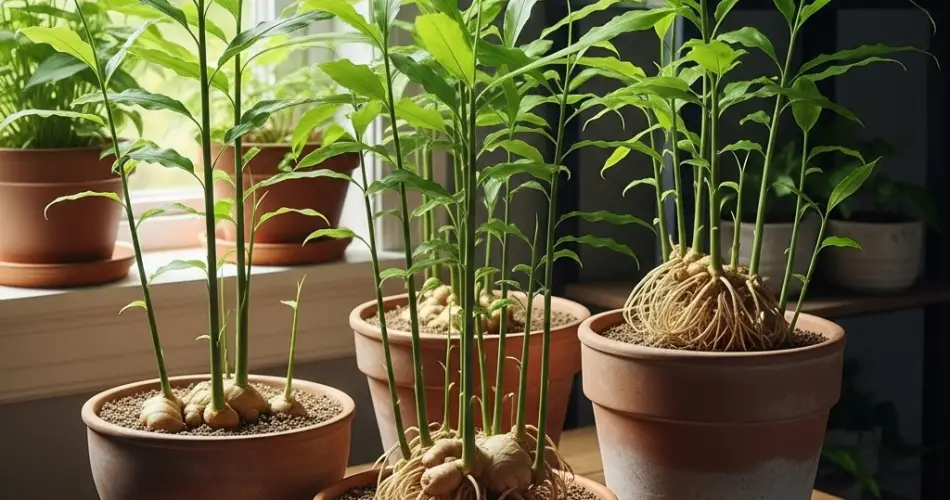
Ginger is a flavorful and aromatic root that adds depth to culinary dishes, provides health benefits, and is surprisingly easy to grow at home. Whether you have a large garden, a balcony, or just a sunny windowsill, growing ginger in containers is an excellent way to enjoy fresh, organic rhizomes. The key to success lies in selecting the right container and understanding the specific needs of this tropical plant.
In this guide, we’ll explore the best container options for growing ginger, what to look for when choosing one, and tips for maintaining a thriving container-grown ginger plant.
Why Grow Ginger in Containers?
Container gardening offers several advantages for ginger cultivation:
-
Mobility: Containers can be moved indoors during cold months or repositioned for optimal sunlight.
-
Soil Control: You can create the ideal soil mix for ginger, ensuring proper drainage and fertility.
-
Space Efficiency: Perfect for patios, balconies, and small gardens where space is limited.
-
Pest Management: Growing in containers makes it easier to monitor and control pests and diseases.
Ginger is a slow-growing plant that requires warm temperatures, consistent moisture, and rich, loose soil. Growing it in the right container ensures healthy root development and an abundant harvest.
Key Features of a Good Ginger Container
Before diving into specific options, it’s important to understand the qualities that make a container suitable for growing ginger:
-
Width Over Depth: Ginger grows horizontally, so choose wide containers (at least 12–15 inches across) over deep ones.
-
Good Drainage: Containers must have multiple drainage holes to prevent soggy soil, which can lead to root rot.
-
Adequate Depth: While not the main focus, a container should still be at least 10–12 inches deep to allow for some vertical root growth and soil layering.
-
Material Consideration: The type of container material affects heat retention, moisture regulation, and portability.
Best Container Types for Ginger
1. Grow Bags
Pros:
-
Lightweight and portable
-
Excellent drainage and aeration
-
Foldable and easy to store
Grow bags made from breathable fabric (like felt or canvas) are ideal for ginger. They prevent waterlogging, keep roots cool, and encourage air pruning, which promotes healthy rhizome development. Choose a 10–15 gallon grow bag for best results.
Tip: Place grow bags on a tray or dish to catch excess water if using them indoors or on balconies.
2. Plastic Pots
Pros:
-
Affordable and widely available
-
Lightweight and durable
-
Retain moisture well
Plastic containers are a convenient option for ginger, especially for beginners. Look for wide, sturdy pots with multiple drainage holes. Avoid black containers in very hot climates as they can overheat and stress the roots.
Tip: Drill additional drainage holes if the pot doesn’t already have enough.
3. Clay or Terracotta Pots
Pros:
-
Natural material with good breathability
-
Visually appealing
-
Prevent overwatering due to moisture-wicking properties
Clay pots are great for those who tend to overwater their plants, as the porous material allows excess moisture to evaporate. However, they are heavier and more prone to cracking in freezing temperatures. Choose a wide terracotta container with sufficient drainage holes.
Tip: Soak the pot in water before planting to reduce initial moisture absorption from the soil.
4. Raised Wooden Planter Boxes
Pros:
-
Attractive and customizable
-
Suitable for larger ginger plantings
-
Good insulation and moisture retention
A shallow, raised wooden box is perfect for growing multiple ginger plants. Ensure the wood is untreated or lined with landscape fabric to avoid chemical leaching. Add a layer of gravel or small stones at the bottom to improve drainage.
Tip: Line the interior with plastic or heavy-duty cloth for added durability.
5. Recycled Containers
Pros:
-
Budget-friendly and sustainable
-
Customizable to any size
-
Encourages reuse of household items
Old storage bins, buckets, or crates can be turned into effective ginger planters with a few drainage holes drilled at the bottom. As long as the container is at least 10 inches deep and wide enough for horizontal root spread, it can work well.
Tip: Elevate the container slightly with bricks or pot feet to improve air circulation and drainage.
Soil and Planting Tips
Regardless of container type, ginger thrives in loose, fertile, and well-draining soil. Use a mix of:
-
1 part compost or well-rotted manure
-
1 part coco coir or peat moss
-
1 part perlite or coarse sand
To plant, choose a fresh ginger rhizome with visible “eyes” or buds. Soak the rhizome in water overnight and plant it 1–2 inches below the soil surface with the buds facing up.
Place the container in a warm, sheltered spot with indirect light or morning sun, and water regularly to keep the soil moist but not soggy.
Harvesting and Maintenance
Ginger takes 8–10 months to mature, but you can begin harvesting small pieces after 4–5 months:
-
Gently dig around the edges and remove a portion of the rhizome.
-
Refill with fresh soil and continue growing for later harvests.
Keep feeding the plant with a diluted liquid fertilizer or compost tea every 2–3 weeks to support healthy growth.
Final Thoughts
Choosing the right container for growing ginger is a crucial step toward a productive and stress-free gardening experience. Whether you opt for grow bags, clay pots, or upcycled bins, the key is to provide ample space for horizontal root growth, good drainage, and consistent warmth. With the right setup and a little care, your container-grown ginger will reward you with fresh, aromatic roots perfect for cooking, tea, and wellness remedies—all from the comfort of your home garden.


