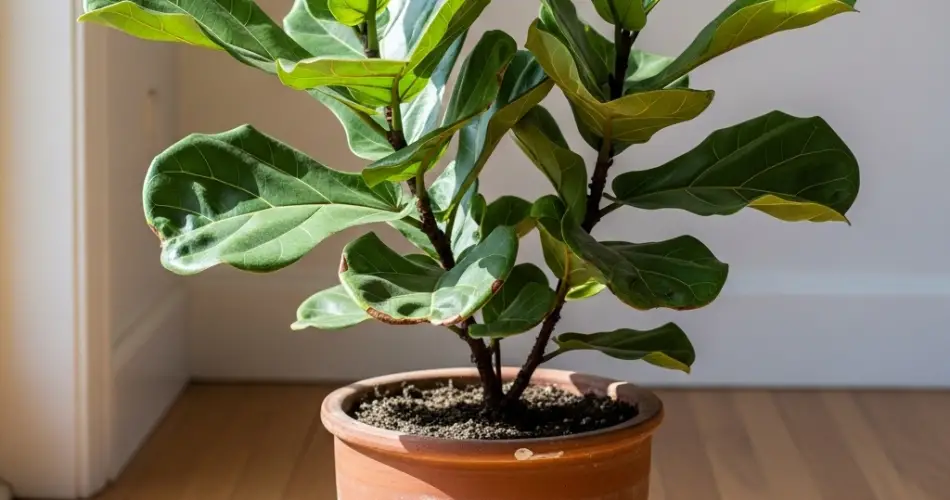
The fiddle leaf fig (Ficus lyrata) is a show-stopping indoor plant known for its large, glossy leaves and upright growth. Whether your fiddle leaf fig is a compact bush or a tall tree-like specimen, choosing the right container is essential for its overall health, stability, and beauty. The wrong pot can lead to problems like root rot, poor growth, and even plant instability. This guide covers everything you need to know about selecting the best container for a tall and healthy fiddle leaf fig.
1. Prioritize Drainage Above All
No matter how stylish a container looks, the most important feature it must have is good drainage. Fiddle leaf figs are highly sensitive to overwatering, and sitting in waterlogged soil can quickly lead to root rot.
-
Drainage holes are essential. Look for containers with at least one good-sized hole at the bottom.
-
If you love decorative pots that don’t have holes, use them as cachepots—place your plant in a plastic nursery pot with drainage, then insert that into the decorative container. Just make sure to remove the inner pot when watering and let it drain fully before replacing.
2. Pick the Right Size Pot
The size of your pot plays a big role in your fiddle leaf fig’s health and stability.
-
Too small, and roots become crowded, causing the plant to become root-bound and water-stressed.
-
Too large, and the excess soil can retain too much moisture, leading to root issues.
A good rule of thumb is to choose a pot that is 2 to 4 inches wider in diameter than the current root ball. For taller plants, also ensure the pot is deep enough to support the root system and prevent tipping.
3. Opt for Heavy, Stable Containers
As fiddle leaf figs grow tall, their large leaves and upright structure make them top-heavy, especially if grown indoors with limited pruning.
-
Weight matters. Choose a container made from a heavier material like ceramic, concrete, or terracotta to anchor the plant and prevent it from falling over.
-
If you prefer lighter containers like plastic or fiberglass, consider placing a few rocks or bricks at the bottom to provide extra stability (while still allowing for drainage).
A stable base is particularly important in homes with pets, children, or in high-traffic areas where the plant might get bumped.
4. Container Materials: Pros and Cons
Different materials offer different benefits for your plant. Here are some popular options:
-
Terracotta: Breathable and helps wick away excess moisture. Great for preventing overwatering but dries out quickly.
-
Ceramic (glazed): Retains more moisture, looks decorative, and is available in many styles. Ensure it has a drainage hole.
-
Plastic: Lightweight, affordable, and retains moisture well. Less stable for tall plants unless weighted.
-
Concrete: Durable and heavy, offering great stability for larger specimens. Often used for outdoor or very tall indoor plants.
Select a material that suits both your watering habits and your aesthetic preferences.
5. Consider Height and Proportion
For tall fiddle leaf figs, the height and shape of the container also matter. A pot that’s too short and wide may not provide enough support, while one that’s too narrow might not offer the stability or root space your plant needs.
Look for containers that are:
-
Deep enough to accommodate growing roots
-
Proportionate to the plant’s size, helping maintain visual balance
-
Slightly wider at the base for added stability
Taller pots often complement the plant’s upright structure and help reduce the chance of tipping.
6. Repotting Considerations
Fiddle leaf figs generally need to be repotted every 1 to 2 years, depending on growth. Repotting gives roots more space and refreshes nutrient-depleted soil.
When repotting:
-
Choose a new container only slightly larger than the old one.
-
Use a well-draining potting mix, such as a blend of indoor plant soil with perlite or pine bark.
-
Gently loosen compacted roots and prune off any circling or rotten roots before transferring.
Spring or early summer is the best time to repot, as the plant is actively growing.
7. Aesthetic and Practical Touches
While functionality should come first, don’t forget about design. Fiddle leaf figs are often statement pieces in living rooms or offices, and the right pot can elevate their beauty.
-
Choose a neutral or natural tone for versatility.
-
For added convenience, look for containers with built-in rollers or stands to help move the plant more easily.
-
Use a saucer or tray under the pot to protect floors from water damage.
Just ensure that beauty doesn’t come at the cost of drainage and plant health.
Conclusion
The right container plays a vital role in keeping your fiddle leaf fig tall, healthy, and beautiful. Prioritize drainage, select the correct size, and choose a stable, durable material that suits your space and watering style. With a supportive pot and good care, your fiddle leaf fig will continue to thrive and make a bold, leafy statement in any indoor setting.


