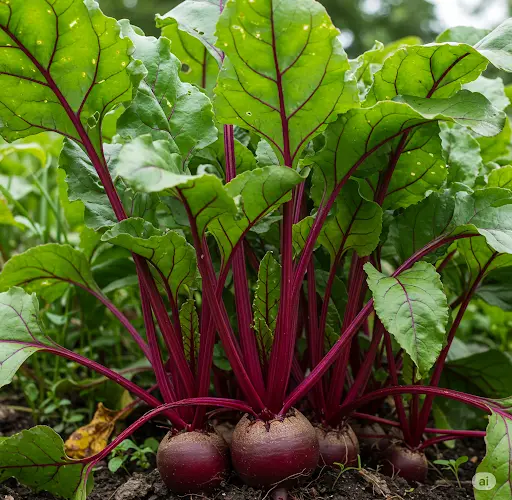
Beets are a favorite among gardeners thanks to their rich flavor, nutritional value, and relatively easy cultivation. But getting a fast, even germination—especially in early spring—can be tricky without the right approach. With a few simple techniques, however, you can get beet seeds to sprout in as little as two days and enjoy a strong, healthy crop.
This article covers the subtle yet effective details of beet sowing, from seed preparation to soil selection and spacing. Whether you’re planting in a raised bed, garden row, or container, these tips will help you achieve quick germination and uniform growth.
Why Beets Sometimes Germinate Slowly
Beet seeds are actually seed clusters. Each “seed” contains several embryos, and the outer shell can be quite hard, especially if the seed is old or has been stored in dry conditions. This toughness often delays germination, especially if the soil is still cool or dry.
To speed things up and ensure a more even sprouting process, it’s important to start with seed preparation and adjust your sowing method accordingly.
Step 1: Preparing Beet Seeds for Rapid Germination
Proper seed preparation can make all the difference. The following soaking method helps soften the seed coat and jumpstart germination:
What You’ll Need:
-
Beet seeds (preferably fresh, from a reliable source)
-
Warm water
-
Small bowl
-
Paper towel or cloth
Instructions:
-
Soak the seeds in warm water (about 30–35°C / 86–95°F) for 12–24 hours. This softens the seed coat and rehydrates the embryos inside.
-
After soaking, drain the seeds and spread them out on a damp paper towel.
-
Fold the towel and place it in a warm spot for 24 hours. This mimics ideal germination conditions and often leads to sprouting within one to two days.
Once you see tiny white sprouts emerging, your beet seeds are ready to go in the ground.
Step 2: Choosing the Right Soil and Site
Beets thrive in loose, well-drained soil with good fertility. Heavy or compacted soils can stunt root development and reduce yield.
Ideal Soil Conditions:
-
Loamy or sandy soil
-
pH between 6.0 and 7.5
-
Well-drained, rich in organic matter
-
Free from stones or clumps, which can deform roots
If your soil is heavy, consider adding compost or sand to loosen it. Avoid fresh manure, as it can encourage excessive leaf growth at the expense of the root.
Step 3: Planting the Seeds
Once your seeds are pre-sprouted and your soil is prepared, it’s time to plant.
Planting Guidelines:
-
Depth: Sow beet seeds about 1 to 2 cm (0.5 to 1 inch) deep.
-
Spacing: Place seeds 5–7 cm (2–3 inches) apart in rows spaced 25–30 cm (10–12 inches) apart.
-
Watering: After sowing, water the soil thoroughly to ensure good contact between the seeds and the soil. Keep the soil moist (not soggy) until germination is complete.
If you’ve pre-sprouted the seeds, handle them carefully so as not to break the delicate roots.
Step 4: Thinning for Better Yields
Since each beet seed cluster can produce 2–3 seedlings, thinning is essential. Once the seedlings are about 5–7 cm tall, thin them to leave only the strongest plant in each group. Final spacing should be about 10 cm (4 inches) between plants to allow room for root development.
Don’t discard the thinned seedlings—use them in salads or sauté them like spinach.
Step 5: Ongoing Care
Beets don’t need a lot of attention, but consistent moisture is key. Uneven watering can lead to woody or cracked roots. Here are a few more tips for healthy growth:
-
Mulch the rows after sprouting to retain moisture and suppress weeds.
-
Avoid nitrogen-heavy fertilizers, which promote leaf growth over root formation.
-
Watch for pests like leaf miners or aphids, and treat them early if they appear.
Conclusion
By soaking and sprouting beet seeds before planting, you can shave days off the germination process and ensure a strong, even crop. Combined with well-prepared soil, proper spacing, and consistent watering, this method helps your beets sprout in as little as two days and grow into healthy, vibrant plants.
These subtle sowing techniques make all the difference for gardeners looking to maximize their beet harvests—faster germination, better root development, and ultimately a more satisfying yield.


