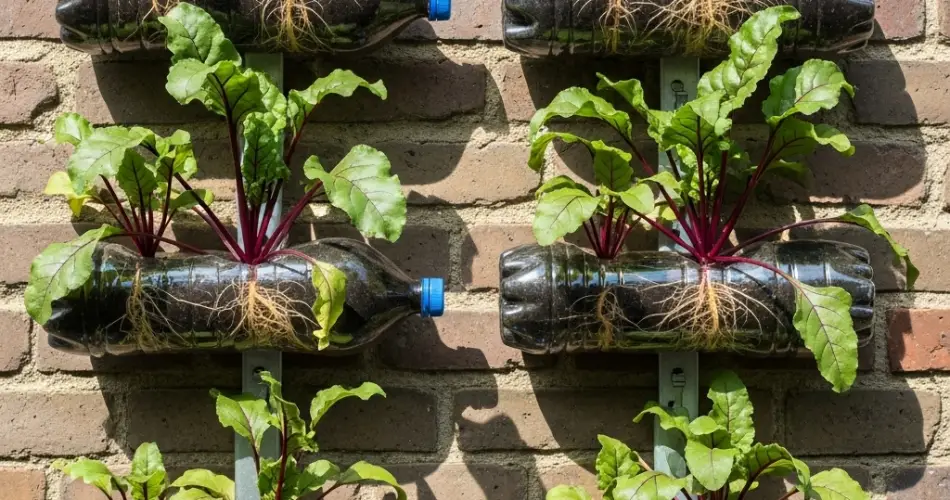
Growing beetroots doesn’t have to require a large garden or raised bed. With a little creativity, you can produce fresh, nutritious beetroots even in the smallest spaces by using recycled plastic bottles mounted vertically on a wall. This innovative approach not only saves space but also gives discarded bottles a new purpose, making it a sustainable and cost-effective gardening solution. Here’s a step-by-step guide to creating your own wall-mounted beetroot garden using plastic bottles.
Why Grow Beetroots Vertically?
Vertical gardening is ideal for those with limited ground space, such as apartment dwellers or homeowners with small backyards. Beetroots thrive in deep, well-drained containers, and a cut plastic bottle can provide the right environment for them to grow. Mounting the bottles on a wall or fence allows you to maximize unused vertical space while keeping plants accessible for watering, pruning, and harvesting.
Aside from saving space, vertical bottle gardening helps reduce pest problems. By elevating your crops, you make it harder for crawling insects to reach them, and the increased air circulation can minimize fungal issues.
Choosing the Right Bottles
For beetroots, it’s important to select bottles that are large enough to allow root development. Two-liter soda bottles are ideal, as they provide both depth and width for the plant to grow comfortably. Clear bottles can be used, but it’s better to choose or paint them in opaque colors to reduce light exposure to the roots, which can inhibit growth.
You will need:
-
Empty plastic bottles (2 liters or larger)
-
A sharp utility knife or scissors
-
A drill or heated nail for making holes
-
String, wire, or screws for mounting
-
Quality potting mix or a compost-soil blend
-
Beetroot seeds or seedlings
Preparing the Bottles
-
Cutting the Planting Pocket
Lay the bottle on its side and cut a rectangular opening along the middle. This will be where your beetroot plant grows. Keep the opening large enough to work with the soil easily but small enough to hold it securely. -
Creating Drainage Holes
On the opposite side of the planting pocket, make several small holes to allow excess water to drain. This step is crucial to prevent root rot, which is especially important when growing root crops like beetroots. -
Mounting the Bottles
There are several ways to mount your bottles on a wall:-
Wire or String: Thread wire or strong cord through holes near the ends of the bottle and hang it on nails or hooks.
-
Screws: Secure the bottles directly to a wooden fence or pallet using screws through the bottle ends.
-
Rack System: Place bottles in a pre-made frame that can hold them in place.
-
Planting Beetroots
-
Filling the Bottles
Use a rich, well-draining growing medium. A mix of garden soil, compost, and sand works well. Beetroots need loose soil to expand their roots without resistance. Avoid compacting the soil too much when filling the bottles. -
Sowing Seeds or Transplanting Seedlings
If sowing seeds directly, place 2–3 seeds about 1–2 cm deep in the center of the bottle opening. If transplanting seedlings, gently ease them into the soil without damaging their delicate roots. -
Spacing and Thinning
Once the seedlings are a few centimeters tall, thin them out so only one strong plant remains per bottle. This ensures each beetroot has enough room to develop fully.
Caring for Wall-Mounted Beetroots
-
Watering: Since bottles are smaller than garden beds, they dry out faster. Check soil moisture daily and water whenever the top layer feels dry.
-
Sunlight: Position your wall so it receives at least 6 hours of direct sunlight daily. Beetroots grow best in full sun but can tolerate partial shade.
-
Fertilizing: Use a balanced liquid fertilizer every two weeks to provide steady nutrients. Too much nitrogen can encourage leafy growth at the expense of the root, so choose a formula balanced in NPK or slightly higher in phosphorus and potassium.
-
Pest Control: Keep an eye out for aphids or leaf miners. Remove affected leaves promptly and consider natural pest deterrents like neem spray if necessary.
Harvesting
Beetroots are generally ready to harvest in 50–70 days, depending on the variety. When the shoulders of the root start to protrude above the soil surface and reach a desirable size (about the size of a golf ball to a tennis ball), they’re ready to pull.
To harvest, gently loosen the soil around the root and pull it out by the base of the greens. Beet greens are edible and nutritious, so don’t discard them—use them in salads, stir-fries, or soups.
Advantages of This Method
-
Space Efficiency: Perfect for balconies, patios, and small yards.
-
Low Cost: Makes use of free, recyclable materials.
-
Sustainability: Reduces plastic waste and promotes eco-friendly gardening.
-
Accessibility: Wall-mounted bottles are easy to maintain without bending or kneeling.
By turning simple plastic bottles into wall-mounted beetroot planters, you can transform an empty vertical space into a productive garden. With just a few basic tools and a bit of creativity, this method allows anyone to enjoy fresh, homegrown beetroots—no matter how small their gardening area.


