Baking soda is one of the most indispensable products to have at home. Its versatility is truly remarkable—it can solve a wide array of problems, including some that might seem impossible. From cleaning stubborn stains to neutralizing odors, baking soda often succeeds where other products fail, reaching places that are otherwise difficult to tackle.
Everyday Uses of Baking Soda
Baking soda is commonly used for a variety of household tasks. It can be used to wash fruits and vegetables, eliminating germs and bacteria. It also works wonders for polishing sinks, stovetops, and other kitchen surfaces. Beyond surface cleaning, baking soda is effective for laundry as well. Whether washing by hand or in a machine, it can brighten colors, remove stains, and neutralize unpleasant odors more efficiently than many commercial detergents. Its versatility and eco-friendliness make it a staple in every home.
Neutralizing Household Odors
One of the most popular uses of baking soda is neutralizing odors around the house. Even a small amount—a tablespoon or a cup—can solve odor problems that often perplex homemakers. One particularly common application is in the refrigerator. Over time, a fridge can accumulate a mix of food smells, from strong cheeses to leftovers. Baking soda’s natural antibacterial, antiseptic, and absorbent properties make it an ideal solution for keeping your fridge fresh and odor-free.
How to Use Baking Soda to Clean the Fridge
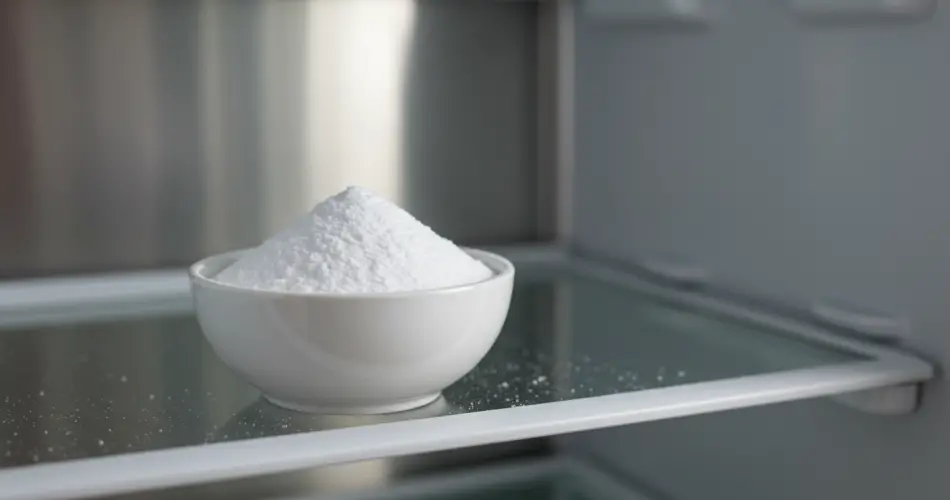
The simplest method involves placing a small bowl of baking soda inside the refrigerator. Replace it every two months to maintain consistent effectiveness. This passive approach helps absorb lingering odors, regardless of their source.
However, simply placing a bowl of baking soda in the fridge isn’t enough to ensure a truly clean environment. The shelves and compartments should also be cleaned regularly. To do this, mix three tablespoons of baking soda in a small amount of warm water. Use this solution to wipe down the shelves, rinse with water, and dry thoroughly with a clean, soft cloth.
For stubborn stains or spills, apply baking soda directly to a dry sponge and scrub gently. This dry scrubbing technique can remove caked-on residue without scratching surfaces.
The reason for cleaning with baking soda is not just cosmetic—it helps prevent bacterial contamination, reducing the risk of foodborne illness. A clean fridge minimizes the growth of bacteria that could otherwise lead to food poisoning.
Combining Baking Soda and Vinegar for Deep Cleaning
For fridges that are particularly dirty or have strong odors, baking soda can be combined with vinegar. Both can be used separately or together to achieve excellent results with minimal effort.
Vinegar is especially useful for neutralizing strong smells, such as those from cheeses or fermented foods. Because vinegar is food-safe, it requires no rinsing afterward, making it highly practical for kitchen use. Unlike chemical cleaning agents, vinegar and baking soda do not leave harmful residues. It’s best to avoid commercial cleaners designed for fridges or ovens, as these often leave soap-like residues that are difficult to rinse completely.
Handling Cheese Odors in the Fridge
Cheese is one of the main culprits behind unpleasant fridge odors. To combat this, vinegar is particularly effective. Simply wipe the area with a cloth dipped in vinegar, or place a small dish with vinegar near the source of the odor. Vinegar evaporates quickly while absorbing and neutralizing smells within minutes, leaving the fridge fresh without any chemical residue.
Proper Storage of Baking Soda
To maximize the effectiveness of baking soda, it’s important to store it correctly. Keep it in its original packaging, protected from sunlight and moisture. Some people mistakenly store baking soda in the fridge to both preserve it and absorb odors. However, this is not recommended. Moisture in the fridge can reduce its effectiveness over time, rendering it useless for cleaning or deodorizing.
Never transfer baking soda to random containers, whether ceramic, plastic, or glass, as this can affect its properties and cause it to absorb unwanted odors. Cardboard is the ideal material for storing baking soda, as it isolates it from external smells. Once opened, ensure the package is tightly sealed to maintain freshness.
To check whether baking soda is still good, simply smell it. If it has absorbed odors or developed clumps due to moisture, it’s time to replace it. Fresh baking soda should remain free-flowing and retain its distinctive, neutral scent.
Additional Household Uses
Beyond fridges and kitchens, baking soda can be applied in numerous areas of the home. Sprinkle it in trash bins to neutralize odors, add it to laundry to brighten whites and remove stains, or use it to clean sinks, tubs, and stovetops. Its gentle abrasiveness makes it safe on most surfaces while being highly effective against grime and residue.
Baking soda is also environmentally friendly and non-toxic, making it suitable for households with children or pets. Unlike harsh chemical cleaners, it is safe to use frequently without risk of harmful side effects.
Conclusion
Baking soda is more than just a cleaning agent—it is a multi-purpose household hero. From neutralizing odors in the fridge to cleaning tough stains and enhancing laundry, its uses are virtually limitless. Proper storage and regular application ensure that this inexpensive, eco-friendly product remains effective, keeping your home clean, fresh, and safe.
Whether you use it alone or in combination with vinegar, baking soda is a reliable, versatile solution that every household should keep on hand. By incorporating it into your routine, you can solve everyday problems efficiently, naturally, and safely, making your home a healthier and fresher environment.