The cutting board is one of the most essential tools in any kitchen. Used daily to chop vegetables, slice meats, and prepare countless recipes, it comes in various shapes, sizes, and materials. While indispensable, cutting boards can easily absorb odors, especially when used with strong-smelling foods like garlic, onions, or certain cheeses. If not properly cleaned and maintained, these lingering smells can make the board unpleasant to use. Fortunately, with a few simple techniques, you can keep your cutting board fresh, hygienic, and long-lasting.
Choosing the Right Cutting Board
Cutting boards are available in multiple materials, each with unique characteristics. Wooden boards are highly popular due to their durability and aesthetic appeal. For example:
-
Oak: A sturdy option ideal for heavy-duty cutting tasks.
-
Poplar: Softer and less durable, best suited for delicate work such as rolling out pasta.
-
Olive wood: Visually striking and aromatic, though often more expensive and requiring careful maintenance.
Plastic and silicone boards are also widely used. Plastic boards offer excellent hygiene and resistance to staining, while silicone boards are flexible, stable, and resistant to wear. Regardless of the material, proper cleaning and maintenance are crucial to prevent odors, stains, and bacterial growth.
Why Cutting Boards Develop Odors
Cutting boards, particularly those made of wood, are porous. This means they can absorb juices from foods like onions, garlic, fish, and certain cheeses. Over time, these residues create unpleasant odors that persist even after regular washing. Wooden boards, while durable and attractive, require special care, as harsh cleaning methods or prolonged exposure to water can damage them.
Cleaning Your Cutting Board Naturally
One of the most effective ways to eliminate odors from a wooden cutting board involves two simple, natural ingredients: salt and lemon. Both are commonly found in kitchens and have natural cleaning properties.
Step-by-Step Guide:
-
Sprinkle coarse salt generously over the entire surface of the cutting board.
-
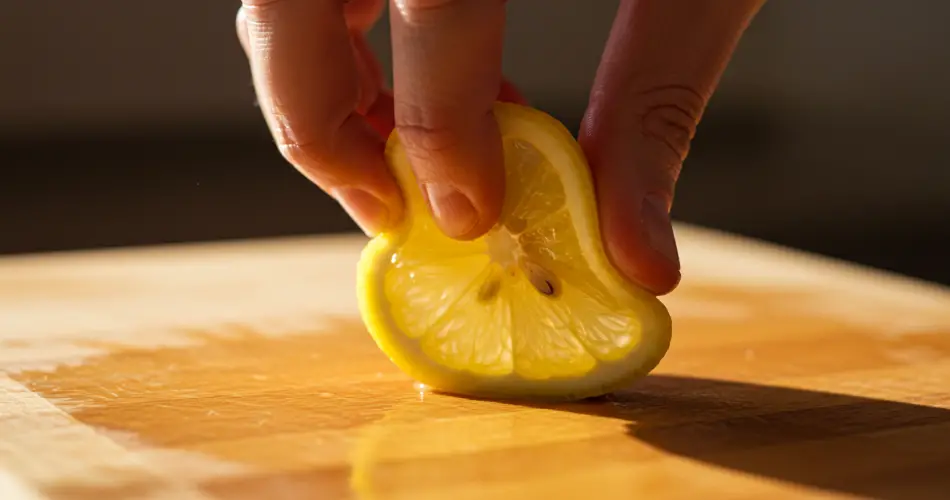
Cut a fresh lemon in half and squeeze some juice directly onto the salted surface.
-
Use the lemon halves to rub the juice into the board, mixing it with the salt. The salt acts as a gentle abrasive to scrub away trapped residues, while the lemon’s citric acid deodorizes and disinfects.
-
Rinse the board under warm water to remove the salt and lemon mixture.
-
Dry thoroughly with a clean towel before storing.
This simple process will remove strong odors and leave the cutting board fresh and ready for use again.
Everyday Cleaning
If your cutting board does not have particularly strong odors, cleaning can be simpler. Use hot water and, if desired, a small amount of mild dish soap, such as Marseille soap, to wash the board. Rinse thoroughly and dry immediately.
Alternatively, a mixture of white vinegar diluted in water works as an excellent natural disinfectant. Vinegar is slightly acidic, helping to remove bacteria and neutralize odors without damaging the board.
Maintaining Your Wooden Cutting Board
Cleaning alone is not enough to keep a wooden cutting board in optimal condition. Proper maintenance is equally important:
-
Avoid prolonged moisture: Never leave the board in a damp environment. After washing, always dry thoroughly.
-
Never soak: Wooden boards should not be submerged in water, as this can warp the wood or encourage bacterial growth. A quick rinse or gentle scrubbing is sufficient.
-
Avoid dishwashers: The high heat and water pressure can damage the wood, causing cracks and shortening the board’s lifespan.
Conditioning Your Cutting Board
To keep a wooden board smooth and prevent cracking, regular oiling is recommended:
-
Ensure the board is completely dry.
-
Apply a small amount of food-safe oil, such as mineral oil, over the entire surface.
-
Rub the oil in using a paper towel, allowing it to penetrate the wood.
-
Wipe off any excess oil with a clean cloth.
This process helps maintain the board’s moisture balance, keeps it from drying out, and adds a layer of protection against stains and odors.
Tips for Hygienic Use
-
Always clean the cutting board immediately after use, especially after handling strong-smelling or raw foods.
-
Consider using separate boards for raw meat and vegetables to prevent cross-contamination.
-
Regularly sanitize with natural ingredients like lemon and vinegar to maintain freshness.
Plastic and Silicone Boards
Plastic and silicone boards are less porous than wood, making them more resistant to stains and odors. They can often be washed with hot water and dish soap, and many are dishwasher safe. However, regular scrubbing is still recommended to prevent bacterial buildup in scratches and grooves.
Conclusion
A cutting board is a cornerstone of kitchen efficiency, but it requires proper care to stay hygienic and odor-free. Wooden boards, in particular, benefit from regular cleaning with natural ingredients like salt and lemon, gentle washing, thorough drying, and occasional oiling. Plastic and silicone boards, while easier to maintain, still require routine cleaning to prevent residue buildup.
By following these tips, you can ensure that your cutting board remains fresh, safe, and visually appealing, making meal preparation a more enjoyable and hygienic experience. With a little care and natural cleaning methods, even the most stubborn odors can be eliminated, keeping your kitchen clean and your cooking tools in excellent condition.