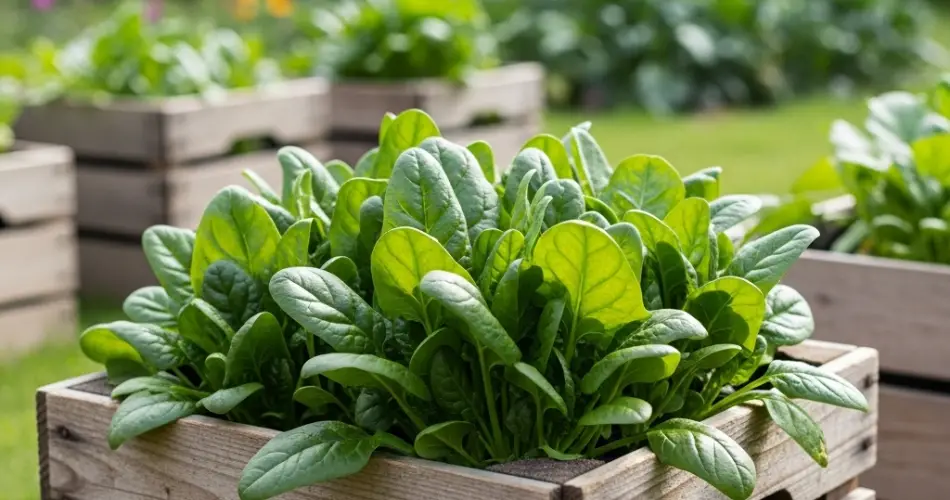
Growing your own spinach at home is not only simple but also incredibly rewarding. Spinach is a nutrient-rich leafy green that thrives in cooler weather, and it doesn’t require a large plot of land. With a few wooden crates and some basic gardening supplies, you can enjoy fresh spinach right from your backyard—even if you’re working with a small space.
DIY wooden crate gardening is a great option for those who want to start a compact, manageable garden. Crates are portable, well-ventilated, and perfect for shallow-rooted vegetables like spinach. Here’s how to set up your own spinach crate garden from scratch.
Why Choose Wooden Crates for Spinach?
Wooden crates offer many advantages for home gardening. They are often free or inexpensive, easy to move, and help keep your planting area tidy and organized. Crates also allow for better soil drainage than plastic containers, reducing the risk of root rot.
For spinach in particular, which prefers well-draining soil and doesn’t like sitting in water, crates are an ideal container. They also give you full control over soil quality and location, making it easier to adjust for sunlight, temperature, and moisture.
Materials You’ll Need
Before you start, gather the following:
-
One or more wooden crates (6–8 inches deep)
-
Landscape fabric, burlap, or an old cloth (to line the crate)
-
High-quality potting mix mixed with compost
-
Spinach seeds or seedlings
-
Watering can with a gentle spray nozzle
-
Trowel or small hand shovel
-
Optional: mulch such as straw or dried leaves
If your crate has large openings between slats, line it with fabric to prevent soil from spilling while still allowing drainage.
Selecting the Right Spinach Variety
Spinach comes in a few different types, each with its own benefits:
-
Savoy: Crinkled leaves, very cold-tolerant.
-
Semi-savoy: Slightly smoother leaves and easier to clean.
-
Flat-leaf: Smooth leaves, ideal for salads and cooking.
Look for fast-maturing or baby spinach varieties if you’re limited on space or want quicker harvests.
Planting Instructions
-
Prepare the Crate: Line the crate with landscape fabric or a similar breathable material. Fill it with potting mix, leaving an inch of space at the top.
-
Sow the Seeds: Spinach seeds should be sown about ½ inch deep and spaced an inch apart. For baby spinach, you can plant them closer together. Lightly pat down the soil and water gently.
-
Position the Crate: Place the crate in a sunny to partially shaded location. Spinach grows well with 4–6 hours of sunlight, but in hot climates, some afternoon shade is beneficial to prevent bolting.
-
Water Regularly: Keep the soil moist but not soggy. Spinach likes consistent moisture, especially during germination.
Crate Care and Maintenance
-
Thinning: Once seedlings are a couple of inches tall, thin them to 3–4 inches apart for optimal leaf growth. The thinnings can be used as baby greens.
-
Feeding: Add compost or an organic liquid fertilizer every couple of weeks to keep the plants vigorous.
-
Mulching: Add a layer of straw or leaves to help retain soil moisture and suppress weeds.
-
Pest Watch: Spinach can attract aphids and leaf miners. Check the undersides of leaves regularly and remove pests manually or spray with a mild soap solution.
Harvesting Spinach
Spinach is a fast-growing green and can be harvested as soon as the leaves are large enough to eat—usually within 4–6 weeks of planting.
-
For baby spinach, cut the outer leaves when they’re about 3–4 inches long.
-
For larger leaves, wait until they reach full size but harvest before the plant bolts (produces a flower stalk), which can make the leaves bitter.
You can either cut individual leaves or harvest the entire plant, depending on your needs and growing schedule.
Regrowing and Successive Planting
To ensure a continuous supply of fresh spinach, consider planting a new crate every two to three weeks during the growing season. This staggered planting method helps you avoid having all your spinach mature at once.
If you harvest only the outer leaves, the plant will continue to produce more for a few weeks. Once the plant bolts, pull it up and replant.
Advantages of Crate Gardening
Crate gardening is not only functional but also attractive. It keeps your garden organized and manageable, especially in limited spaces like balconies, patios, and small backyards.
Plus, crate gardening reduces soil compaction, improves drainage, and makes gardening more accessible—especially for those who can’t kneel or bend over low garden beds.
Final Thoughts
Growing spinach in DIY wooden crates is a sustainable, efficient, and beginner-friendly way to bring fresh greens into your daily meals. Whether you have a small yard or a narrow balcony, crate gardening can help you enjoy the benefits of homegrown produce without needing a traditional garden bed.
Spinach is easy to grow, nutritious, and versatile in the kitchen. So why not give it a try? With just a few simple steps, you’ll be on your way to harvesting your own leafy greens right from your backyard.


