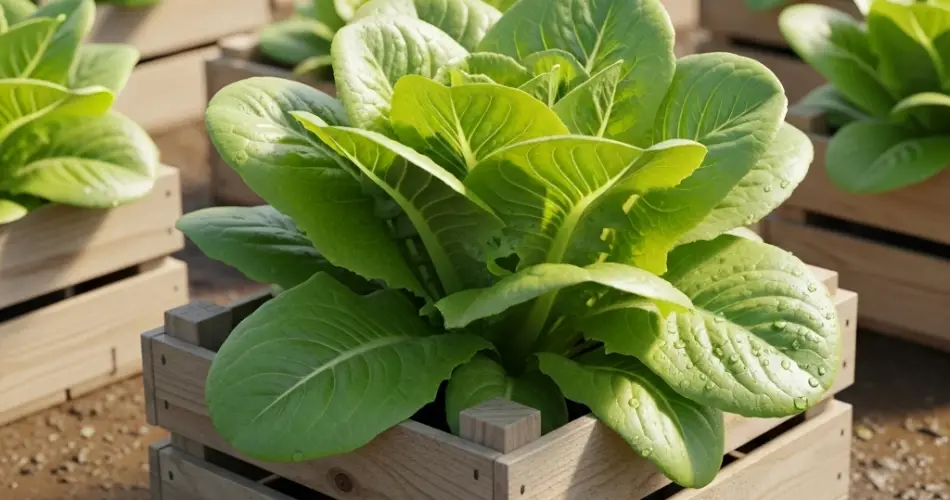
Growing fresh lettuce doesn’t require a large garden or fancy equipment. With just a few repurposed crates, good soil, and a sunny spot in your backyard, you can harvest crisp, healthy greens right outside your door. Lettuce is a cool-weather crop that thrives in shallow containers, making it ideal for growing in wooden boxes or recycled crates. This approach not only saves space but also encourages sustainability by reusing materials you might already have.
Whether you’re planting leafy varieties or compact heads, a backyard crate garden provides a practical, efficient, and eco-friendly way to enjoy fresh salads year-round.
Why Use Crates for Growing Lettuce?
Crates are perfect containers for lettuce. These leafy greens don’t need deep soil, and crates offer good drainage and airflow around the roots. Wooden fruit crates, wine boxes, or even plastic storage bins with holes drilled at the bottom can be transformed into productive mini-gardens. Crate gardening also helps control soil quality, prevents weed growth, and makes harvesting easier since the plants are elevated.
Lettuce is one of the fastest-growing vegetables, and its shallow roots adapt well to container environments. Plus, the visual appeal of lush green leaves spilling out of rustic wooden crates adds charm to any backyard space.
Choosing the Right Crate and Location
Select crates that are at least 6 to 8 inches deep and wide enough to accommodate several lettuce plants. Wooden crates are ideal, especially if they’re untreated and safe for growing food. Be sure to line the inside with breathable fabric like landscape cloth or burlap to prevent soil from falling through the gaps while still allowing for drainage.
Place your crates in a spot that receives at least 4 to 6 hours of sunlight daily. Lettuce prefers cooler temperatures, so some afternoon shade is beneficial, especially during warmer months.
Soil Preparation for Lush Growth
Lettuce grows best in fertile, well-draining soil. Use a mix of high-quality potting soil and compost in equal parts. You can also add some perlite or coconut coir to improve aeration and retain moisture.
Fill the crate nearly to the top, leaving about an inch of space to prevent water from spilling over when watering. Before planting, water the soil thoroughly so it’s moist but not soggy.
Selecting and Planting Lettuce Varieties
There are several lettuce types suited for container growing:
-
Leaf Lettuce (like Red Sails or Green Salad Bowl): Fast-growing and ideal for cut-and-come-again harvesting.
-
Romaine (such as Little Gem): Upright and compact, perfect for crates.
-
Butterhead (like Bibb or Boston): Tender with a sweet flavor.
-
Batavian or Summer Crisp: Tolerates heat better than other types.
Sow seeds directly into the soil or start with seedlings. Plant seeds about ¼ inch deep, spaced 3 to 4 inches apart. If using transplants, space them 6 to 8 inches apart to allow for full growth.
Watering and Light Requirements
Lettuce needs consistently moist soil to grow well, especially in shallow containers that dry out quickly. Water lightly every day or every other day, depending on the weather. Make sure the soil stays damp but not waterlogged.
Too much direct sun during hot weather can cause lettuce to bolt (go to seed) and turn bitter. During summer, provide partial shade using a cloth, umbrella, or by placing crates near taller plants or a wall.
Fertilizing for Leafy Success
Lettuce is a light feeder but benefits from occasional fertilizing. Mix compost into the soil before planting, and apply a diluted liquid organic fertilizer every two to three weeks to encourage lush, green growth. Avoid high-nitrogen synthetic fertilizers, which may lead to excessive leaf production and weak flavor.
Mulching with straw or dry leaves helps retain soil moisture and suppresses weed growth around your lettuce plants.
Pest and Disease Control
While lettuce is relatively pest-resistant, watch for slugs, aphids, and snails. These pests are more common in damp environments. Use crushed eggshells or diatomaceous earth around the base of plants to deter crawling insects. For aphids, a spray of diluted neem oil or soapy water can be effective.
Good air circulation around your crates and proper drainage helps prevent fungal issues like mildew or root rot.
Harvesting Lettuce from Crates
You can begin harvesting baby greens as early as 3 to 4 weeks after planting. Use scissors to snip off outer leaves, allowing the center to keep growing. This “cut-and-come-again” method provides multiple harvests from a single planting.
If you’ve grown head lettuce, wait until it forms a firm core and harvest the entire plant at once by cutting it at the base. Replant new seeds every couple of weeks for a continuous supply of fresh greens.
Extend the Growing Season
To grow lettuce beyond the usual season, consider moving your crates into partial shade during summer or covering them with a cold frame or plastic tunnel in early spring and late fall. Crates are easy to reposition, making it simple to adapt to changing weather.
Fresh Salads from Your Backyard
Growing lettuce in crates is a rewarding and simple way to add fresh greens to your meals. It’s a perfect project for beginner gardeners and a great way to make use of backyard space, no matter how limited. Repurposing crates not only reduces waste but also brings style and functionality to your garden.
With the right setup and a little care, you’ll be enjoying crisp, homegrown lettuce straight from your backyard crates in no time.


