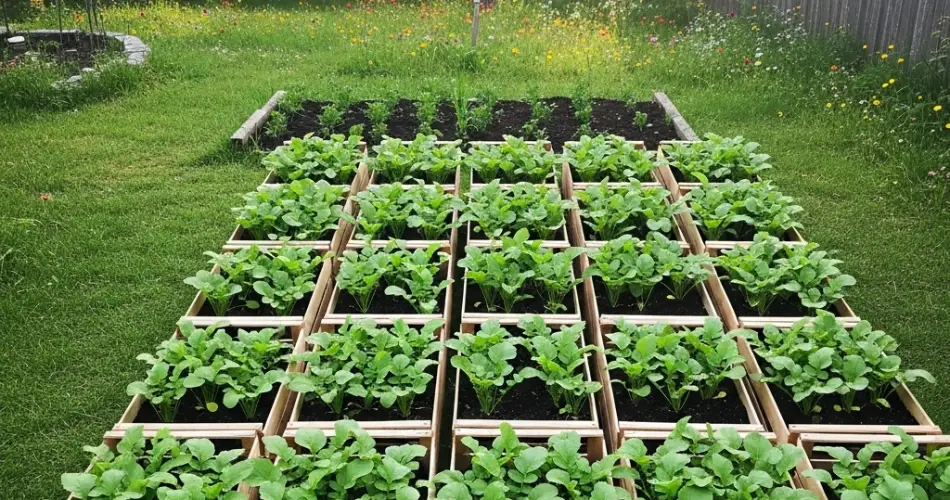
Radishes are one of the fastest and easiest vegetables to grow, making them an excellent choice for beginner gardeners. With their rapid maturity and minimal care requirements, they’re perfect for small-space gardening—especially in DIY crate planters. If you want to grow fresh, crisp radishes in your own backyard, using wooden crates is a smart, efficient, and space-saving method.
Why Grow Radishes in Crates?
Crate gardening gives you complete control over soil quality and drainage. It also reduces weed pressure, improves root aeration, and allows you to manage sun exposure by moving the containers if needed. Radishes thrive in loose, well-drained soil, which crate beds can easily provide.
Growing radishes in crates is especially beneficial if your backyard soil is heavy clay, filled with rocks, or lacks nutrients. It’s also ideal for urban and balcony gardeners with limited space.
Selecting the Right Crate
Start with a wooden crate or recycled wooden box that’s at least 20 cm deep. This depth is sufficient for most radish varieties, which develop shallow roots. Make sure the crate has drainage holes or gaps at the bottom to prevent waterlogging, which can lead to root rot.
Line the inside with landscape fabric, an old sack, or a breathable cloth to hold the soil in place while still allowing water to drain. Elevate the crate on bricks or wooden slats to ensure good airflow underneath.
Preparing the Soil
Radishes prefer nutrient-rich, well-aerated soil. For the best results, mix:
-
1 part garden soil
-
1 part compost or aged manure
-
1 part coco peat, rice hulls, or sand
This blend ensures that the soil remains loose and drains well—important for the development of healthy, smooth radish roots. Avoid compacted soil, as it can lead to misshapen radishes.
Add a small handful of wood ash or crushed eggshells to the mix. These boost potassium and calcium levels, which support root growth and help prevent splitting.
Choosing Radish Varieties
Several radish varieties grow well in containers:
-
Cherry Belle: A round, red radish that matures in 22–25 days.
-
French Breakfast: Oblong and mildly spicy, ready in about 25–30 days.
-
White Icicle: A longer, white variety that stays crisp even in warmer weather.
-
Daikon: A larger type that requires deeper containers but still does well in crates.
Choose quick-maturing types for consistent harvests throughout the season.
Sowing the Seeds
Sow radish seeds directly into the crate, as they don’t transplant well. Plant seeds about 1–1.5 cm deep and 2–3 cm apart in rows. Leave about 10–15 cm between rows to allow airflow and easy maintenance.
After sowing, water the soil gently to settle it. Keep the surface consistently moist during germination, which usually occurs within 3–7 days.
Sunlight and Watering Needs
Radishes grow best with 5–6 hours of sunlight per day. They tolerate partial shade but perform best in full morning sun. Position your crate accordingly, and if possible, rotate it every few days to ensure even light exposure.
Water consistently to keep the soil evenly moist, but not soggy. Uneven watering can lead to cracked or pithy roots. Early morning watering is ideal, allowing foliage to dry during the day and reducing fungal risks.
Thinning the Seedlings
Once seedlings are about 5 cm tall, thin them to 5 cm apart. This ensures that each plant has enough space to form a healthy, full-sized root. Use the thinned sprouts in salads or sandwiches—they’re packed with nutrients and flavor.
Fertilizing and Care
Radishes don’t require heavy feeding. Compost-rich soil usually provides all the nutrients they need. If you wish to boost growth, use a diluted compost tea or an organic liquid fertilizer every two weeks.
Avoid fertilizers high in nitrogen, which promote leafy growth rather than root development.
Mulch lightly with dry leaves or straw to retain moisture and prevent weed growth. Regularly check for pests like flea beetles or aphids. Neem oil spray or soapy water can help manage small infestations.
Harvesting Radishes
Most radish varieties mature in just 3–4 weeks. You’ll know they’re ready when the top of the root starts to push above the soil line. Harvest promptly for the best texture and flavor—overripe radishes can become woody or overly spicy.
To harvest, gently pull the root by grasping the base of the leaves. Brush off excess soil and rinse before storing. Radishes can be refrigerated for up to a week, but are best enjoyed fresh.
Don’t forget the greens! Radish leaves are edible and can be sautéed, added to soups, or used in pesto.
Replanting for Continuous Harvest
Radishes are ideal for succession planting. As soon as you harvest one batch, re-sow seeds in the same crate. By planting every 7–10 days, you can maintain a steady supply throughout the growing season.
Rotate with leafy greens like lettuce or arugula between radish plantings to give the soil a break and keep your garden productive.
Growing radishes in crates is a rewarding way to enjoy crisp, homegrown vegetables without needing a full garden plot. With their rapid growth and low maintenance, radishes are the perfect addition to any backyard crate garden. Whether you’re a beginner or a seasoned grower, crate-grown radishes bring fast results and fresh flavor straight to your table.


