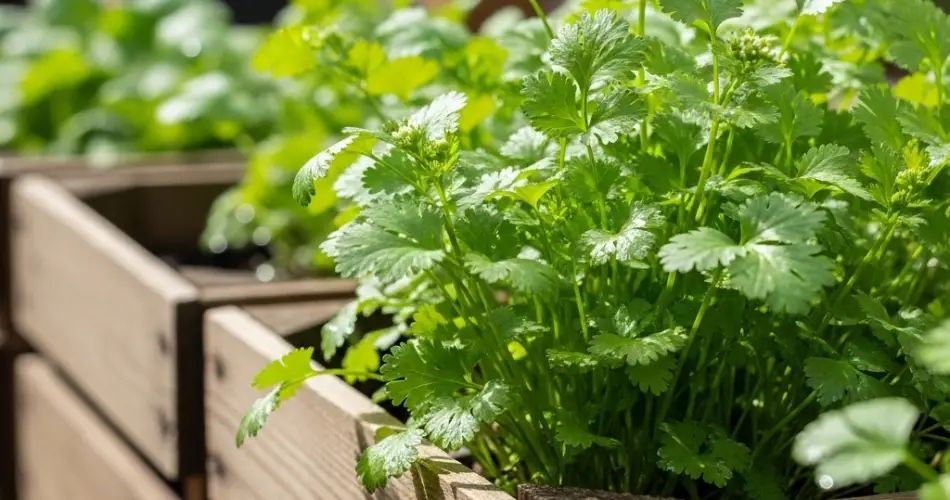
Cilantro, also known as coriander, is one of the most versatile and widely used herbs in cooking. Its fresh, citrusy flavor adds a unique touch to salsas, soups, salads, and curries, making it a must-have in any herb garden. While many gardeners grow cilantro directly in the ground or in pots, crate gardening has emerged as a convenient and eco-friendly method that works especially well for small spaces. By using wooden crates, you can grow healthy cilantro plants in your backyard, balcony, or even patio, while keeping the process sustainable and visually appealing.
Why Grow Cilantro in Crates?
Wooden crates offer several advantages when it comes to growing herbs like cilantro:
-
Mobility: Crates can be moved around to capture better sunlight or to protect plants from harsh weather.
-
Drainage: With proper lining and soil mix, crates provide excellent drainage, preventing root rot.
-
Sustainability: Repurposing old fruit or wine crates reduces waste and adds a rustic, natural touch to your garden.
-
Space Efficiency: Crates fit perfectly in compact areas such as patios, balconies, or small backyards.
For cilantro, which grows quickly and benefits from well-draining soil, a crate is a near-perfect growing container.
Materials You’ll Need
To set up a cilantro crate garden, gather the following supplies:
-
A sturdy wooden crate (at least 8–10 inches deep)
-
Landscape fabric or burlap for lining
-
Organic potting soil
-
Compost or aged manure
-
Cilantro seeds (or young seedlings if you prefer)
-
Watering can or spray bottle
Optional: A small trowel and gloves for planting and maintenance.
Preparing the Crate
-
Select a suitable crate – Choose one that is deep enough to allow cilantro’s roots to grow comfortably.
-
Line the crate – Use burlap or landscape fabric to hold the soil in place while allowing excess water to drain.
-
Ensure drainage – If the crate has a solid bottom, drill a few small holes. Proper drainage is key to preventing soggy soil.
-
Fill with soil mix – Combine potting soil with compost to create a nutrient-rich, well-draining growing medium.
Planting Cilantro
Cilantro grows best from seed, as it doesn’t transplant well due to its sensitive taproot. Follow these steps for planting:
-
Sow seeds directly – Scatter cilantro seeds evenly across the soil surface. For more controlled planting, sow them about 1/4 inch deep, spacing them 2 inches apart.
-
Thin seedlings – Once seedlings sprout, thin them so that plants are spaced about 4–6 inches apart. This gives each plant enough room to grow.
-
Water gently – Keep the soil moist but not waterlogged, especially during germination.
If you prefer seedlings, plant them carefully without disturbing their roots too much.
Growing Conditions
Cilantro thrives under specific conditions, and crate gardening allows you to control them more easily.
-
Sunlight: Cilantro prefers cool weather and partial sun, especially in hot climates. In warm areas, place the crate where it gets morning sun and afternoon shade.
-
Watering: Keep soil consistently moist but avoid overwatering. Using a spray bottle can help prevent soil compaction.
-
Temperature: Ideal growing temperatures are between 50–80°F (10–27°C). Cilantro tends to bolt (flower and go to seed) quickly in hot weather, so cooler conditions are better for leafy growth.
-
Soil: Well-draining soil enriched with compost is essential for steady growth.
Ongoing Care
Maintaining cilantro in a crate garden is simple, but a few practices will help keep your plants healthy and productive.
-
Harvest regularly: Pick leaves frequently to encourage new growth and delay bolting. Snip leaves from the outside of the plant, allowing the center to keep producing.
-
Succession planting: To ensure a continuous harvest, sow new seeds every 2–3 weeks. This way, as one batch bolts, another is ready to harvest.
-
Fertilizing: A light application of organic fertilizer every few weeks can boost growth, but avoid over-fertilizing as this may reduce flavor intensity.
-
Pest control: Cilantro is relatively pest-resistant but keep an eye out for aphids and leaf miners. Neem oil or a gentle soap spray can help if needed.
Harvesting Cilantro
You can start harvesting cilantro leaves once the plant reaches 4–6 inches tall. The more you harvest, the more it will grow back, at least until it bolts.
If the plant begins to flower, you can let it go to seed. Cilantro’s seeds are coriander, another widely used spice. Collect them by cutting the seed heads, drying them in a paper bag, and storing them in airtight containers for culinary use.
Benefits of Growing Cilantro in Crates
-
Fresh supply of flavorful leaves right at home.
-
Dual-purpose harvest: enjoy both cilantro leaves and coriander seeds.
-
Easy mobility to adjust light and temperature conditions.
-
Rustic and sustainable gardening method using repurposed materials.
-
Suitable for small spaces, making it ideal for urban gardeners.
Conclusion
Cilantro is a rewarding herb to grow, providing both fresh leaves and flavorful seeds for your kitchen. Using wooden crates as growing containers adds an element of sustainability and style while also giving you more control over soil, drainage, and sunlight. With just a little care and attention, you can enjoy a steady supply of cilantro right from your backyard or balcony. Whether you love making salsas, curries, or refreshing salads, having fresh cilantro at your fingertips will elevate your cooking while enhancing your gardening experience.


