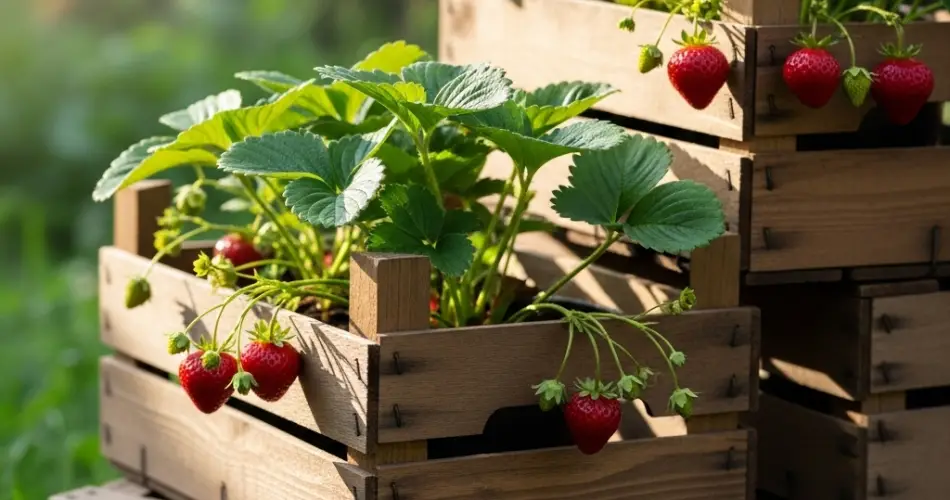
Fresh, homegrown berries are one of the sweetest rewards a gardener can enjoy. Whether you prefer strawberries, blueberries, or raspberries, cultivating them in wooden crates offers a charming and practical alternative to traditional garden beds. Crate gardening saves space, improves soil control, and makes harvesting more convenient. Best of all, it’s an approachable project for gardeners of all skill levels.
This guide will walk you through the entire process — from choosing the right berries and preparing the crates to planting, caring for, and harvesting your backyard bounty.
Why Grow Berries in Wooden Crates?
Crate gardening has several advantages for berry growers:
-
Space efficiency – Perfect for patios, balconies, and small backyards.
-
Improved soil conditions – You can create the ideal mix for your berries’ needs.
-
Better drainage – Prevents root rot and soggy soil conditions.
-
Portability – Move crates to follow sunlight or protect plants from frost.
-
Rustic aesthetics – Adds a decorative touch to your outdoor space.
With these benefits, crates make it easier to keep berry plants healthy and productive without the challenges of in-ground gardening.
Choosing the Right Berries
Different berries have different growing requirements, so choose varieties suited to your climate and crate setup.
-
Strawberries – Excellent for crates due to their shallow roots. Choose everbearing or day-neutral varieties for a longer harvest season.
-
Blueberries – Require acidic soil (pH 4.5–5.5) and benefit from large, deep crates for their root systems.
-
Raspberries and blackberries – Need more space and depth but can still thrive in crates with proper support.
Selecting and Preparing the Crates
Choose sturdy wooden crates at least 12–18 inches deep for strawberries and deeper (up to 24 inches) for blueberries or brambles. Avoid chemically treated wood to prevent contamination.
Line the inside with landscape fabric or burlap to keep soil from spilling out while allowing excess water to drain. Drill additional drainage holes in the bottom if needed.
Soil Preparation
The right soil mix is critical for berry success. Since crates give you full control, you can create a blend tailored to your chosen berry:
-
Strawberries – Mix equal parts garden soil, compost, and coarse sand or perlite for drainage.
-
Blueberries – Combine peat moss, pine bark, and sand to maintain acidity.
-
Raspberries – Use compost-rich loam with added organic matter to support vigorous growth.
Before planting, fill the crate to about 2 inches from the top, gently firming the soil but keeping it loose enough for root penetration.
Planting Berries in Crates
Strawberries – Plant 8–10 inches apart, with crowns just above soil level.
Blueberries – Space plants at least 18 inches apart; plant slightly deeper than they were in their nursery pots.
Raspberries – Space canes 18–24 inches apart and provide a stake or small trellis for support.
Water thoroughly after planting to help roots settle.
Watering and Moisture Control
Crates dry out faster than in-ground beds, so consistent watering is essential. Keep soil evenly moist, especially during flowering and fruiting.
-
Check soil daily in hot weather.
-
Water at the base to avoid wetting leaves, reducing fungal risks.
-
Add mulch (straw, shredded leaves, or bark) to retain moisture and suppress weeds.
Sunlight and Placement
Berries need at least 6–8 hours of direct sunlight daily. Position crates where they’ll receive ample sun but can be moved if needed for shade during extreme heat. For balconies or patios, rotate crates every few days to ensure even light exposure.
Feeding Your Berry Plants
Since crate soil can lose nutrients quickly, regular feeding is important:
-
Strawberries – Apply a balanced, slow-release fertilizer at planting, then side-dress with compost mid-season.
-
Blueberries – Feed with an acid-loving plant fertilizer in early spring and again after harvest.
-
Raspberries – Use a compost-rich mulch in spring and a potassium-rich feed before flowering.
Pest and Disease Management
Wooden crates can reduce some soil-borne pests, but berries are still attractive to insects and birds:
-
Birds – Protect ripening fruit with netting.
-
Aphids and mites – Spray with insecticidal soap if infestations occur.
-
Slugs – Keep mulch dry and remove hiding spots.
Ensure good airflow between plants to prevent mildew and fungal diseases.
Harvesting Your Berries
-
Strawberries – Pick when fully red and glossy, preferably in the morning.
-
Blueberries – Wait until berries are deep blue and detach easily.
-
Raspberries – Harvest when plump and pulling away from the stem with a gentle tug.
Regular picking encourages more fruit production and prevents spoilage.
End-of-Season Care
Once your harvest is complete, remove old plant debris and refresh the soil with compost. For perennials like blueberries and raspberries, prune dead or weak canes and protect plants from winter cold by moving crates to a sheltered location or adding insulating mulch.
Final Thoughts
Growing berries in wooden crates is an enjoyable and efficient way to produce fresh fruit, even in limited spaces. By choosing the right varieties, preparing nutrient-rich soil, and providing consistent care, you can enjoy sweet, homegrown berries season after season. Not only will you have delicious fruit at your fingertips, but your garden will also gain a rustic, decorative touch that makes the process even more rewarding.


