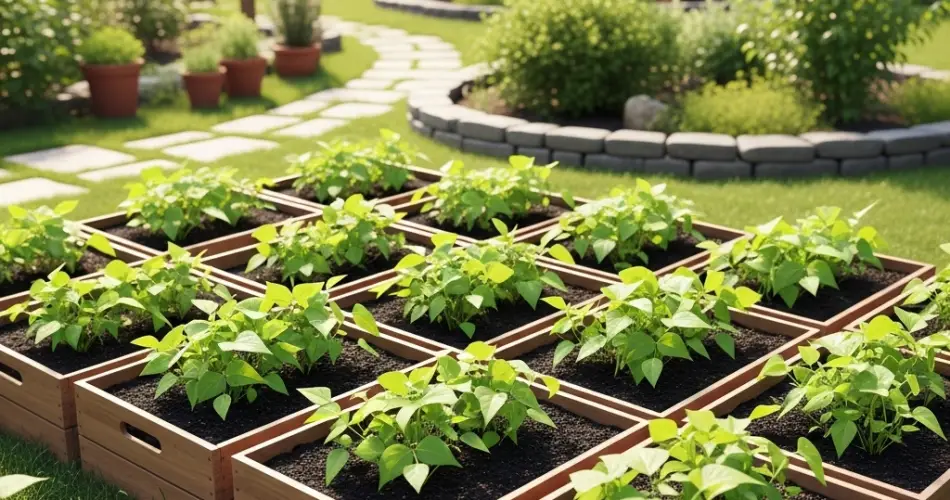
Beans are one of the easiest and most productive vegetables to grow at home. Whether you prefer bush beans or pole beans, these versatile plants can thrive even in small spaces—especially when grown in wooden crates. Crate gardening is a simple and efficient way to enjoy fresh beans straight from your backyard, patio, or balcony.
With just a few materials and a little effort, you can transform basic wooden crates into productive bean beds. Here’s a step-by-step guide on how to grow beans in crates, from setup to harvest.
Why Grow Beans in Wooden Crates?
Wooden crates are an ideal container for growing beans due to their size, drainage capabilities, and portability. This gardening method allows you to:
-
Grow food in tight spaces
-
Control soil quality and drainage
-
Easily move your plants for better sunlight
-
Keep your garden tidy and elevated
Beans, especially bush varieties, don’t require deep soil, making them a perfect match for crate gardening. Pole beans, on the other hand, need vertical support but are equally well-suited for crate beds when properly staked.
Choosing and Preparing Your Crate
Start with a wooden crate that is at least 10–12 inches deep. Ensure the wood is untreated, as chemicals in treated lumber can leach into the soil. If your crate doesn’t already have drainage gaps, drill several holes at the bottom.
Line the interior with landscape fabric, an old rice sack, or burlap. This keeps the soil in place while allowing water to drain out freely. Once lined, place the crate in a sunny spot where it will receive 6–8 hours of sunlight each day.
Soil Mix for Healthy Bean Growth
Beans prefer loose, well-draining soil rich in organic matter. A light, fertile mix will encourage healthy root development and high yields. A good crate soil mix includes:
-
40% compost or aged manure
-
30% loamy garden soil
-
30% cocopeat or perlite for moisture control and drainage
Beans don’t require heavily fertilized soil, as they naturally fix nitrogen, enriching the soil over time. However, starting with a compost-rich mix gives them a strong foundation.
Choosing the Right Bean Variety
There are two main types of beans suitable for crate gardening:
-
Bush beans – Compact and self-supporting, perfect for small crates.
-
Pole beans – Vining and require support, but yield heavily in vertical space.
Popular varieties include:
-
Green beans (snap beans) – Crisp and tender, great for fresh eating or cooking.
-
Yellow wax beans – Sweet and mild, ideal for salads and pickling.
-
Purple beans – Eye-catching and flavorful, turn green when cooked.
Choose a variety that matches your taste and available space. For crate gardening, bush beans are the easiest to manage, but pole beans maximize vertical space with a simple trellis.
Planting Beans in Crates
Beans grow best when sown directly into the crate rather than transplanted. Wait until temperatures consistently stay above 15°C (59°F) before planting.
To plant:
-
Make shallow holes about 1 inch deep.
-
Space bush bean seeds 4–6 inches apart.
-
For pole beans, plant seeds around the edge of the crate and insert a trellis, bamboo poles, or a wire frame in the center for climbing support.
-
Cover seeds lightly with soil and water gently.
Beans typically germinate within 7–10 days.
Watering and Sunlight Needs
Beans need consistent moisture, especially during flowering and pod development. Water deeply 2–3 times per week, depending on weather and crate location. Avoid watering the foliage to reduce the risk of fungal diseases.
Position your crate where the plants will receive full sun—ideally at least 6 hours per day. If growing pole beans, rotate the crate occasionally to ensure even light distribution.
Fertilizing and Maintenance
Because beans are nitrogen-fixing plants, they don’t require much additional feeding. However, a monthly dose of compost tea or a diluted organic fertilizer can support flowering and fruiting.
Mulch the soil with dried leaves, straw, or rice hulls to retain moisture, suppress weeds, and maintain even soil temperatures.
Regularly check your plants and remove weeds that may compete for nutrients. For pole beans, guide the vines up their supports as they grow.
Pests and Problems
Beans are generally low-maintenance but may encounter common garden pests such as:
-
Aphids
-
Spider mites
-
Bean beetles
-
Cutworms
Use natural pest control methods like neem oil spray, garlic-chili solution, or hand-picking to keep infestations in check. Avoid overcrowding and ensure proper airflow to prevent mold or mildew.
Harvesting Your Beans
Bush beans are usually ready for harvest about 50–60 days after planting, while pole beans may take a bit longer. Pick beans when they are firm, crisp, and about the thickness of a pencil.
Harvest regularly to encourage the plant to produce more pods. Don’t wait too long—overripe beans become tough and stringy.
To harvest:
-
Hold the stem with one hand and gently snap the pod off with the other.
-
Use scissors if pods are firmly attached to avoid damaging the plant.
Final Tips for Success
-
Stagger plantings every 2–3 weeks to enjoy a continuous harvest.
-
Rotate crops to avoid soil-borne diseases if reusing the crate next season.
-
Interplant with herbs like basil or dill to deter pests naturally.
Growing beans in wooden crates is a smart, space-saving way to enjoy fresh vegetables from your backyard. Whether you choose bush or pole varieties, crate beds make it easy to grow flavorful, juicy beans at home—with little more than sun, water, and care.


