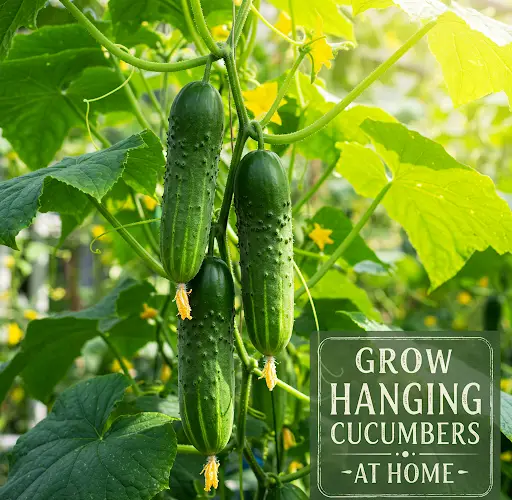
Awesome Ways to Grow Hanging Cucumbers & Tips for Maximizing Fruit Production
Cucumbers are a staple in many gardens, providing fresh and crunchy vegetables for salads, pickling, and more. Growing cucumbers in a hanging fashion not only saves space but also helps prevent pests and diseases while improving air circulation. If you want to grow cucumbers with an abundance of fruits, follow these expert tips and techniques for maximizing production.
Why Grow Cucumbers in a Hanging Fashion?
Growing cucumbers vertically or in hanging baskets comes with multiple benefits, including:
- Space-saving: Ideal for small gardens, patios, or balconies.
- Better air circulation: Reduces the risk of fungal diseases like powdery mildew.
- Less pest infestation: Keeping vines off the ground reduces exposure to soil-borne pests.
- Easier harvesting: Fruits are more visible and accessible.
- Healthier and cleaner produce: Hanging cucumbers remain dirt-free and develop straighter shapes.
Best Varieties for Hanging Cucumbers
Not all cucumber varieties are suitable for hanging growth. Choose these varieties for the best results:
- ‘Burpless’ Cucumbers: Smooth and easy to digest, great for fresh eating.
- ‘Patio Snacker’: A compact variety perfect for containers and hanging baskets.
- ‘Spacemaster 80’: Specially bred for small spaces and hanging growth.
- ‘Bush Slicer’: A bushy variety that produces well in vertical settings.
- ‘Miniature White’: Small yet prolific, perfect for hanging cultivation.
How to Grow Hanging Cucumbers
1. Choosing the Right Container or Basket
- Use a sturdy hanging basket or pot at least 12-14 inches deep and wide.
- Ensure the container has drainage holes to prevent waterlogging.
- A strong support structure is necessary to hold the weight of the growing vines and fruits.
2. Selecting the Best Soil Mix
- Use a lightweight yet nutrient-rich potting mix with good drainage.
- A mix of peat moss, compost, perlite, and vermiculite works best.
- Avoid heavy garden soil, which can compact and hinder root growth.
3. Planting Cucumber Seeds or Seedlings
- Start seeds indoors 2-3 weeks before the last frost date or sow them directly in the hanging basket after frost.
- Plant 2-3 seeds per container, thinning to the strongest plant once they sprout.
- Transplant seedlings carefully to avoid damaging roots.
4. Providing Optimal Light and Temperature
- Cucumbers require 6-8 hours of direct sunlight daily.
- Keep temperatures between 70-85°F (21-29°C) for optimal growth.
- Protect plants from strong winds or excessive heat, which can stress the vines.
5. Watering and Fertilizing
- Consistent watering is key—keep the soil evenly moist but not soggy.
- Water in the morning to reduce evaporation and prevent fungal issues.
- Use a balanced liquid fertilizer (10-10-10) every 2 weeks.
- Supplement with compost tea or fish emulsion for organic nutrition.
6. Training and Supporting the Vines
- Guide vines downward or along a trellis attached to the hanging basket.
- Use soft ties or clips to direct growth without damaging the plant.
- Regular pruning encourages airflow and fruit development.
Tips for Maximizing Cucumber Production
1. Promote Pollination
- Cucumbers require pollination for fruiting. Encourage bees and butterflies by planting companion flowers nearby.
- Hand-pollinate by using a small paintbrush to transfer pollen from male to female flowers.
2. Regular Pruning and Maintenance
- Remove yellowing leaves and dead stems to direct energy to fruit production.
- Trim excessive side shoots to promote healthier vines.
- Remove misshapen or undersized cucumbers to allow better fruiting.
3. Companion Planting for Better Growth
- Grow cucumbers with basil, dill, marigolds, or nasturtiums to deter pests and improve growth.
- Avoid planting near potatoes or melons, as they compete for nutrients.
4. Protecting Against Pests and Diseases
- Aphids, spider mites, and cucumber beetles are common pests. Use neem oil or insecticidal soap to control them.
- Prevent fungal diseases by avoiding overhead watering and ensuring good airflow.
- Rotate crops each season to prevent soil-borne diseases from building up.
5. Harvesting for Continuous Yield
- Pick cucumbers regularly when they reach 6-8 inches to encourage more fruiting.
- Use sharp scissors or pruning shears to cut cucumbers instead of pulling them off.
- Harvesting in the morning preserves crispness and freshness.
Final Thoughts
Growing hanging cucumbers is a fantastic way to maximize garden space while ensuring a healthy and abundant harvest. With proper care, the right variety selection, and essential growing techniques, you can enjoy a continuous supply of fresh cucumbers throughout the season. Whether you’re growing them on a balcony, patio, or garden trellis, following these expert tips will help you achieve the best results. Happy gardening!


